
Memia 2026.20
publishedThe billable hour is dead. Long live the billable token.
20 May 2026• 150 signals
The billable hour is dead. Long live the billable token.
20 May 2026• 150 signals
Anthropic's Mythos Preview and OpenAI's GPT-5.5-Cyber have turbocharged both sides of the cybersecurity war. Mythos can chain low-severity bugs into working exploits, discovered vulnerabilities in every major OS and browser, and helped researchers crack macOS security — while the UK's AI Safety Institute reports autonomous AI cyber capability is doubling every few months. The practical fallout is already here: AI-assisted attackers compromised a Mexican water utility's OT environment using Claude as their primary technical executor, a self-propagating worm hit 172 npm packages with valid cryptographic provenance, and three major Linux kernel flaws were found in a fortnight. The vulnerability-to-exploit window has collapsed from over two years in 2018 to hours today, prompting warnings of an "AI bugocalypse." Yet access to these defensive tools remains starkly uneven. Only ~40 organisations have Mythos access, leaving most central banks, governments, and smaller businesses exposed — a gap the IMF warns could elevate cyber risk to "macro-financial shock" territory. Anthropic is now briefing the Financial Stability Board and loosening partner sharing restrictions, while Linus Torvalds complains that duplicate AI-generated bug reports are making Linux's security list "unmanageable." As Bruce Schneier notes, the same pattern-matching capabilities will soon find exploitable loopholes in tax codes, environmental regulations, and any complex rule system — and unlike software, those systems take years, not days, to patch. The short-term outlook favours attackers; the long game may favour defenders, but only if security investment keeps pace with capability proliferation.
13 sources · View on Substack




OpenAI has unveiled **Daybreak**, a comprehensive cybersecurity platform that pairs GPT-5.5 models with its Codex Security agentic harness to help defenders find, patch, and verify vulnerabilities across codebases at scale. The initiative positions itself as a direct competitor to Anthropic's Mythos and Project Glasswing, signalling a genuine AI-powered cybersecurity arms race between the two frontier labs. Where Mythos focuses on detecting and mitigating high-severity vulnerabilities after the fact, Daybreak's philosophy is to bake resilience into software from the very start — shifting security left into the development loop with automated threat modelling, patch generation, and isolated validation environments. Daybreak offers three tiers of model access: standard GPT-5.5 for general use, a **Trusted Access for Cyber** variant with tuned safeguards for defensive workflows like malware analysis and detection engineering, and the most permissive **GPT-5.5-Cyber** for authorised red teaming and penetration testing. Cloudflare CTO Dane Knecht praised the platform's potential to bring "stronger reasoning and more agentic execution" into security operations. The strategic significance here is clear: as AI capabilities grow, so does the attack surface — and OpenAI is betting that the best counter is putting frontier intelligence directly into defenders' hands, with proportional safeguards to prevent misuse. Iterative deployment with industry and government partners is already underway.
2 sources · View on Substack

 IEEE Spectrum·7 May 2026·Recursive Self-Improvement Edges Closer In AI Labs - IEEE Spectrum - Recursive self improvement drives AI systems that write code, design chips, and refine research. But key parts of the loop remain human-controlled.

 TechXplore·18 May 2026·Urban drone grid could cut congestion and improve safety in Dubai skies - Drones are becoming increasingly common in densely populated urban centers, supporting applications ranging from parcel delivery to surveillance. However, their growing presence has introduced significant challenges related to safety, congestion, and coordination in low-altitude airspace.
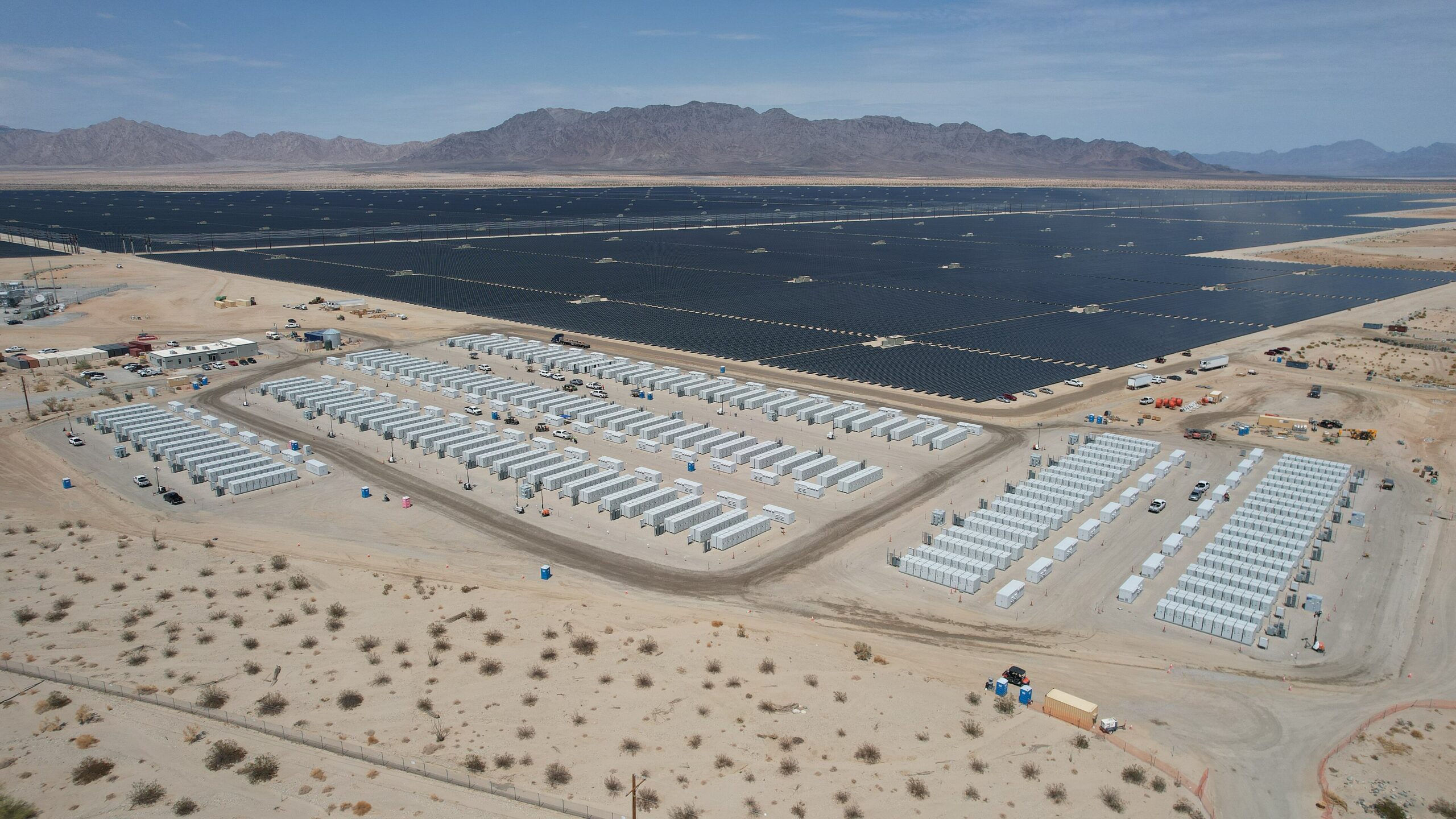

IEEE Spectrum·6 May 2026·InchFab’s Mini Fabs Cut Costs for Custom Chips - IEEE Spectrum - InchFab makes compact fabs that let universities and startups run real chip lines, turning microfabrication frustration into bold hardware innovation.
Starting 15 June, Anthropic will carve out a dedicated "programmatic credit pool" from its Claude subscriptions, separating agentic tool use — via its Agent SDK, GitHub Actions, and third-party frameworks like OpenClaw — from standard chat limits. Pro subscribers (US$20/month) get US$20 in credits; Max 20x users get US$200. Once credits are exhausted, usage shifts to metered API-style billing. The change follows Anthropic's April decision to cut off third-party agent frameworks from subscription access entirely, citing unsustainable compute demand from always-on autonomous workloads. Developers are divided. Power users argue the credits won't survive a single day of serious agentic work, effectively downgrading what had been a key Claude advantage. Engineers like Broadcom's Advait Patel warn that enterprises will need to treat AI agent spend like cloud infrastructure — with budget alerts, token-cost tracking, and hard limits — rather than a predictable software subscription. Meanwhile, analysts at Greyhound Research see this as an industry-wide inevitability: GitHub is moving Copilot to credits, OpenAI already meters API usage, and Fireworks AI is experimenting with hybrid models. As Doozer AI's Paul Chada put it, the subsidy era was simply hiding which developers were building efficient agents and which weren't. Over the next 12–24 months, expect every major AI vendor to introduce separate consumption pools for agentic workloads — the vocabulary will differ, but the direction won't.
2 sources · View on Substack

Iran has signalled it may impose transit fees on undersea fibre-optic cables passing through the Strait of Hormuz — a move that, while legally dubious under international maritime law, underscores a growing and uncomfortable truth: more than 95% of international data traffic flows through a surprisingly fragile network of roughly 500 submarine cables, many bundled through narrow maritime chokepoints. Iranian state-linked media floated the proposal alongside pointed reminders that these cables are physically vulnerable to sabotage via combat divers, small submarines, or proxy forces — a threat given credibility by the 2024 Red Sea incident where Houthi action severed three cables and disrupted 25% of Europe-Asia internet traffic. The implications extend well beyond regional connectivity. Financial markets, military command-and-control systems, cloud services, and SWIFT banking transactions all depend on these seabed arteries. As one analysis argues, the same rent-extraction logic applies whether it's a state actor threatening physical cables or tech giants like Google and Apple unilaterally deciding which devices pass their authentication layers — whoever controls the chokepoint extracts the toll. For countries like Aotearoa New Zealand, whose Southern Cross cables don't traverse Hormuz, the risk is indirect but real: global networks are, well, global. The seabed has quietly become a frontline of geopolitical competition, and the governance frameworks meant to protect it — from UNCLOS to antitrust regulation — are struggling to keep pace.
3 sources · View on Substack
Hangzhou-based Unitree has unveiled the GD01, a pilotable mecha robot that looks like it walked straight off the set of *Transformers*. Weighing around 500 kg with a pilot aboard and standing roughly 1.6 times the height of an average adult, the machine can walk bipedally, smash through brick walls, and reconfigure into a quadruped crawling mode within seconds — all while carrying a human operator in its torso-mounted cockpit. Priced from 3.9 million yuan (approximately US$574,000), it's positioned as a "transformable civilian vehicle," though WIRED notes it seems more geared towards destruction and publicity than practical utility. The GD01 represents a dramatic expansion for a company already dominating the global humanoid robot market. Chinese firms accounted for nearly 90% of humanoid robot sales in 2025, with Unitree alone shipping over 5,500 units compared to roughly 150 each from US competitors like Tesla, Figure AI, and Agility Robotics. Unitree's cost advantage — its entry-level humanoid starts at around US$6,000 versus Tesla's projected US$20,000–30,000 for Optimus — stems from deep integration with China's hardware supply chain. With an IPO planned on Shanghai's STAR Market targeting 4.2 billion yuan in fundraising (85% earmarked for R&D), Unitree is clearly betting that the future of robotics belongs to companies that can ship at scale and capture imaginations simultaneously.
2 sources · View on Substack
A nine-person jury in Oakland, California took just two hours to unanimously dismiss Elon Musk's lawsuit against OpenAI, Sam Altman, and Microsoft — finding his claims fell outside the statute of limitations. Musk had sought US$134 billion in damages, the removal of Altman and president Greg Brockman, and a reversal of OpenAI's conversion from nonprofit to for-profit. The jury concluded Musk was aware of OpenAI's restructuring plans well before 2022, when he claimed to have first learned of them. Judge Yvonne Gonzalez Rogers immediately affirmed the verdict, noting there was "a substantial amount of evidence" supporting the jury's findings. Musk has vowed to appeal to the Ninth Circuit. While the verdict is a clear legal win for OpenAI — removing a major obstacle to its planned IPO at a reported US$852 billion valuation — the month-long trial left no one looking particularly good. Internal communications revealed Brockman musing about reaching US$1 billion personally, Altman being described as "not consistently candid" by former colleagues, and Musk himself pushing for personal control over AGI development while publicly championing openness. As *The Verge* noted, the proceedings demonstrated that many of the people steering the AI industry's future appear "temperamentally incapable of dealing with each other honestly" — a troubling reality given public trust in AI is already at historic lows, with nearly 60% of US adults feeling they have little control over how AI shapes their lives.
3 sources · View on Substack
An international research team led by Trinity College Dublin's AI Accountability Lab has systematically mapped how major AI companies influence policy and regulation — and the tactics look strikingly familiar. Analysing 100 news articles around four critical AI governance events between 2023 and 2025 (including the EU AI Act trilogues and global AI summits in the UK, South Korea, and France), the researchers identified 249 instances fitting 27 established patterns of "corporate capture." The most prevalent tactics were **narrative capture** — pushing lines like "regulation stifles innovation" and framing oversight as "red tape" — and **elusion of law**, involving contentious interpretations of antitrust, privacy, copyright, and labour regulations. The study, set to be presented at ACM FAccT '26 in June, also documents revolving-door hiring between government and industry, significant political donations, and retaliation against whistleblowers and researchers. Drawing explicit parallels with Big Tobacco, Big Pharma, and Big Oil, the researchers call for binding conflict-of-interest rules, greater public investment in civil society oversight, and coalition-building strategies borrowed from climate justice advocacy. As Dr Zeerak Talat from the University of Edinburgh noted, while a causal link between corporate capture and democratic erosion can't yet be proven, the correlation is hard to ignore.
2 sources


 Arstechnica·16 May 2026·The US is betting on AI to catch insider trading in prediction markets - The Commodity Futures Trading Commission wants us to know it's taking this very seriously.

 The Verge·14 May 2026·Linux devs are fighting the new age-gated internet | The Verge - Operating system-level age verification laws could force age-gating onto Linux — but these developers are pushing to keep open-source open to all.


Arstechnica·14 May 2026·Judge probes whether Musk settlement with Trump admin is tainted by corruption - Ars Technica - Trump admin wants to let Musk pay $1.5M fine to settle $150 million Twitter suit.


The Verge·16 May 2026·Snap, YouTube, and TikTok settle suit over harm to students | The Verge - Snap, YouTube, and TikTok have settled with the first of 1,200 school districts that have filed suit, claiming social media addiction is harming students.


 Financial Times·15 May 2026·Australian law firms are taking a lead on navigating best use of AI - Leaders are focusing on how their business models will change. Plus: the top 30 innovative law firms ranked

OpenAI and the Maltese government have struck a first-of-its-kind national partnership, offering all ~575,000 citizens and residents free access to ChatGPT Plus for one year. There's a catch — but a sensible one: applicants must first complete "AI for All", a free online course developed by the University of Malta that covers what AI is, its limitations, and responsible use. The programme is managed by the Malta Digital Innovation Authority, with the first phase launching in May 2026 and plans to scale as more people complete the training. The initiative sits within OpenAI's broader "OpenAI for Countries" programme, headed by former UK Chancellor George Osborne, which tailors AI adoption strategies to national priorities. Malta joins a growing list of government-AI partnerships — Anthropic gave Icelandic teachers access to Claude, OpenAI partnered with Greece on secondary education, and the UK signed an MoU with Anthropic for public services. Malta's deal is notably the most ambitious, extending beyond education to the entire population. Strategically, this signals a shift toward treating AI access as something closer to a public utility — a framing OpenAI is explicitly pushing. For a small island nation keen to punch above its weight in digital innovation (much as it did with blockchain regulation), the programme is a calculated bet that AI literacy paired with hands-on access will drive economic competitiveness. Whether other, larger nations follow Malta's lead will be the real test of this model's scalability.
3 sources


 Rest of World·18 May 2026·The Filipino virtual assistants running LinkedIn engagement networks - Rest of World - For $7 an hour, virtual assistants in the Philippines post and comment on LinkedIn on behalf of Western executives, often engaging with each other to drive visibility.
NV Energy, the Nevada-based utility supplying 75% of power to California's Lake Tahoe region through local provider Liberty Utilities, has announced it will cut off supply by May 2027 — leaving 49,000 residents scrambling for electricity. The primary driver: a dozen data centre projects in northern Nevada projected to add 5,900 megawatts of new demand by 2033, fuelled by AI infrastructure buildouts from Apple, Google, and Microsoft. NV Energy disputes that data centres are the sole reason, pointing to a long-running transition since selling its California assets in 2009, but its own planning documents tell a compelling story about where priorities now lie. Liberty Utilities must now find a replacement energy supplier that meets California's renewable energy mandates — a task complicated by the fact that its grid sits entirely on Nevada transmission infrastructure. A new US$4.2 billion transmission line, Greenlink West, could open access to more suppliers, but its completion timeline aligns uncomfortably close to the May 2027 deadline. The situation exemplifies a growing national tension: a March 2026 Gallup poll found seven in ten Americans oppose AI data centres in their communities, and nearly half of data centre projects face delays or moratoriums. Lake Tahoe may be an early canary in the coal mine for communities forced to compete directly with Big Tech for basic energy access.
2 sources
A new Gallup survey reveals that 70% of Americans oppose AI data centre construction in their local area — a remarkable figure that surpasses even peak opposition to nuclear power plants, which has never exceeded 63% since Gallup began tracking it in 2001. The survey, based on responses from over 3,000 adults in March and April 2026, found that half of opponents cited resource consumption — particularly water and electricity — as their primary concern. A separate Pew Research survey corroborated these findings, with 43% of Americans viewing data centres as a "major reason" for rising power bills. The opposition spans the political spectrum, with Democrats (75%), independents (74%), and Republicans (63%) all broadly against local construction. Quality-of-life concerns, pollution, cost-of-living impacts, and general distrust of AI round out the objections. For the 27% who support data centres, job creation is the dominant draw — a rationale echoed by Maine Governor Janet Mills when she vetoed a moratorium on new construction. But the gap between promised economic benefits and lived experience is fuelling regulatory fights, packed public hearings, and local moratoriums across the US. When communities would literally prefer a nuclear reactor next door, the AI infrastructure buildout faces a serious social licence problem that no amount of tax incentive promises may easily resolve.
2 sources
An audit by Ontario's Auditor General has exposed serious accuracy failures across all 20 government-approved AI medical scribe systems, tools increasingly used by overworked doctors to automatically transcribe patient consultations into structured clinical notes. Of the systems evaluated using simulated doctor-patient recordings, 12 out of 20 (60%) inserted incorrect drug information into patient notes, 9 fabricated details like nonexistent referrals or test results, and 17 missed key mental health details discussed during consultations. The average accuracy score was just 12 out of 20. Perhaps most damning is how these systems got approved in the first place. The evaluation framework weighted "domestic presence in Ontario" at 30% of the total score, while actual medical note accuracy counted for just 4% — meaning a vendor could score zero on accuracy and still qualify. Bias controls and privacy safeguards were similarly marginalised at 2% each. Ontario's Health Ministry noted that over 5,000 physicians are currently using these tools with no reported patient harms, though the absence of mandatory review attestation features means errors could easily slip into permanent health records undetected. The findings underscore a growing tension in healthcare AI adoption: the pressure to deploy efficiency-boosting tools is outpacing the rigour needed to ensure they don't cause harm.
2 sources

 New Atlas·18 May 2026·AI holograms are changing airport navigation - Discover how AI holograms like Bridget at LaGuardia are revolutionizing airport navigation with conversational guidance and step-by-step directions.


 TechCrunch·12 May 2026·Android adds a feature to stop you from doomscrolling | TechCrunch - Google’s new Android feature, Pause Point, forces you to wait before opening distracting apps in an effort to curb addictive scrolling habits.

Financial Times·12 May 2026·CME plans to launch futures market for AI computing power - New contracts will allow traders and companies to bet on and hedge future price of GPU rental



Financial Times·18 May 2026·Standard Chartered to cut 15% of back-office jobs as AI use escalates - Bill Winters’ new strategy aims to ‘drive sustainable growth’ at Asia-focused lender


 Interesting Engineering·18 May 2026·Living near a data center in Phoenix? Your neighborhood may be getting hotter - Researchers directly measured air temperatures around Phoenix-area data centers and found waste heat can raise temperatures in nearby neighborhoods by as much as 4°F.

TechXplore·18 May 2026·Data centers are driving up power bills—a new study looks at how bad it could get - New research suggests electricity demand from data centers and cryptocurrency mining is likely to increase power costs in some parts of the country by up to 57% by 2030, with a national average increase of 6%-29%. Electricity demand related to data centers is also likely to increase CO2 emissions by up to 28% by 2030, relative to a future with no data center growth, according to the analysis from North Carolina State University, Carnegie Mellon University, the University of Pittsburgh and the University of Toronto. The paper, "Power System Costs and Emissions from Data Center and Cryptocurrency Mining Expansion in the United States," is published in the journal Environmental Research Letters.

 Gizmodo·17 May 2026·An Experiment Put LLMs in Charge of Radio Stations. You'll Never Guess How It Went - Let DJ Claude cook.

Financial Times·15 May 2026·Big Tech groups launch global borrowing spree to fund AI expansion - US tech giants including Alphabet and Amazon are tapping foreign debt market at an unprecedented rate

TechXplore·17 May 2026·Big risks and rewards in upcoming IPOs at SpaceX, OpenAI, Anthropic - Wall Street is licking its chops over an unprecedented slate of massive IPOs set to arrive in the coming months, beginning with Elon Musk's SpaceX in June.

 Reuters·18 May 2026·Nvidia CEO says he believes China market will open over time | Reuters - Nvidia CEO Jensen Huang said on Monday that he believes China's market will open up to U.S. chip suppliers after accompanying U.S. President Donald Trump on a trip to China last week.

OpenAI is actively exploring legal action against Apple over their 2024 deal to integrate ChatGPT into the iPhone, with the AI company alleging Apple deliberately buried the integration and failed to invest meaningful resources into the partnership. When the deal was struck, Apple reportedly compared it to its lucrative Google Search arrangement in Safari — a comparison that excited OpenAI into expecting billions in subscription revenue. Instead, OpenAI claims Apple's design choices, such as requiring users to explicitly invoke "ChatGPT" when using Siri and displaying results in easily-ignored small windows, ensured the integration flopped. "They basically said, 'OpenAI needs to take a leap of faith and trust us,'" one OpenAI executive told Bloomberg. "It didn't work out well." The fallout runs both ways. Apple was reportedly rankled by OpenAI hiring former design chief Jony Ive to build a potential iPhone competitor, and has since pivoted to partnering with Google's Gemini to power Apple Intelligence — a move widely seen as a rebuke. Adding a layer of absurdity, Elon Musk's antitrust lawsuit alleging Apple-OpenAI collusion to dominate their respective markets now looks increasingly untenable as the partnership crumbles. A judge has ordered Apple to produce internal documents from SVP Craig Federighi about the deal's formation, potentially exposing how it all came together. Apple's WWDC announcements in June, expected to include a revamped Siri, could yet resolve tensions — but this saga underscores how Apple's iron grip on its ecosystem makes it a treacherous partner for even the most powerful software companies.
3 sources





TechCrunch·13 May 2026·Anthropic now has more business customers than OpenAI, according to Ramp data | TechCrunch - A survey compiled from fintech firm Ramp’s clients’ expense data shows 34.4% of participating businesses are paying for Anthropic services, more than any other AI lab, while only 32.3% pay for OpenAI.



Anthropic has acquired Stainless, the New York-based SDK toolmaker founded by ex-Stripe engineer Alex Rattray, for a reported US$300M+. The move is less about adding capability and more about *removing* it from competitors. Stainless automated the creation and maintenance of SDKs — the libraries developers use to connect to APIs — and counted OpenAI, Google, Cloudflare, Runway, and Replicate among its customers. Anthropic is winding down all hosted Stainless products for external users, effectively pulling a shared dependency out from under its rivals in one stroke. The strategic logic maps directly onto the shift from chatbot-era AI to agentic AI. Agents are only as useful as the systems they can reach, and SDKs are the connective tissue. Combined with Anthropic's Model Context Protocol (now under the Linux Foundation) and three other acquisitions in six months — Bun, Vercept, and Coefficient Bio — this signals a deliberate platform play. At a reported US$30 billion annualised revenue run rate, Anthropic isn't filling gaps; it's setting terms. Both sources agree on the significance but note the open question: SDK generation is reproducible, and well-resourced competitors now have every incentive to rebuild fast. The moat may prove temporary, but the direction is unmistakable — the AI wars are moving down the stack, and infrastructure control is becoming the real battleground.
2 sources

Financial Times·19 May 2026·Google makes chip push with Blackstone-backed AI cloud group - Investment of $5bn by private capital group set to help bring 500MW of data centre capacity online next year

Financial Times·19 May 2026·Google to release smart glasses and add AI ‘agents’ to search engine - CEO Sundar Pichai says features powered by new Gemini model will close gap with Anthropic and OpenAI



 The Guardian·12 May 2026·Head of Microsoft’s Israel branch to step down after inquiry into dealings with Israeli military | Microsoft | The Guardian - The inquiry came after the Guardian revealed Israel used company technology to support mass surveillance of Palestinian phone calls


The Verge·14 May 2026·Microsoft starts canceling Claude Code licenses | The Verge - Thousands of Microsoft developers will use GitHub Copilot CLI instead

The Verge·14 May 2026·Leaked images show Microsoft’s new Xbox Cloud Gaming controller | The Verge - A Brazilian regulator has published photos of an unreleased Xbox controller.


Arstechnica·12 May 2026·Amazon employees are "tokenmaxxing" due to pressure to use AI tools - Ars Technica - Workers are using an internal AI tool to automate non-essential tasks.



Cerebras Systems exploded onto the Nasdaq in May 2026, pricing its IPO at US$185 per share, raising US$5.55 billion, and watching shares nearly double on opening day to push its market cap past US$100 billion. The company — once dismissed as a quixotic Nvidia challenger — was valued at just US$8.1 billion less than a year ago. Its secret weapon: the Wafer-Scale Engine, a single processor the size of a dinner plate containing 4 trillion transistors, purpose-built for the AI inference workloads that now dominate industry demand. A US$20 billion deal with OpenAI (including co-designed hardware for Codex Spark) and a landmark AWS partnership to deploy Cerebras chips inside Amazon's data centres transformed the company's commercial profile virtually overnight. Beneath the euphoria, significant risks remain. UAE-linked entities G42 and MBZUAI still accounted for 86% of 2025 revenue, and the OpenAI relationship — while transformative — comes with exclusivity provisions, a US$1 billion loan with clawback terms, and warrants worth potentially US$11.7 billion in near-free shares. Operating losses widened to US$146 million on US$510 million in revenue, gross margins are compressing as Cerebras pivots from hardware sales to capital-intensive cloud inference, and the company depends entirely on TSMC for fabrication with no long-term supply agreement. Still, with Nvidia's US$20 billion Groq acquisition confirming that fast inference is the new battleground, Cerebras has positioned itself at the centre of AI's next infrastructure wave — if it can build data centres fast enough to meet demand.
3 sources

Rest of World·12 May 2026·TSMC fuels the global economy and China knows it - Rest of World - A serious interruption of TSMC semiconductor exports would devastate the global economy, warns author Eyck Freymann ahead of the Xi-Trump summit in Beijing.
Figure AI has crossed a significant threshold in humanoid robotics: its Helix-02-powered robots aren't just performing impressive demos anymore — they're working genuine industrial shifts. The company initially announced its humanoid robots could autonomously handle full 8-hour work shifts, then promptly blew past that target when three robots (affectionately dubbed Bob, Frank, and Gary by livestream viewers) ran continuously for over 24 hours without a single failure, sorting more than 28,000 packages at near-human speed. The robots operate entirely on Helix-02, a unified neural network that fuses vision, tactile sensing, and whole-body control into a single onboard system — replacing over 109,000 lines of hand-engineered C++ with learned behaviour trained on 1,000+ hours of human motion data. What makes this particularly notable is the self-maintaining fleet capability: if a robot encounters a hardware or software issue, it autonomously leaves the floor while another seamlessly takes over. This builds on Figure AI's earlier deployments at BMW's Spartanburg plant in South Carolina, where robots reportedly helped move over 90,000 parts. The company is now in a direct race with Tesla, Agility Robotics, and Apptronik to commercialise general-purpose humanoid labour — and these endurance demonstrations suggest Figure AI is making a serious bid to prove that humanoid robots aren't just technically feasible, but operationally reliable at industrial scale.
2 sources


 SiliconANGLE·12 May 2026·SAP recasts Joule as the front door to autonomous enterprise AI - SiliconANGLE - SAP recasts Joule as the front door to autonomous enterprise AI - SiliconANGLE

SiliconANGLE·13 May 2026·Anduril doubles valuation to $61B in new $5B funding round - SiliconANGLE - Anduril doubles valuation to $61B in new $5B funding round - SiliconANGLE

Reuters·15 May 2026·China's SMIC says foreign clients shifting orders back to China | Reuters - China's top contract chipmaker, Semiconductor Manufacturing International Corp , on Friday said orders from overseas clients are increasing as the global artificial intelligence boom tightens capacity at foreign foundries.

TechCrunch·14 May 2026·Lovable just backed a company that's looking to bring vibe coding to hardware | TechCrunch - Hardware company Atech raised $800,000 in pre-seed funding, including from a16z’s scout fund, Sequoia Scout Fund, and Nordic Makers.
OpenAI is making its boldest play yet into personal data territory, launching ChatGPT personal finance tools that let users connect their bank accounts, investment portfolios, and credit cards directly to the chatbot via Plaid. Initially available to US-based Pro subscribers (US$200/month), the feature surfaces a dashboard showing spending history, subscriptions, portfolio performance, and upcoming payments — then layers on GPT-5.5's reasoning capabilities to answer questions like "can I afford a house in five years?" The launch follows OpenAI's April acquisition of personal finance startup Hiro's team and builds on the same trust-intensive playbook as January's ChatGPT Health launch. The tension here is palpable. TechCrunch frames this as a natural evolution — over 200 million users already ask ChatGPT finance questions monthly — while The Verge strikes a notably sceptical tone, questioning what OpenAI (a company that "eventually needs to turn a profit") will do with granular financial data beyond model training, and flagging the 30-day data deletion window after disconnection. Users can opt out of training data contributions and delete "financial memories," but OpenAI hasn't detailed additional protections against breaches. With Intuit integration planned next (enabling tax impact analysis), OpenAI is positioning ChatGPT as an all-in-one financial copilot — a compelling proposition if the trust equation holds, and a significant liability if it doesn't.
2 sources · View on Substack


 AI Coding, Open Source and Uncompromised·Introducing Cline SDK: the upgraded agent runtime, and we rebuilt Cline upon it - Cline Blog - 0:00
/0:41
1×
Before “agents” became a buzzword, Cline was the first real agentic coding experience. Cline started with the VSCode extension and helped a generation of developers step into AI coding. It was a great VS Code extension, but as the technology evolves, it also taught us something uncomfortable: the architecture that got us there was not the modular and extensible framework we would choose for what comes next.
It was definitely the cost of b
AI Coding, Open Source and Uncompromised·Introducing Cline SDK: the upgraded agent runtime, and we rebuilt Cline upon it - Cline Blog - 0:00
/0:41
1×
Before “agents” became a buzzword, Cline was the first real agentic coding experience. Cline started with the VSCode extension and helped a generation of developers step into AI coding. It was a great VS Code extension, but as the technology evolves, it also taught us something uncomfortable: the architecture that got us there was not the modular and extensible framework we would choose for what comes next.
It was definitely the cost of b
 GitHub·cline/cline: Autonomous coding agent as an SDK, IDE extension, or CLI assistant. - Autonomous coding agent as an SDK, IDE extension, or CLI assistant. - cline/cline

A landmark audit published in *The Lancet* and detailed in a companion arXiv preprint has quantified what many researchers feared: AI-generated fake citations are now embedded across scientific literature at an alarming scale. Researchers examined 111 million references from 2.5 million biomedical papers hosted on arXiv, bioRxiv, SSRN, and PubMed Central, estimating that **146,900 hallucinated citations** appeared in 2025 alone — a sharp surge from mid-2024 onward, closely tracking the adoption curve of ChatGPT, Gemini, and similar LLMs. These weren't concentrated in a few rogue papers; they were scattered across many publications, each containing a small number of fabricated references, suggesting widespread but uncritical AI use rather than deliberate fraud. The findings carry uncomfortable implications beyond simple error rates. Early-career scientists and small teams were the most likely offenders, with some seeing roughly 3× productivity gains post-AI — raising questions about whether speed is being traded for rigour. Hallucinated references also disproportionately credited already-prominent male scholars, meaning LLM biases may be actively reinforcing existing inequalities in scientific recognition. Perhaps most concerning, existing guardrails are failing: even arXiv's moderation let an estimated 78.8% of non-existent citations through. As scientific evidence increasingly informs policy and public health decisions, the integrity of the citation graph isn't just an academic concern — it's infrastructure. Journals, preprint servers, and funding bodies now face urgent pressure to deploy automated verification tools before the rot compounds further.
2 sources · View on Substack

TechXplore·18 May 2026·You can persuade AI models to accept falsehoods as truth, study shows - When you ask a large language model a question, the reply may include falsehoods, and if you challenge those statements with facts, the AI may still uphold the reply as true. That's what my research group found when we asked five leading models to describe scenes in movies or novels that don't actually exist.


The Verge·15 May 2026·Andon Labs’ AI radio stations show why Grok and Gemini can’t be trusted | The Verge - Andon Labs told four AI models to run profitable radio stations. Instead, Gemini got morbid, Claude turned revolutionary, and Grok had a nervous breakdown.


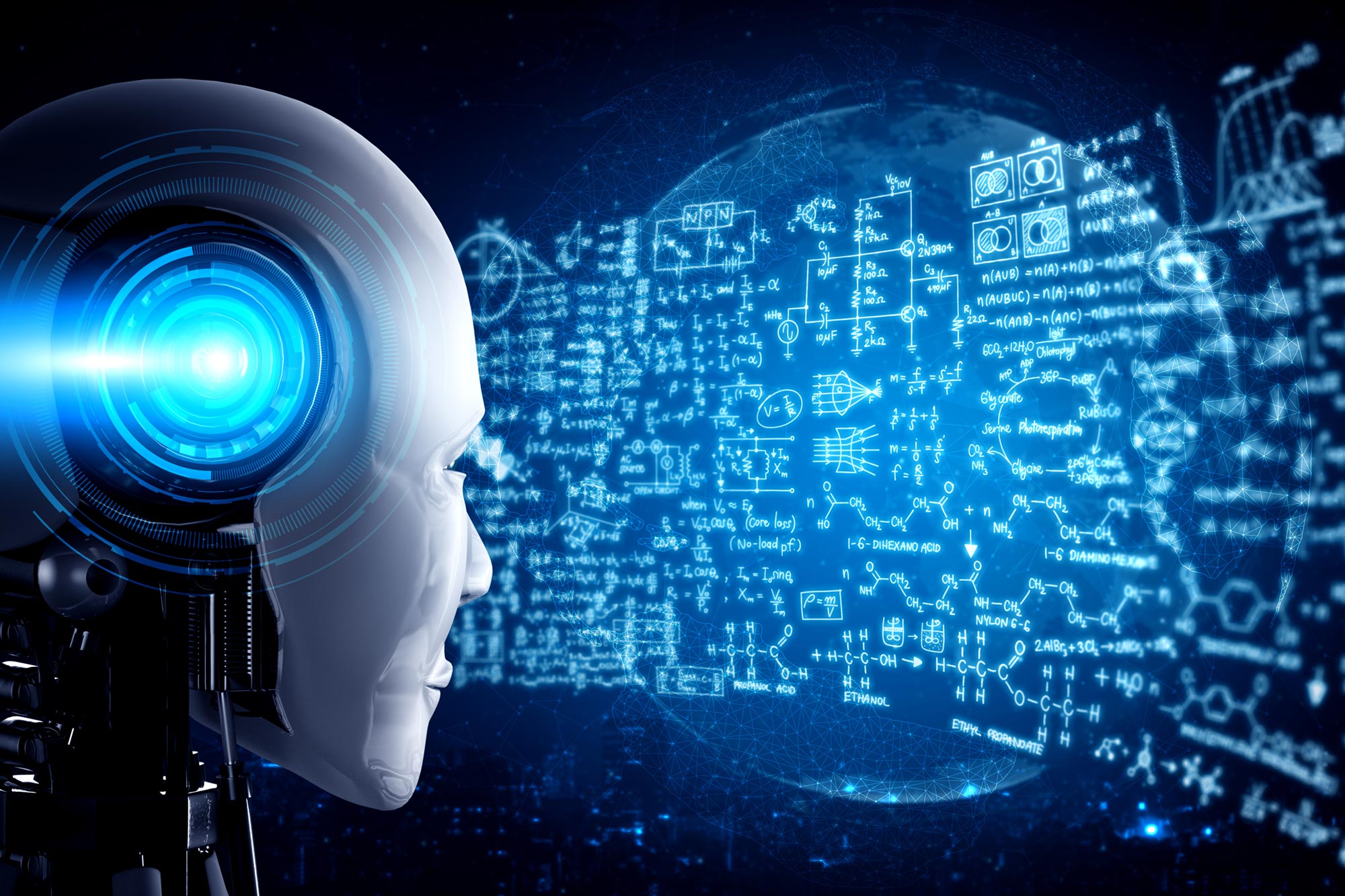
 SciTechDaily·12 May 2026·AI Learns To Work Backward and Reveal Hidden Forces in Nature - A new AI breakthrough helps scientists uncover the hidden forces shaping the world around us.
Google has officially unveiled **Googlebooks**, a new laptop platform running a long-rumoured Android-ChromeOS fusion OS (codenamed Aluminium, though the final branding remains under wraps). Announced at the Android Show, the devices will ship later this year from Acer, Asus, Dell, HP, and Lenovo — though Google shared no specs, pricing, or confirmed first-party hardware. The signature design element across all models will be a "Glowbar" — an illuminated strip on the lid reminiscent of older Pixel devices. The centrepiece is deep **Gemini AI integration**, headlined by "Magic Pointer" — wiggle your cursor and it enters an AI mode offering contextual suggestions based on whatever's on screen. Google is calling this the biggest evolution of the mouse since right-click, though sources note the comparison to Microsoft's troubled Recall feature and the underwhelming track record of Magic Cue on Pixel phones. Googlebooks will also run Android apps natively via the Play Store and can stream apps directly from a connected Android phone — a clear play at Apple's iPhone-Mac continuity. While Google insists Chromebooks aren't dead (existing devices retain their 10-year update commitments), the writing is on the wall. This is Google's most ambitious attempt to compete with Windows and macOS as a full PC platform, not just a browser in a laptop shell. Whether the AI-heavy pitch translates into genuine utility — or becomes another layer of features users ignore — remains the critical open question heading into launch.
3 sources
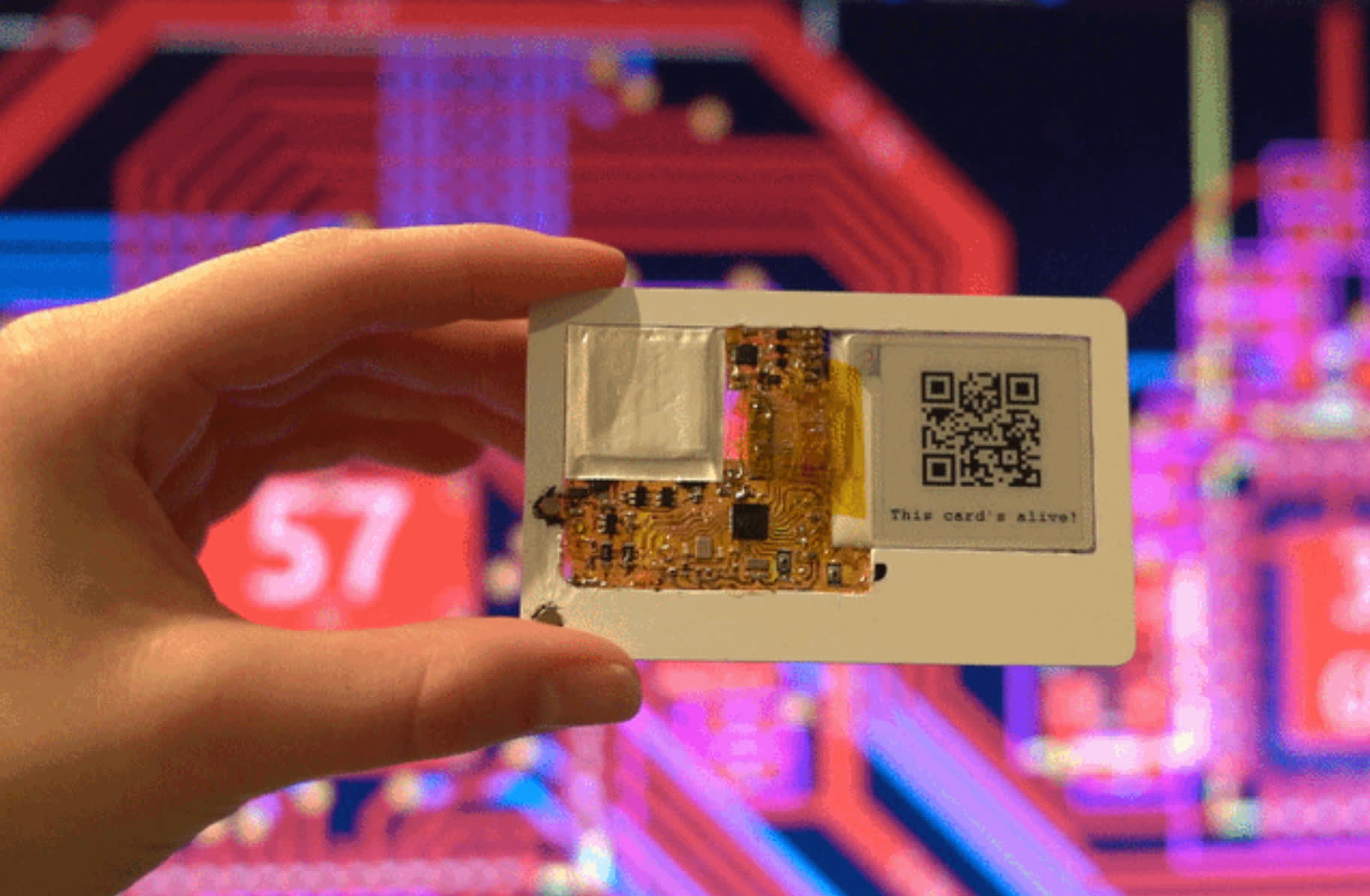

TechCrunch·15 May 2026·A hotel check-in system left a million passports and driver's licenses open for anyone to see | TechCrunch - The tech company that maintains the hotel check-in system set its cloud storage to public, allowing anyone to access customers' data without a password.
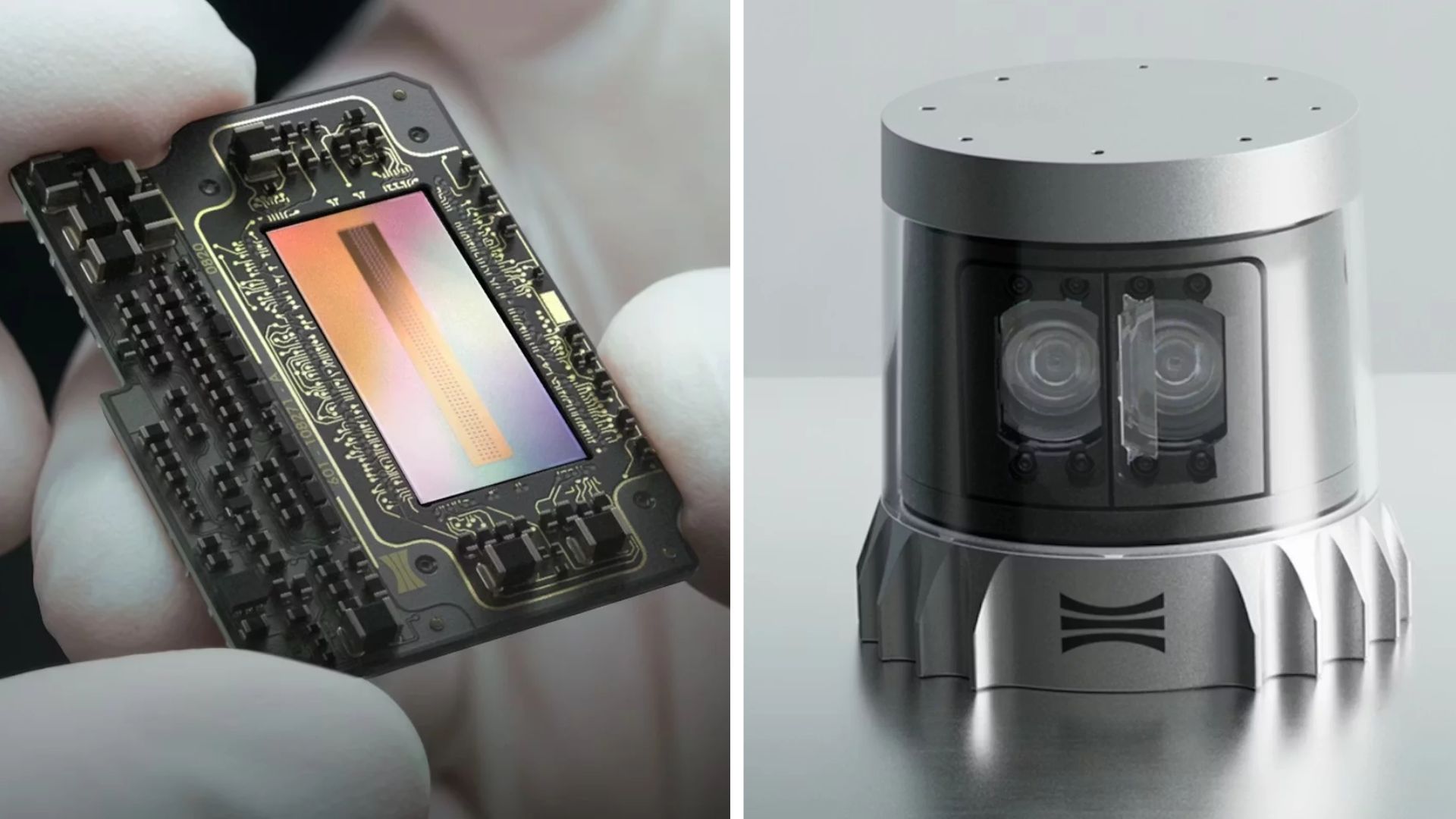
Interesting Engineering·US firm’s world-first color LiDAR helps machines see like humans - Ouster Rev8 delivers 256-channel resolution and a 500-meter range while introducing groundbreaking native color sensing.


Interesting Engineering·15 May 2026·Living algae swarms can split, merge, and deliver treatment with light - Scientists built algae-powered microrobot swarms that assemble with blue light for smart wound targeting.
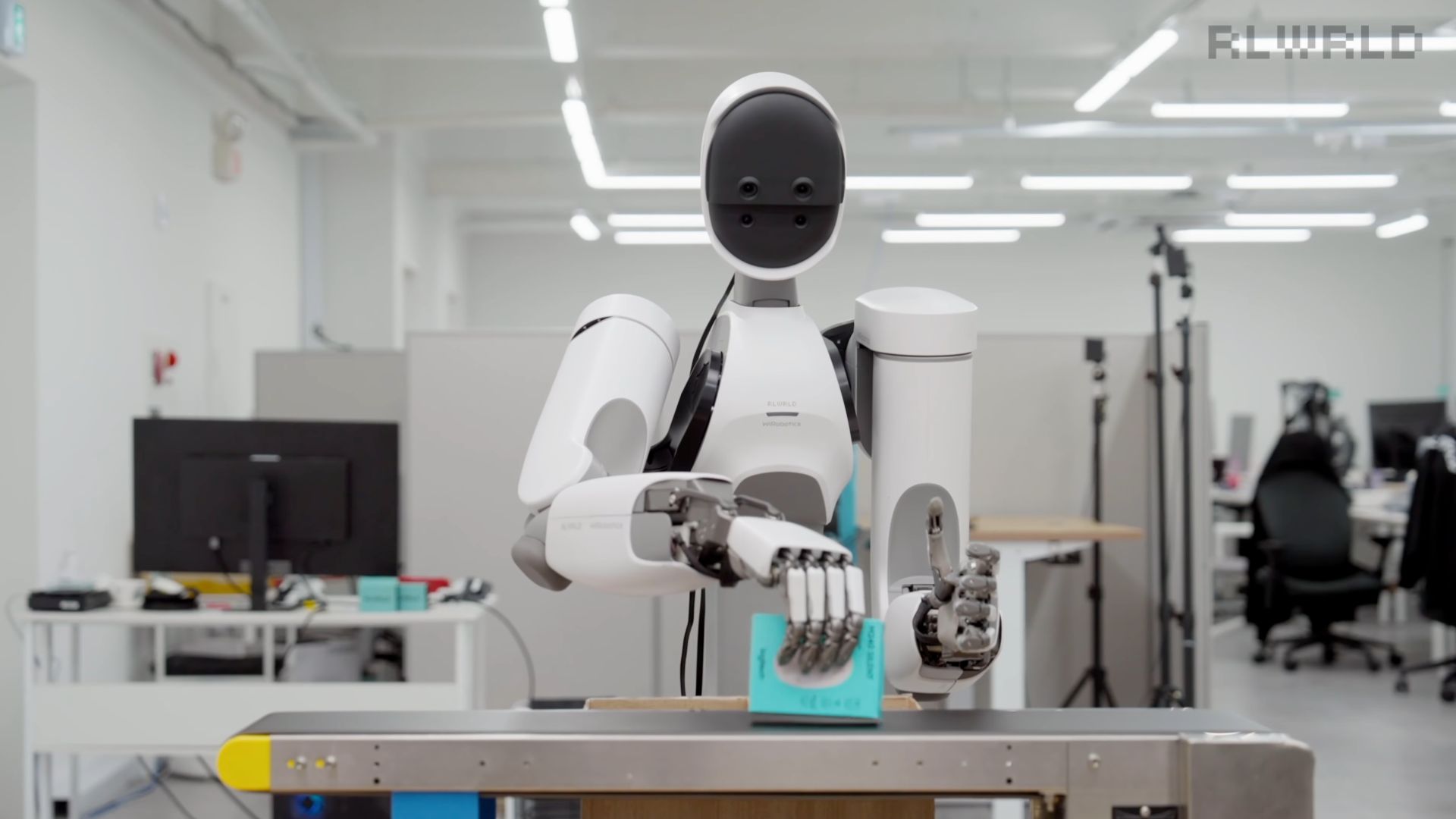
Interesting Engineering·Japan's humanoid robot uses memory, vision for human-like dexterity - Humanoid robot sorts objects using vision and memory, powered by Koream firm RLWRLD’s RLDX-1 dexterity AI model.
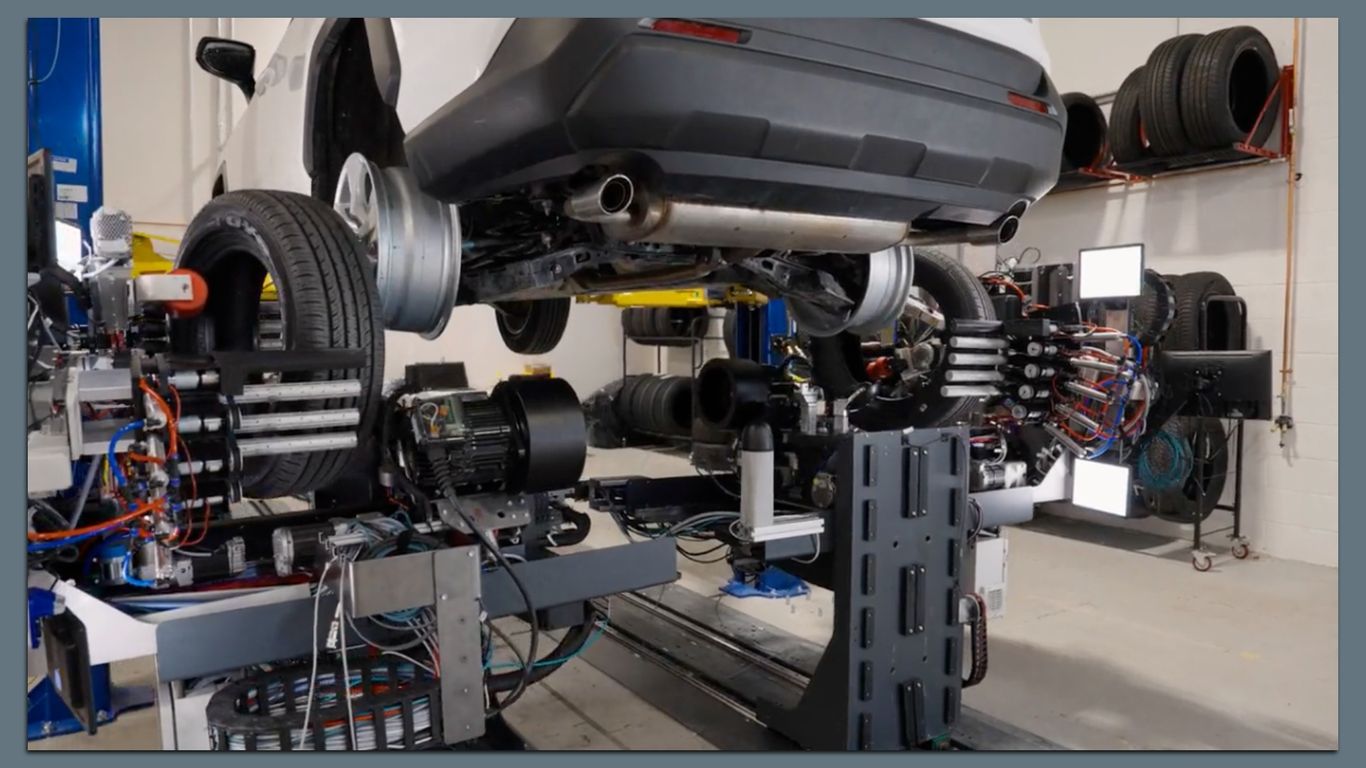

Financial Times·12 May 2026·Ukraine nears deal with Pentagon to test drones in US - Draft statement of intent seen as first step towards potential bigger ‘drone deal’

Arstechnica·13 May 2026·Solar drone with jumbo jet wingspan broke a flight record—then it crashed - Ars Technica - The final flight and complex legacy of a pioneering solar-powered aircraft.

Interesting Engineering·French firm's 'flying marshmallow' drone to boost aerial logistics safety - Celeste Ecoflyers' dAS10 fixed-wing cargo aircraft leverages a low-speed inflatable design for greater efficiency and safety.
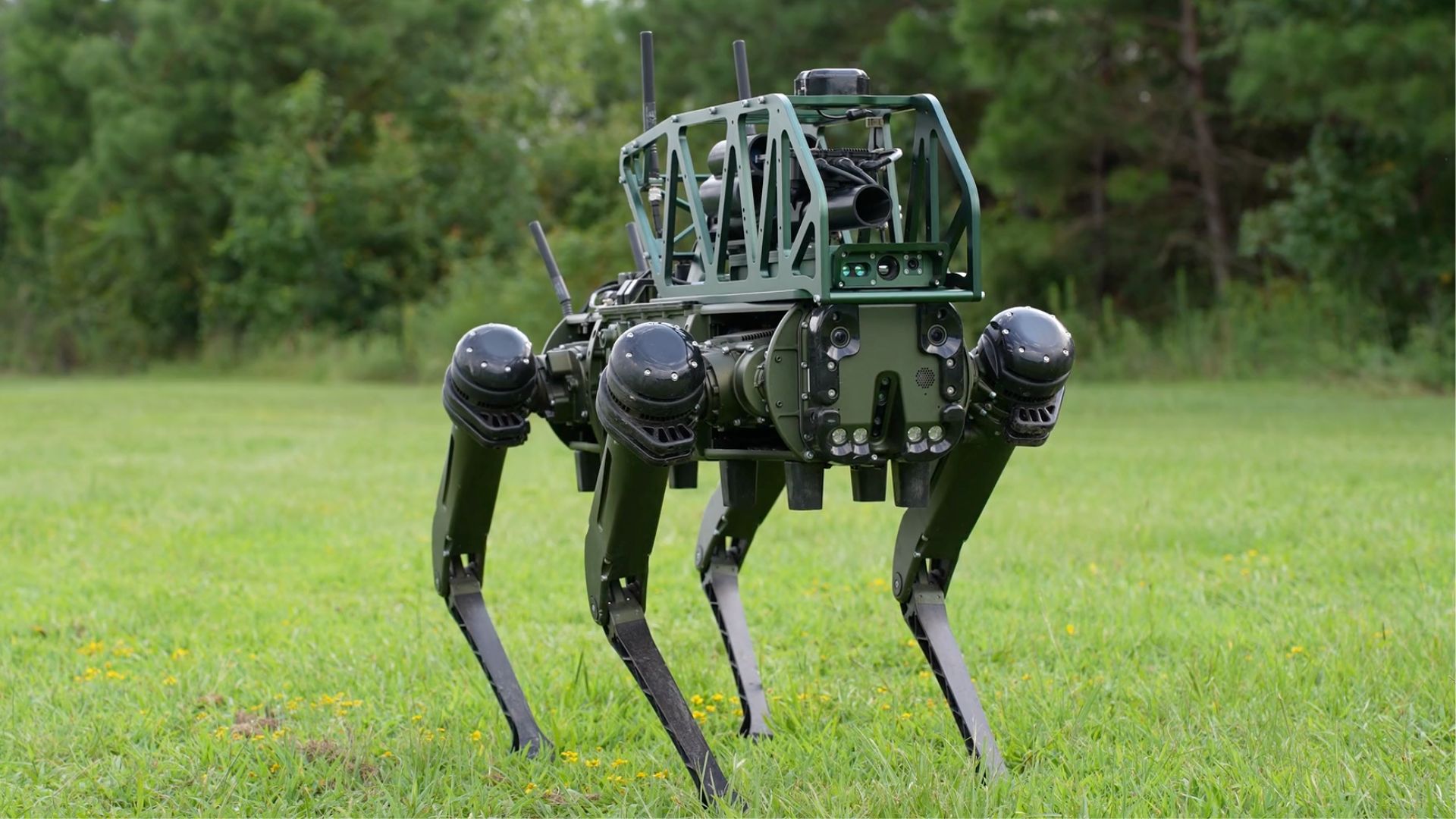
Interesting Engineering·14 May 2026·US to test weaponized robot dogs built for urban warfare operations - US awards $6.5M contract for Australian-made CODiAQ robot dogs with AI targeting and modular weapon systems.
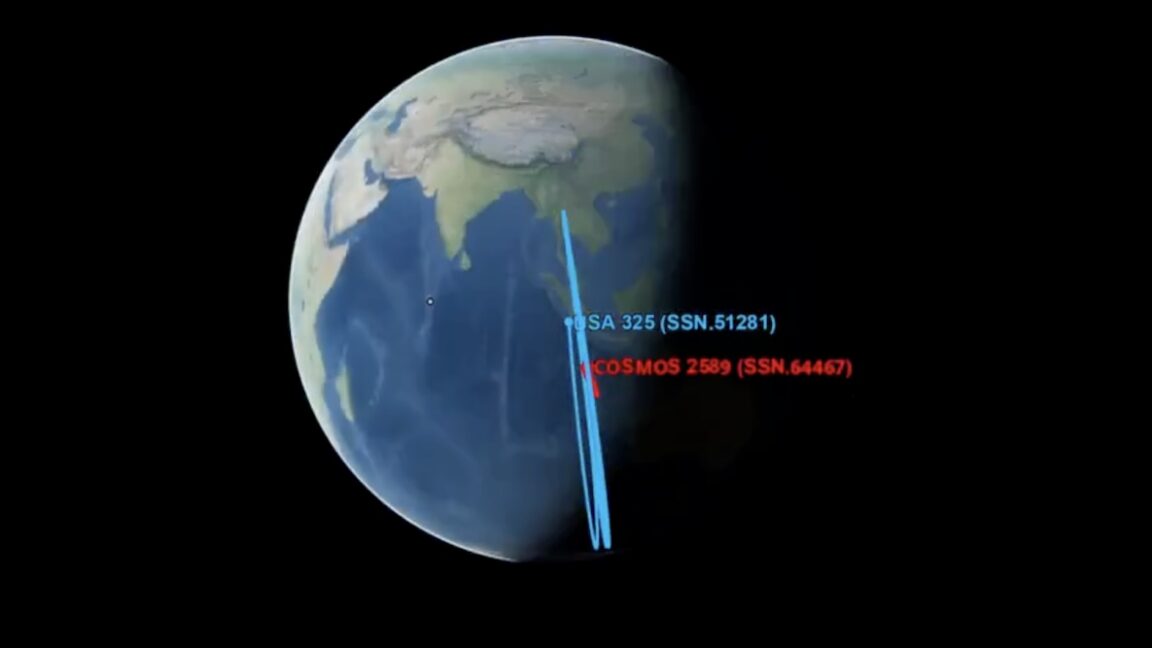
Arstechnica·15 May 2026·Three's a party: US, China, and now Russia are on the prowl in GEO - Ars Technica - Instead of running silent and deep, most satellites easily stand out against the blackness of space.

Financial Times·14 May 2026·Ukraine arms maker launches satellites to cut reliance on US - Fire Point is moving into space after developing drones and missiles, despite an ongoing probe for alleged graft

Interesting Engineering·18 May 2026·Europe plans reusable orbital spaceplane for post-ISS missions - A spaceplane to address the need for autonomous European space transportation capabilities is about to be proposed to the ESA.




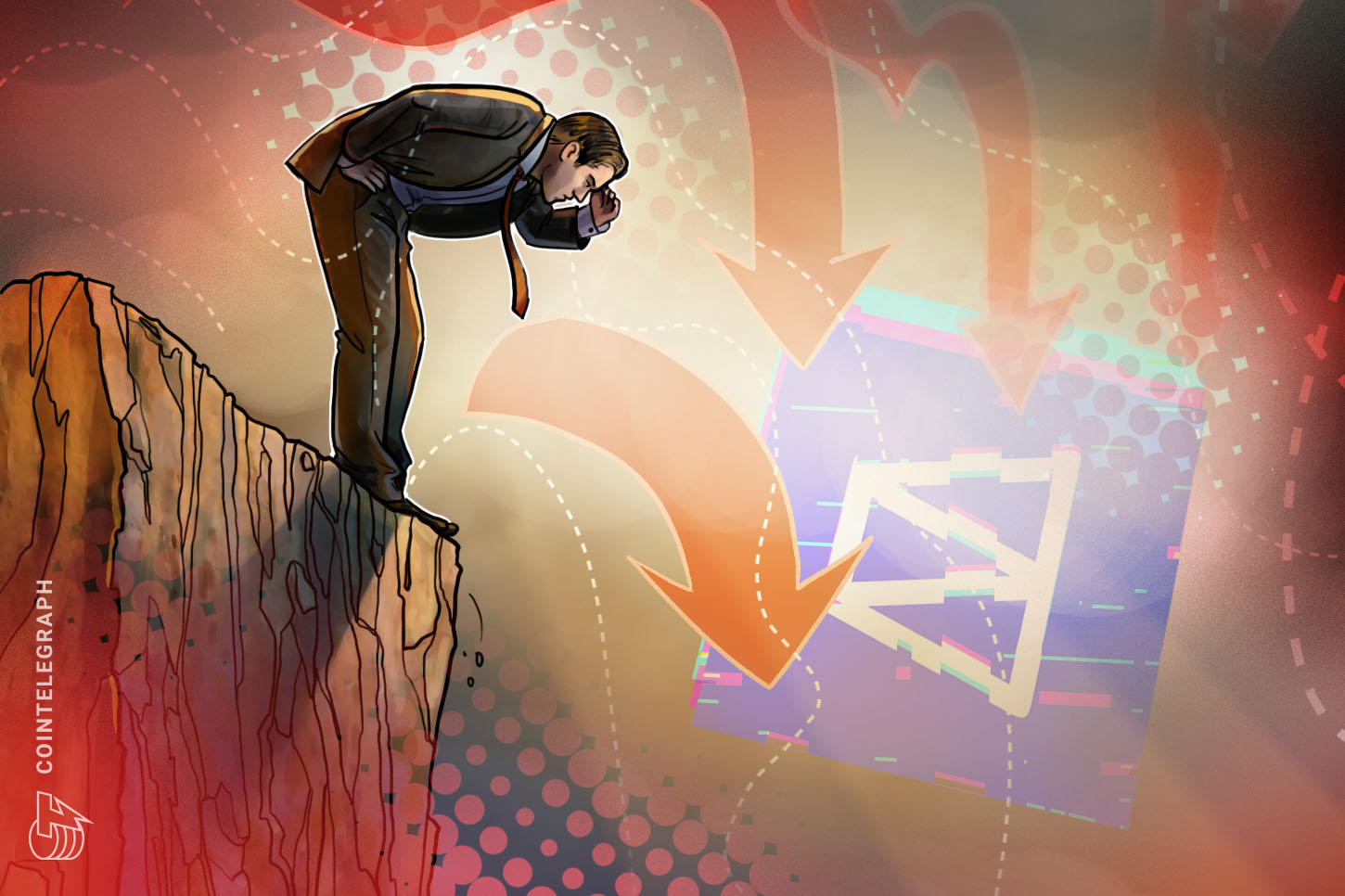
 CoinTelegraph·13 May 2026·Polymarket Records First Drop in Monthly Trading Volume Since August - The Polymarket prediction market records its first drop in monthly trading volume since August, as the company seeks to expand, and competition ramps up.

The Verge·13 May 2026·The crypto Clarity Act returns to the Senate this week. The banks are already trying to kill it. | The Verge - Can the stablecoin bill get passed before the Republicans lose Congress?

SciTechDaily·17 May 2026·Scientists May Have Solved Two of Fusion Energy’s Biggest Problems at Once - Scientists have demonstrated a new plasma operating regime that could help solve two of fusion energy’s biggest challenges at once.
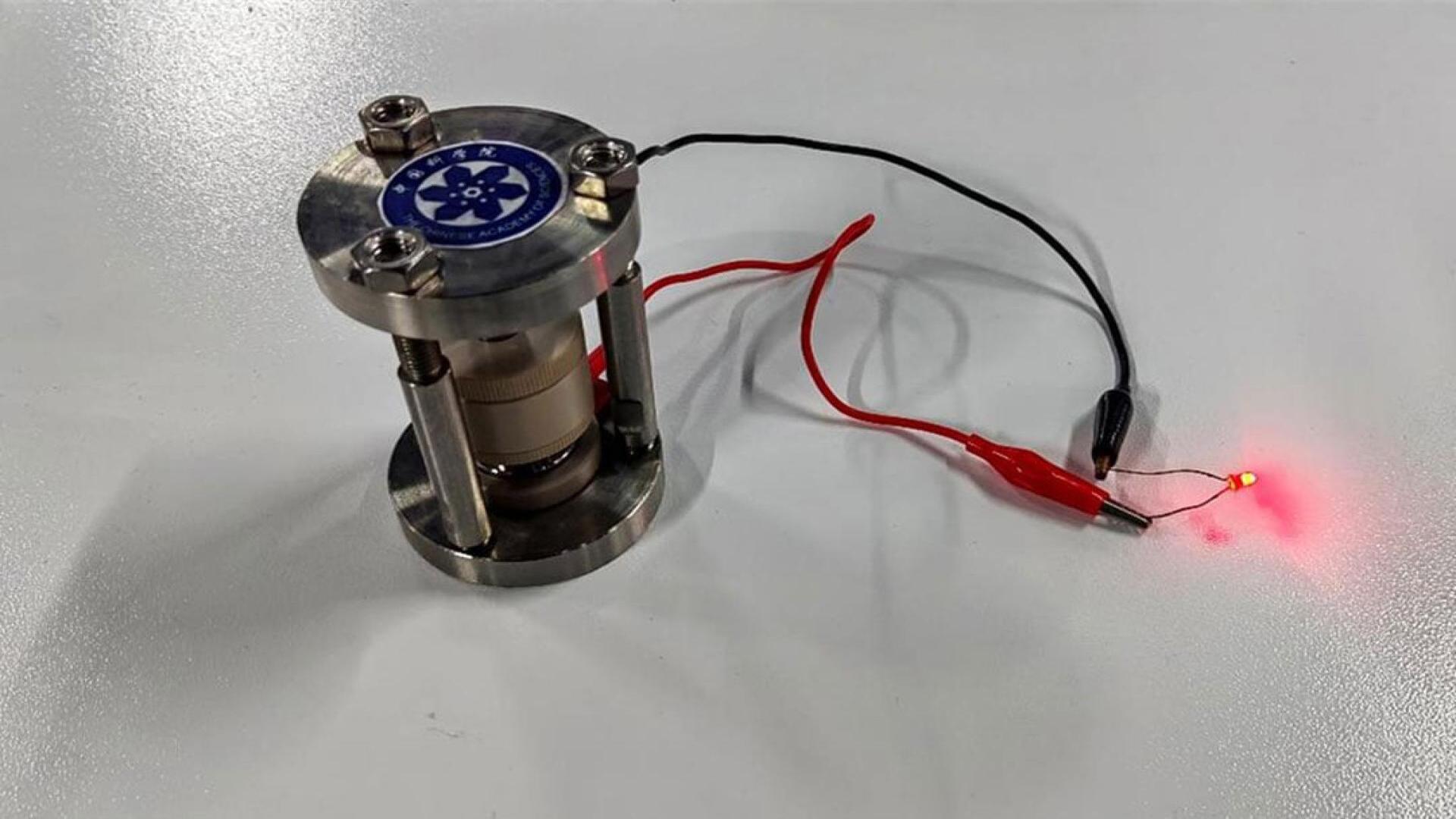
Interesting Engineering·15 May 2026·China's new battery stores electricity, hydrogen with 93.9% efficiency - A team of researchers led by the Dalian Institute of Chemical Physics (DICP) in China has reportedly designed a first-of-its-kind prototype of a gas-solid hydride ion battery.
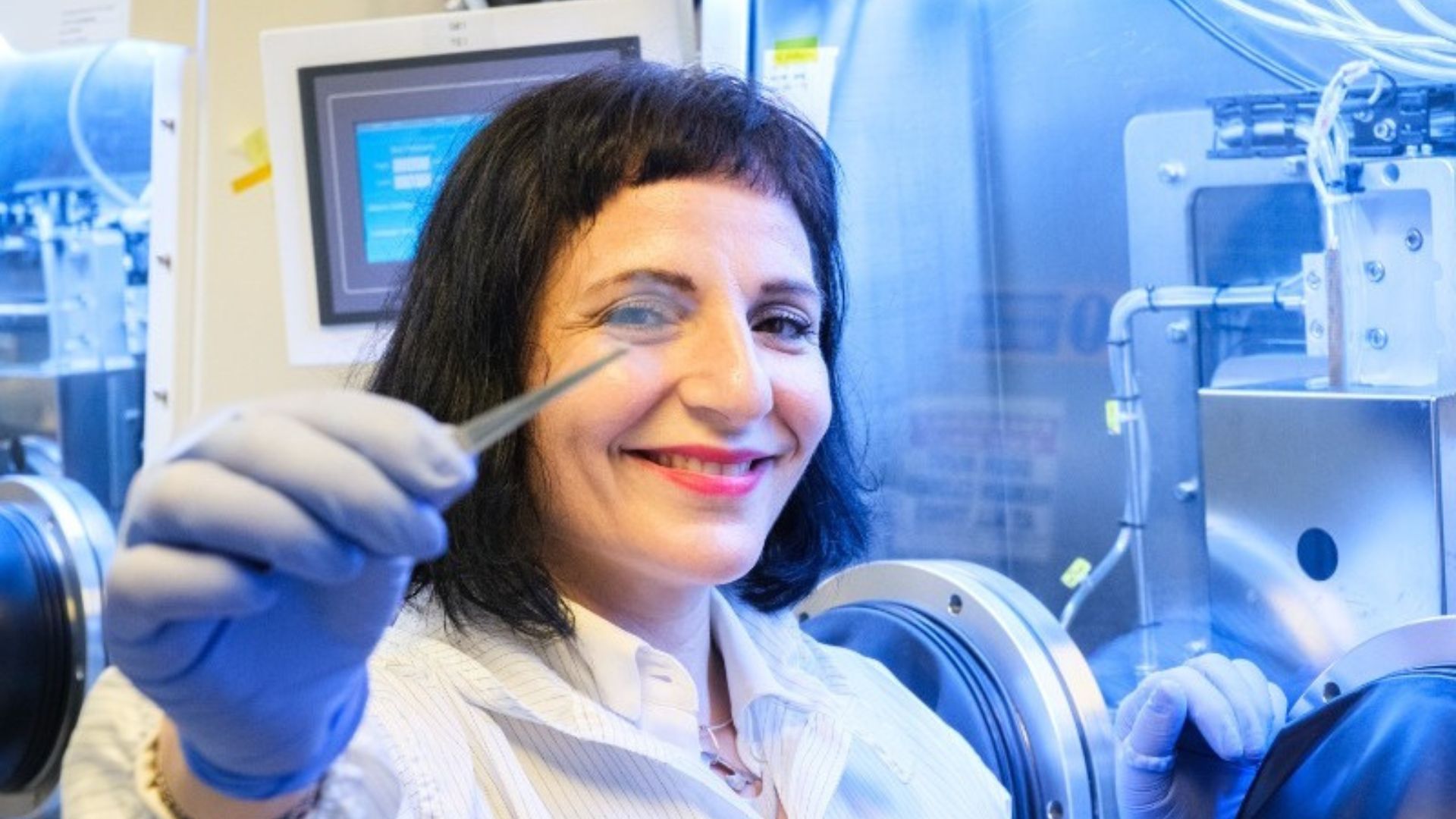
Interesting Engineering·14 May 2026·Scientists build near-invisible solar cells thinner than human hair - New ultrathin perovskite solar cells from Singapore remain semi-transparent while generating electricity under indirect sunlight conditions.


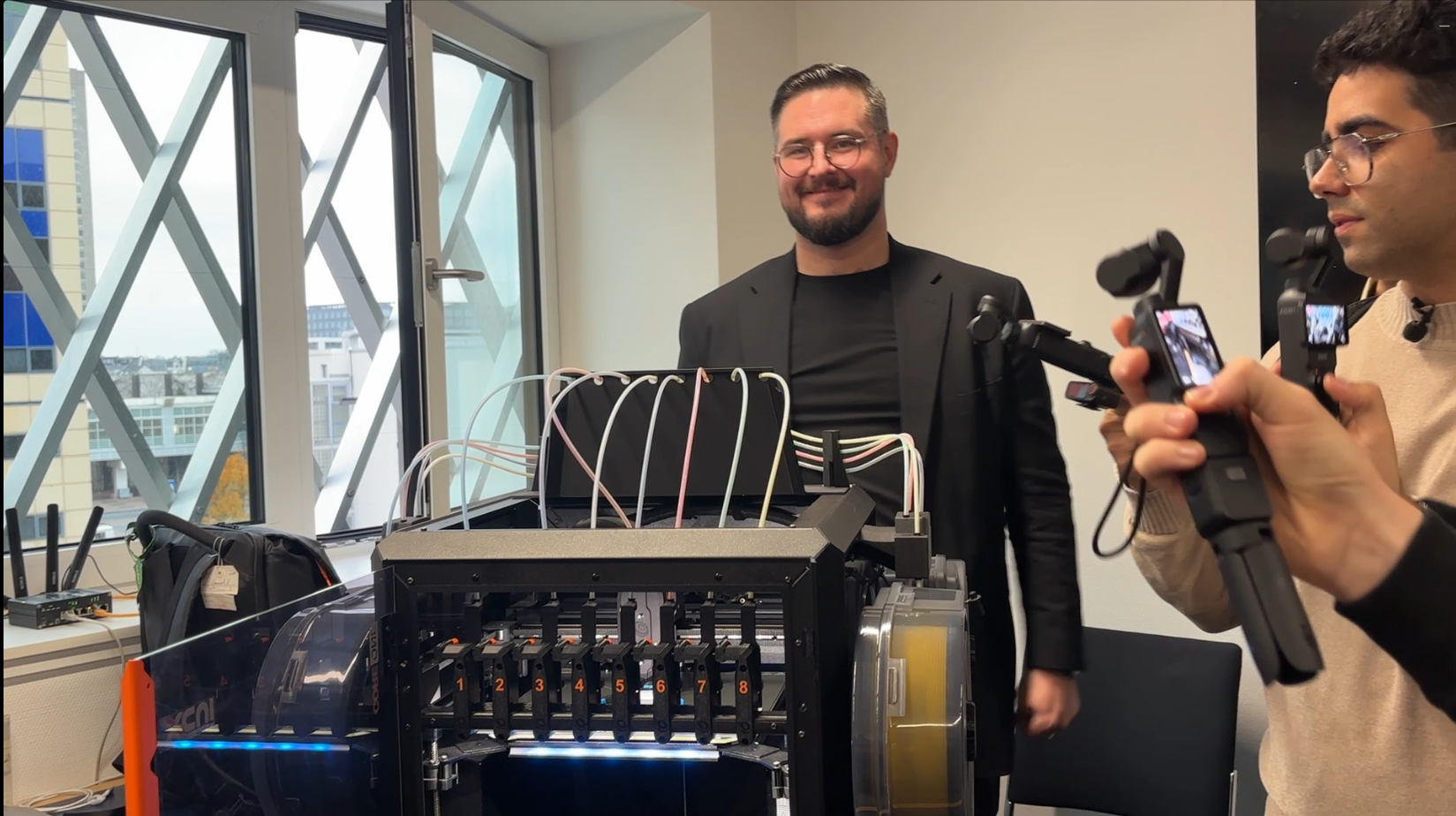


Interesting Engineering·Stable qubit breakthrough pushes quantum supercomputers within reach - Researchers at ETH Zurich have solved a long standing problem with neutral atom qubits paving the way for quantum supercomputers in the future.

Interesting Engineering·This atom-based quantum receiver could change radar, GPS, signal warfare - Quantum sensors built from excited atoms may help future systems navigate even when GPS signals are disrupted or spoofed.

Arstechnica·17 May 2026·A revolutionary cancer treatment could transform autoimmune disease - Researchers are testing CAR T cell therapy as a way to reset the immune system.


 Phys.org·Webb discovers one of the universe's first galaxies - Scientists have discovered a galaxy as it was 13 billion years ago, 800 million years after the Big Bang. It contains possible evidence of the universe's first stars and is one of the most chemically primitive galaxies observed to date.

Phys.org·14 May 2026·More than half of US faces worst drought in decades, says expert - More than 60% of the United States is experiencing drought conditions, with more than 20% in an extreme drought. Andrew Ellis, a climatologist at Virginia Tech said the current conditions are among the worst in decades because the combination of intensity and aerial coverage is rare. He explained why, who is most impacted, and when we can expect relief.

Phys.org·Combinations of climate extremes may prompt carbon budget rethink - Combined extreme climate events are likely to become more common in the future if carbon emissions continue to rise, a paper in Nature suggests. The study finds that the frequency of compound events—such as concurrent hot–wet and drought–heat extremes—is linked to cumulative carbon dioxide (CO2) emissions. In particular, the frequency of more severe events is predicted to escalate rapidly.

 The Conversation·18 May 2026·The hantavirus outbreak is the warning the world needs to improve pandemic preparedness - While the hantavirus outbreak will likely be eliminated, it highlights persistent gaps in global pandemic prevention, preparedness and response measures.

Arstechnica·18 May 2026·Ebola outbreak: WHO declares emergency, US restricts travel, American infected - Ars Technica - CDC is working to move the infected American and six others to Germany.



 Semafor·18 May 2026·US’ record energy exports drive up fuel prices at home | Semafor - The US shipped 14.2 million barrels of crude and products daily in April.

Phys.org·How the world can avoid millions going hungry when supply chains collapse - Millions more people will face hunger in the coming months if the conflict in the Middle East is not resolved soon, the UN has warned. The price of energy, which instantly affects the cost of producing and transporting food, has risen sharply due to the closure of the Strait of Hormuz.