
Contents /
🗞️Weekly roundup

Service-as-software: enterprises must operate like software companies
 SiliconANGLE·4 October 2025·Service-as-software: The new control plane for business - SiliconANGLE - Service-as-software: The new control plane for business - SiliconANGLE
Signals:
- →Enterprises adopting "service-as-software" will gain sustainable competitive advantage through winner-take-most dynamics across all industries, not just technology.
- →Organizations must transform technology, operations, and business models simultaneously while running current business—creating massive productivity gains or risking disruption.
- →The shift requires new governance for agent actions, unified data systems, and different pricing models—representing a decade-long transformation starting now.

OpenAI shifts Sora to opt-in model for copyrighted characters
 TechCrunch·4 October 2025·Sam Altman says Sora will add ‘granular,’ opt-in copyright controls | TechCrunch - OpenAI may be reversing course on how it approaches copyright and intellectual property in its new video app Sora.
Signals:
- →OpenAI shifting from opt-out to opt-in model for copyrighted content addresses major legal liability risks.
- →Revenue-sharing proposal with rights holders could establish new monetization framework for AI-generated content industry.
- →User-generated copyright violations demonstrate urgent need for proactive content controls before regulatory intervention.
OpenAI's Sora app hits 164,000 downloads in two days
TechCrunch·3 October 2025·OpenAI's Sora soars to No. 1 on Apple's US App Store | TechCrunch - OpenAI's Sora app for AI videos is a viral hit, despite being invite-only for now and limited to users in the U.S. and Canada at launch.
Signals:
- →Sora achieved 164,000 installs in two days despite invite-only access, signaling strong consumer demand for AI video tools.
- →Ranked #1 on U.S. App Store, outperforming established AI apps like ChatGPT and Gemini in early momentum.
- →Consumer appetite for AI-powered social content creation presents significant market opportunity beyond enterprise AI applications.

OpenAI launches Sora 2 with controversial copyright stance

Signals:
- →OpenAI's Sora launch combines impressive video generation with a controversial social network and aggressive copyright stance that may trigger major legal battles.
- →The "Big Bright Screen Slop Machine" social feed risks creating addictive AI content consumption without clear safeguards or accountability mechanisms.
- →OpenAI's opt-out copyright approach appears legally dubious, potentially violating intellectual property law and setting dangerous industry precedents.
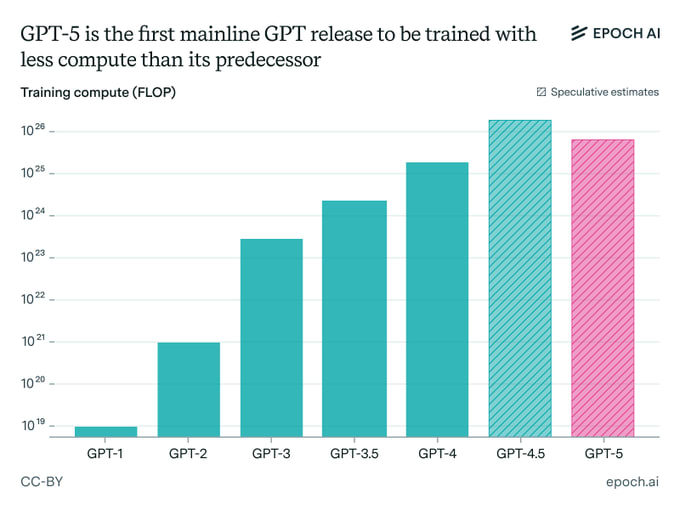
AI-2027's mid-2025 predictions arrive one month late
Signals:
- →AI capability predictions from April 2025 are materializing only weeks behind schedule, validating aggressive 2027 AGI timelines.
- →Frontier models now achieve near-human performance on computer tasks and coding benchmarks earlier than most expected.
- →Exponential AI progress continues with minimal delays, suggesting transformative capabilities may arrive by mid-2027.

OpenAI's Sora app becomes a deepfake generator playground
TechCrunch·1 October 2025·OpenAI's new social app is filled with terrifying Sam Altman deepfakes | TechCrunch - OpenAI's Sora app makes it too easy for people to create misleading AI content.
Signals:
- →OpenAI's Sora creates realistic deepfakes easily, raising serious concerns about disinformation and misuse.
- →Copyright opt-out approach reverses standard practice, potentially exposing companies to significant legal risks.
- →Accessible deepfake technology threatens brand protection, political integrity, and employee safety at scale.

OpenAI's Sora 2 lets friends deepfake you with consent
 Interesting Engineering·30 September 2025·OpenAI’s Sora 2 app lets users remix friends in short AI video clips - OpenAI launches Sora 2 with a TikTok-style app where users create AI cameos, raising fresh questions on internet “AI slop.”
Signals:
- →OpenAI's Sora 2 enables consent-based deepfake videos, raising content authenticity and moderation challenges at scale.
- →AI-generated video quality now mimics reality with physics and sound, potentially flooding internet with synthetic content.
- →New social app combines TikTok format with AI cameos, creating regulatory and ethical governance concerns.

OpenAI's product sprawl risks distracting from AGI mission

Signals:
- →OpenAI's product diversification (Sora, e-commerce) may distract from core AGI development, risking competitive advantage against focused rivals like Anthropic.
- →California's SB 53 establishes first US AI safety law with enforceable requirements, signaling regulatory momentum that will impact industry operations.
- →Bipartisan AI legislation proposals (Hawley-Blumenthal evals bill, liability frameworks) indicate accelerating federal regulatory action requiring strategic preparation.

OpenAI's Sora 2 generates copyrighted character videos with minimal guardrails
Signals:
- →Sora 2 easily generates copyrighted characters without permission, creating massive legal liability risks for organizations.
- →Weak content guardrails enable creation of offensive branded content that could damage corporate reputations.
- →Tool demonstrates AI companies' disregard for intellectual property rights, signaling potential regulatory crackdowns ahead.

Redecentralize advocates for open platforms over digital monopolies
 Redecentralize.org·Redecentralize.org
Signals:
- →Advocates structural alternatives to big tech monopolies, not just accountability measures for existing platforms.
- →Connects decentralization projects and bridges technology, media, and policy communities for coordinated action.
- →Provides resources and community support for implementing interoperable, privacy-focused technological solutions.
📈The week in AI and Tech
Governance and Policy

Scientists expose flaw in AI bioweapon security screening
 Financial Times·2 October 2025·Risk of AI bioweapons laid bare by flaw in security software, scientists warn - Researchers find vulnerability in screening that guards access to dangerous genetic material
Signals:
- →AI-designed bioweapons can bypass existing security screening software protecting dangerous genetic material suppliers.
- →Current biosecurity defenses are inadequate as AI accelerates bioterrorism capabilities and reduces expertise barriers.
- →Immediate policy action required before advancing AI technology makes synthetic toxin production easier and cheaper.
Regulation

Waymo self-driving car pulled over, but police can't issue ticket
Signals:
- →Current traffic laws cannot penalize autonomous vehicles, creating enforcement gaps as self-driving technology expands commercially.
- →New California legislation in 2026 will enable police to report AV violations to DMV, requiring updated regulatory frameworks.
- →Incident highlights urgent need for legal infrastructure addressing liability and accountability in autonomous vehicle operations.

Apple removes ICEBlock app after Justice Department demand
Signals:
- →Government pressure forced Apple to remove ICEBlock app, raising concerns about free speech and corporate compliance with political demands.
- →App removal follows deadly ICE office shooting, linking technology platforms to law enforcement safety and potential liability issues.
- →Precedent set for removing crowdsourced tracking apps could affect similar services and corporate content moderation policies.

Dutch court orders Meta to provide easy access to non-profiled feeds
 TechXplore·2 October 2025·Meta must ease access to non-profiled timeline: Dutch court - A Dutch court Thursday ordered Meta to ensure that Facebook and Instagram users in the Netherlands have "direct and easily available" access to a feed that is not based on algorithmic profiling.
Signals:
- →Dutch court mandates Meta provide easily accessible non-algorithmic feeds within two weeks or face €100,000 daily fines.
- →Ruling establishes precedent for EU Digital Services Act enforcement regarding user autonomy over content curation.
- →Decision challenges tech platforms' algorithmic control, potentially affecting social media business models across EU markets.

Dutch authorities demand human option alongside chatbots
TechXplore·2 October 2025·Dutch warning over 'annoying' chatbots - Dutch authorities told companies and organizations on Thursday they should not rely solely on chatbots to communicate with consumers, describing their use as "one of the biggest annoyances" customers face.
Signals:
- →Dutch regulators mandate human contact options alongside chatbots, signaling potential EU-wide regulatory changes.
- →Rising consumer complaints about chatbots may require companies to redesign customer service strategies.
- →Stricter AI chatbot guidelines expected, impacting operational costs and compliance requirements across organizations.

Indonesia suspends TikTok over protest data refusal
Financial Times·3 October 2025·Indonesia suspends TikTok’s licence over refusal to share protest data - South-east Asian country is video app’s second-biggest market after the US
Signals:
- →Indonesia suspended TikTok's license for refusing to share protest livestream data, signaling increased government control over digital platforms.
- →TikTok's second-largest market (150mn users) faces access restrictions, creating significant regulatory and business risk precedent.
- →Action raises concerns about free speech restrictions under President Prabowo's increasingly militarized government consolidating power.
Security

Oracle patches zero-day flaw exploited by Clop hackers
TechCrunch·6 October 2025·Clop hackers caught exploiting Oracle zero-day bug to steal executives' personal data | TechCrunch - Oracle fixes another security flaw that Clop hackers were using to steal sensitive personal information about executives as part of a mass-extortion campaign.
Signals:
- →Oracle E-Business Suite zero-day actively exploited; hackers stealing executive personal data for extortion without credentials.
- →Thousands of organizations worldwide store sensitive customer and HR data on vulnerable systems requiring immediate patching.
- →Mass exploitation campaign by Clop ransomware group continues despite July patches; more extortion attempts expected.

Cyberattack halts shipments at Japan's Asahi Group breweries
TechXplore·3 October 2025·Cyberattack halts shipments from Japan's biggest brewer - A damaging cyberattack on Japanese beer giant Asahi this week has halted shipments from its breweries and there is no resumption in sight, the company warned Friday, fueling fears of shortages.
Signals:
- →Major supply chain disruption threatens Japan's largest beer producer with no recovery timeline established.
- →Ransomware attacks increasingly targeting critical manufacturing infrastructure, following similar Jaguar Land Rover incident.
- →Cyberattack demonstrates vulnerability of production-distribution systems, causing 7% stock decline and potential market shortages.

Clop-linked hackers claim Oracle E-Business Suite data theft
SiliconANGLE·2 October 2025·Clop-linked hackers claim Oracle E-Business Suite data theft in high-stakes extortion push - SiliconANGLE - Clop-linked hackers claim Oracle E-Business Suite data theft in high-stakes extortion push - SiliconANGLE
Signals:
- →Clop-linked hackers demand up to $50M from companies, threatening to expose stolen Oracle E-Business Suite data.
- →Oracle patched 300+ vulnerabilities in July 2025, but breach confirmation remains unverified despite widespread extortion emails.
- →Attack targets enterprise software affecting finance, supply chain, and HR systems across multiple industries simultaneously.

AI-powered botnets evolve into stealthier, more sophisticated threats
SiliconANGLE·2 October 2025·Botnets are getting smarter and more dangerous - SiliconANGLE - Botnets are getting smarter and more dangerous - SiliconANGLE
Signals:
- →AI-powered botnets now represent 29% of all malware, becoming the top cyberthreat in 2024.
- →Smaller, stealthier botnets can execute sophisticated targeted attacks, making detection and mitigation significantly harder.
- →Botnet-as-a-service platforms enable low-skill attackers to launch devastating attacks, democratizing advanced cyber warfare.

Unitree Robotics fixes critical Bluetooth vulnerability in robots
 Panda Daily·1 October 2025·Unitree Robotics Addresses Robot Security Flaw, Update Imminent - Pandaily - Unitree Robotics addressed a critical Bluetooth vulnerability in its Go2, B2, G1, and H1 robots, fixing most issues and preparing a software update, as announced on September 29, 2025, amid global concerns over robotic security risks.
Signals:
- →Critical Bluetooth vulnerability allowed wireless exploitation and full control of multiple Unitree robot models.
- →Infected robots could autonomously compromise other units, creating potential botnet without human intervention.
- →Security flaws in robotics platforms pose real physical risks, requiring immediate safeguards industry-wide.

Unitree G1 robots found sending data to China, easily hackable
TechXplore·30 September 2025·Security researchers say G1 humanoid robots are secretly sending information to China and can easily be hacked - Researchers have uncovered serious security flaws with the Unitree G1 humanoid robot, a machine that is already being used in laboratories and some police departments. They discovered that G1 can be used for covert surveillance ...
Signals:
- →Unitree G1 humanoid robots contain critical security flaws enabling easy hacking and remote control.
- →Robots continuously transmit data to Chinese servers without user knowledge or consent.
- →Devices deployed in police departments, labs, and sensitive facilities pose significant cybersecurity risks.

Asahi brewery halts production after cyberattack hits systems
TechCrunch·30 September 2025·Japan's beer-making giant Asahi stops production after cyberattack | TechCrunch - A day after one of Japan's biggest brewers, Asahi Group, announced it suspended production due to a cyberattack, the company said it has no timeline for its recovery.
Signals:
- →Major beverage manufacturer halted all production across 30 Japanese plants due to cyberattack.
- →No recovery timeline established, demonstrating severe operational vulnerability to cyber threats.
- →Incident highlights critical need for robust cybersecurity measures in manufacturing supply chains.
Sovereignty and Geopolitics

EU unveils AI strategy to reduce US-China dependence
Financial Times·5 October 2025·EU pushes new AI strategy to reduce tech reliance on US and China - Brussels to unveil plan targeting digital sovereignty as it warns technology can be ‘weaponised’ by geopolitical rivals
Signals:
- →EU seeks digital sovereignty by reducing dependence on US and Chinese AI infrastructure and technology.
- →Brussels mobilizing €1bn to accelerate European AI adoption in defense, healthcare, and manufacturing sectors.
- →Technology dependencies can be "weaponized" by rivals, creating strategic vulnerabilities for European security and supply chains.

Google removes Red Dot app tracking ICE agents
 The Verge·3 October 2025·Google removes ICE-spotting app following Apple’s ICEBlock crackdown | The Verge - Google has removed Red Dot, an app people could use to report ICE sightings from Google Play, one day after Apple removed similar apps, including Red Dot and ICEBlock.
Signals:
- →Major tech platforms removing apps under government pressure raises content moderation and free speech concerns.
- →DOJ influence over app store policies creates precedent for future government-directed content removal.
- →Conflict between law enforcement safety claims and civil liberties highlights regulatory compliance challenges.

UK government files second secret order demanding Apple build iCloud backdoor
TechCrunch·1 October 2025·UK government tries again to access encrypted Apple customer data: Report | TechCrunch - The U.K. Home Office is seeking access to Apple users’ encrypted iCloud backups for a second time, after an earlier attempt failed earlier this year.
Signals:
- →UK demands Apple create encryption backdoor, threatening global user privacy and security standards.
- →Second secret government order could force Apple to compromise end-to-end encryption worldwide.
- →Legal precedent may enable other governments to demand similar backdoor access to encrypted data.

UK renews demand for Apple cloud data access
Financial Times·1 October 2025·UK makes new attempt to access Apple cloud data - Order issued in September comes after Trump administration said London had backed down in fight over encryption
Signals:
- →UK demands Apple create encryption backdoor, risking global cybersecurity vulnerabilities exploitable by hostile actors.
- →US-UK diplomatic tensions over data access could impact trade negotiations and tech investments.
- →Legal precedent may force other tech companies to compromise user privacy and security protections.

Taliban imposes nationwide internet blackout in Afghanistan
 Semafor·30 September 2025·Taliban shuts off Afghanistan internet nationwide | Semafor - Some experts feared the ban could prevent the exchange of key medical information or hamper people’s ability to receive digital remittances.
Signals:
- →Nationwide internet blackout threatens Afghanistan's economy, particularly digital remittances critical for financial stability.
- →Medical information exchange disrupted, potentially worsening existing humanitarian crisis and affecting international aid operations.
- →Escalating Taliban repression signals further isolation, complicating diplomatic engagement and regional security considerations.
Society
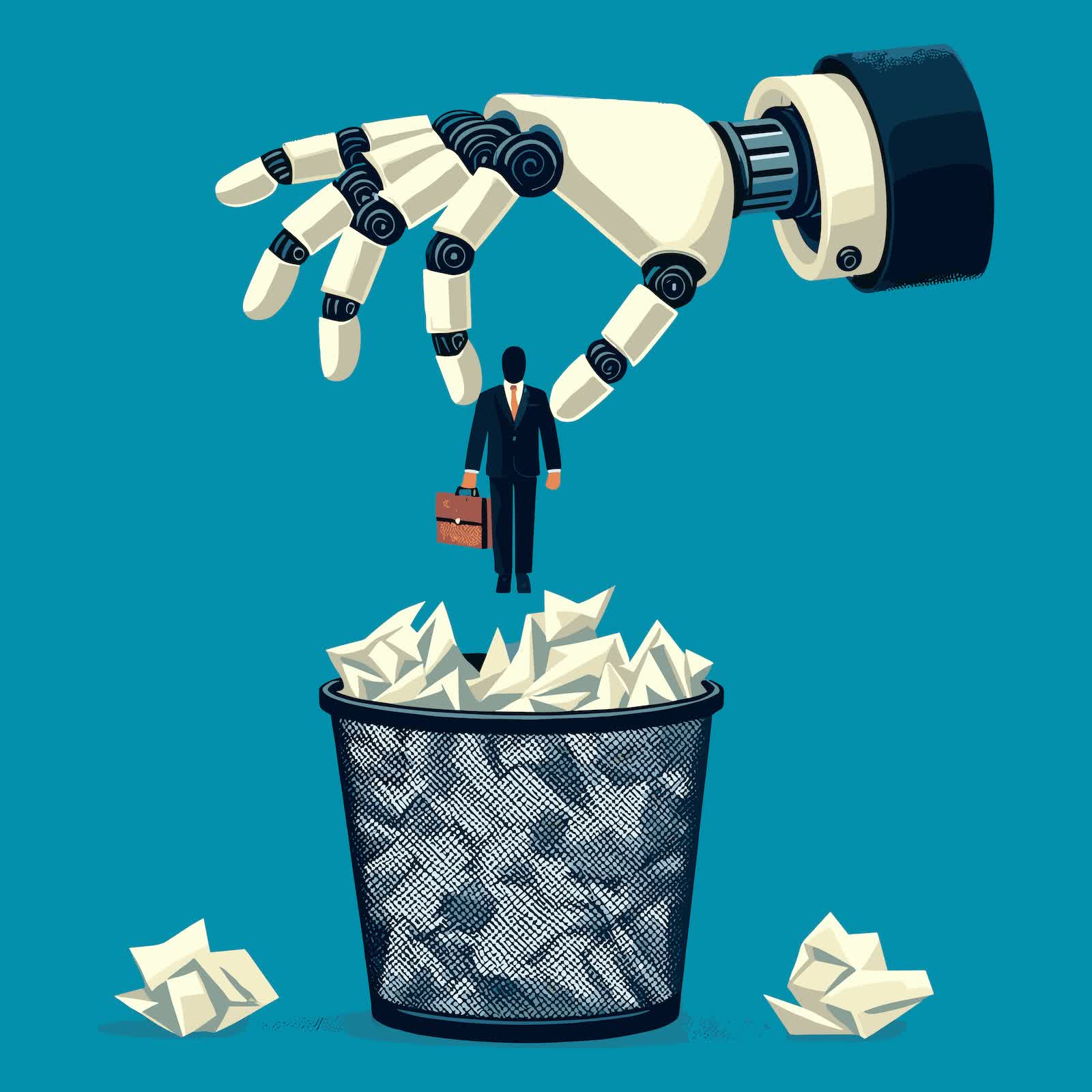
Yale study finds AI hasn't disrupted US employment yet
Signals:
- →AI hasn't caused significant US job displacement despite widespread adoption and executive warnings.
- →Gap between AI hype and actual labor market impact suggests premature workforce restructuring decisions.
- →Continued monitoring needed as AI adoption evolves, but current evidence shows stable employment patterns.

AI tools rapidly replacing human tutors in China
 Rest of World·1 October 2025·AI is reshaping childhood in China, from robot tutors to chatbots - Rest of World - Chinese parents embrace AI toys, tutors, and therapy bots as the government pushes tech into schools, but experts warn of risks to children’s development.
Signals:
- →China mandates AI integration in education, creating multibillion-dollar industry with government-backed adoption across schools nationwide.
- →Parents increasingly replace human tutors with cheaper AI tools for education and childcare despite unproven effectiveness.
- →Experts warn untested AI may harm child development, reduce critical thinking, and worsen urban-rural educational inequality.

Social media usage declines as platforms fill with AI slop
Financial Times·3 October 2025·Have we passed peak social media? - As platforms degrade into outrage and slop, users are turning away
Signals:
- →Social media usage peaked in 2022 and declined 10% by 2024, signaling potential market saturation.
- →Platforms increasingly rely on AI-generated content and engagement manipulation, degrading user experience and brand value.
- →Declining engagement among younger users threatens long-term revenue models and advertising effectiveness.
Business

Lambda's Kenneth Patchett on future-proofing data centers for AI
SiliconANGLE·2 October 2025·Future-proof data centers to power the AI factory boom - SiliconANGLE - Future-proof data centers are becoming essential as GPU-driven workloads demand new levels of power, cooling and scalability for tomorrow’s compute.
Signals:
- →Data centers built in 2024 and earlier cannot support current GPU density requirements for AI workloads.
- →New GPU hardware releases every 6-9 months require continuous data center infrastructure evolution and investment.
- →Infrastructure bottlenecks, not GPU scarcity, now limit AI deployment and enterprise compute accessibility.
Education

Austin school uses AI to personalize learning for $40K tuition
Signals:
- →AI-driven personalized learning shows top 1% test results, potentially transforming traditional education models.
- →$40,000 tuition demonstrates premium market for AI education, signaling investment opportunities and equity concerns.
- →Six-figure salaries for non-teaching "guides" indicates major workforce transformation in education sector.
Entertainment

AI avatar Tilly Norwood sparks Hollywood normalization concerns
The Verge·4 October 2025·Tilly Norwood is a gen AI psyop | The Verge - All of the buzz about Particle6 and Xicoia’s new “AI actress” is just a marketing ploy designed to normalize generative AI.
Signals:
- →AI-generated avatars like Tilly Norwood normalize replacing human actors, threatening entertainment industry jobs and livelihoods.
- →Marketing tactics create false inevitability around AI adoption, influencing decision-makers to accept unproven technology.
- →SAG-AFTRA warns AI avatars use stolen performances, jeopardizing performer rights and devaluing human artistry.

Creator defends AI actress as art amid Hollywood backlash
TechXplore·30 September 2025·Creator says AI actress is 'piece of art' after backlash - The creator of an AI actress who exploded across the internet over the weekend has insisted she is an artwork, after a fierce backlash from the creative community.
Signals:
- →AI talent threatens entertainment industry jobs, risking strikes and workforce displacement concerns.
- →Studios adopting AI to cut production costs despite creative community opposition.
- →Legal and ethical questions emerge around composite AI creations using real people's likenesses.

SAG-AFTRA opposes AI actress Tilly Norwood representation talks
 Deadline·30 September 2025·SAG-AFTRA Responds To AI Actress"Tilly Norwood Furor - SAG-AFTRA Responds To AI Actress Tilly Norwood Furor: “Creativity Is & Should Remain Human-Centered”
Signals:
- →SAG-AFTRA warns studios that using AI performers without union compliance violates contractual obligations and requires bargaining.
- →AI-generated "actors" trained on performers' work without compensation threaten to replace human talent and eliminate jobs.
- →Federal copyright rulings deny AI-generated content human authorship, creating legal uncertainty for productions using synthetic performers.
🏭AI and Tech industry news

Supabase raises $100M at $5B valuation, up 500% in a year
TechCrunch·3 October 2025·Supabase nabs $5B valuation, four months after hitting $2B | TechCrunch - It's been a wild year of growth and fundraising for vibe-coding database of choice, Supabase.
Signals:
- →Supabase valuation surged 500% to $5B in one year, signaling explosive AI-driven demand.
- →Open-source database powers leading AI coding tools like Cursor, Replit, and Claude Code.
- →Raised $380M in 12 months as vibe-coding market accelerates enterprise adoption rapidly.

Musk becomes first person to reach $500 billion net worth
Signals:
- →Musk's $500B milestone reflects unprecedented wealth concentration requiring policy consideration.
- →Tesla stock doubling signals major market shift impacting automotive and energy sectors.
- →Potential trillion-dollar compensation package sets precedent for executive pay structures.
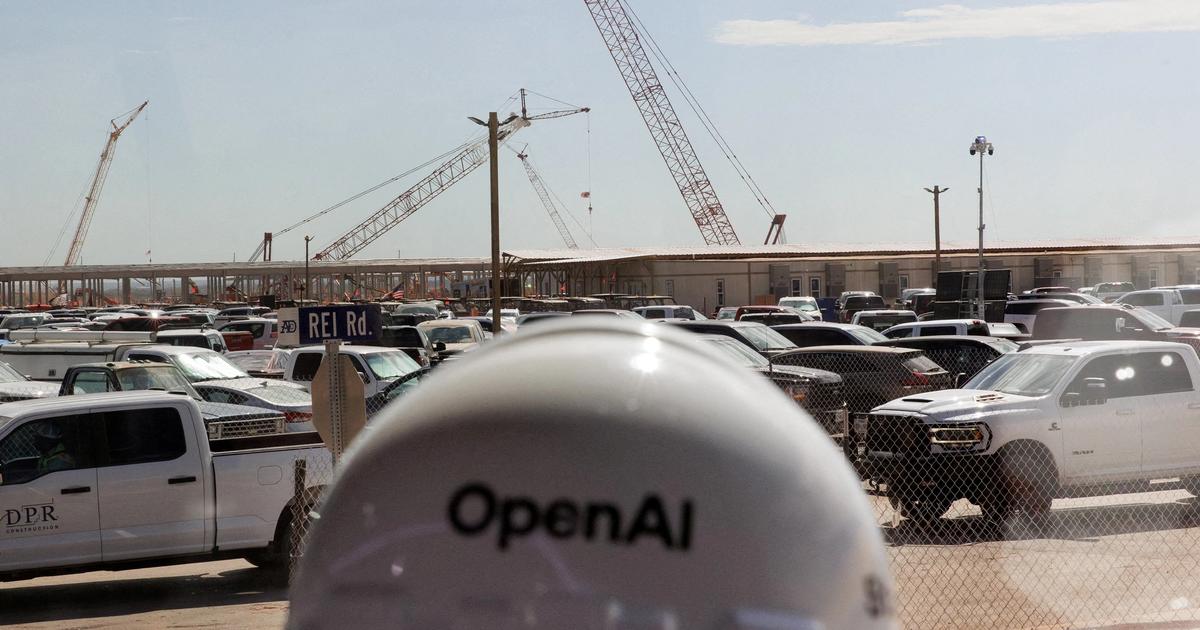
Data center investment could create 500,000 jobs in five years
Semafor·3 October 2025·Data center investment could create half a million jobs, report says | Semafor - Most of the jobs would be in manufacturing, but they would also span other industries like transportation and real estate.
Signals:
- →$100B data center investment projected to create 500,000 jobs and boost GDP by $140B over five years.
- →Report provides economic justification for AI infrastructure amid growing concerns about technology-driven job losses.
- →Findings support case for regulatory and permitting reforms in US-China AI competition.

AI capex boom signals bubble nearing its endgame
Financial Times·3 October 2025·The AI capex endgame is approaching - The rapid building of excess capacity both extends bubbles and ultimately bursts them
Signals:
- →AI capital expenditure boom mirrors late-1990s TMT bubble, signaling potential market bust ahead.
- →Tech stock concentration and excessive valuations create significant portfolio risk for current investors.
- →Post-bubble excess capacity enables broader AI adoption, but requires strategic policy response planning.

Anderson warns Nvidia's OpenAI bet echoes dotcom bubble
Financial Times·1 October 2025·James Anderson warns Nvidia’s $100bn OpenAI bet echoes dotcom bubble - Former Baillie Gifford tech investor says recent jump in AI valuations is ‘disconcerting’
Signals:
- →Prominent tech investor warns Nvidia's $100bn OpenAI investment resembles risky dotcom-era "vendor financing" practices.
- →Rapid AI valuation surges (OpenAI: $157bn to $500bn) signal potential bubble formation requiring caution.
- →Circular financing structure raises concerns about sustainability of massive AI infrastructure investments.

Periodic Labs raises $300M to automate scientific discovery
TechCrunch·30 September 2025·Former OpenAI and DeepMind researchers raise whopping $300M seed to automate science | TechCrunch - Periodic Labs has raised from a tech industry who's who, including Andreessen Horowitz, Nvidia, Elad Gil, Jeff Dean, Eric Schmidt, and Jeff Bezos.
Signals:
- →$300M seed funding signals massive investor confidence in AI-driven materials discovery and scientific automation.
- →Automated labs could accelerate superconductor and materials innovation critical for next-generation technology development.
- →Physical experiment data generation addresses AI training limitations as internet-based data sources become exhausted.

AI's economic gains depend on who captures them
Signals:
- →AI productivity gains only drive economic growth when producers capture and reinvest surplus, not when competition forces savings to consumers.
- →Service sector automation may cut costs but often fails to increase output capacity or build future capabilities needed for sustained growth.
- →Success in the AI economy requires both institutional capacity to retain producer surplus and reliable access to compute-energy infrastructure.
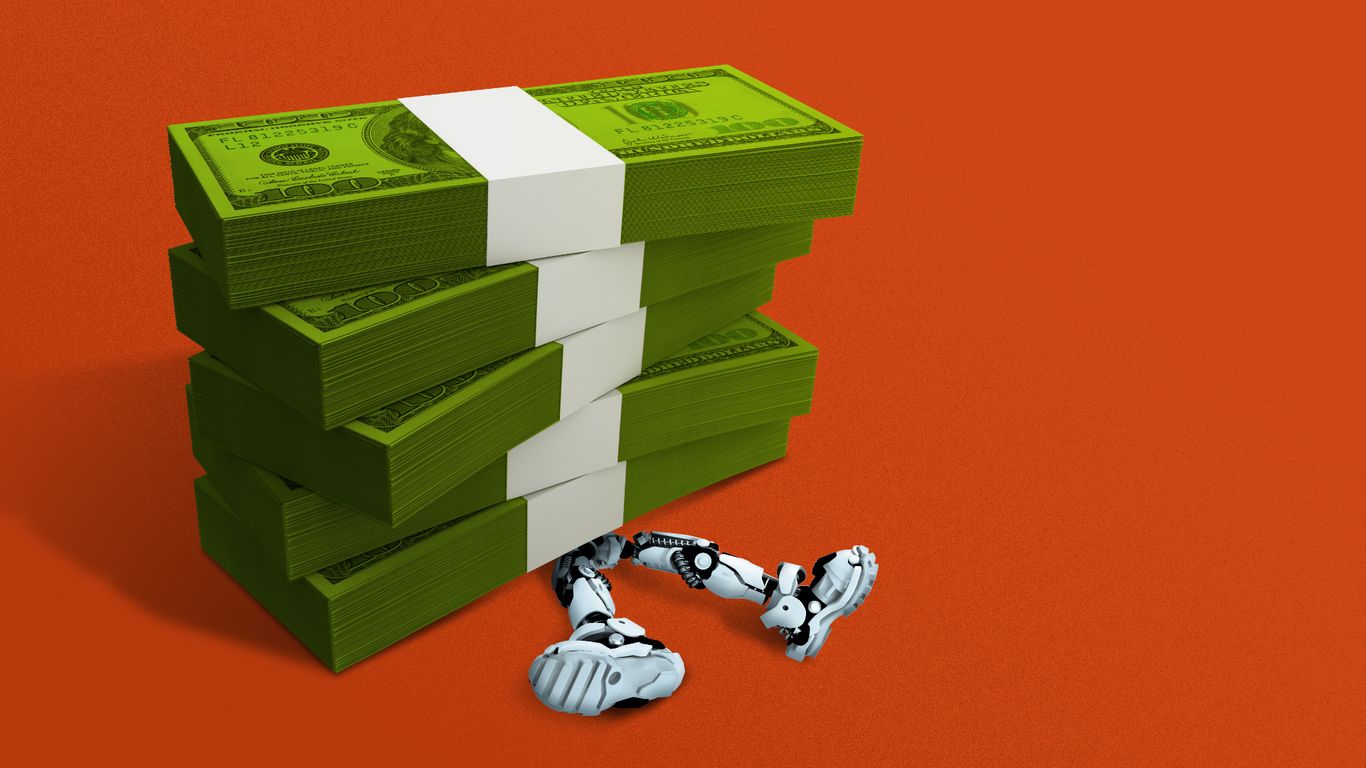
Tech giants mask AI debt through private lenders
Signals:
- →Tech giants using hidden debt (SPVs, private lenders) to fund AI spending, obscuring financial risk from investors.
- →Companies admitting AI investments may lack returns, yet continuing massive spending through off-balance-sheet financing.
- →Warning signs mirror dotcom and housing bubbles: excessive leverage, circular investing, and insider concerns about sustainability.

Big Tech's AI dominance threatens economic takeover
 Create a Podcast, Reach the World, Inspire People·Breaking the AI bubble: Big Tech plus AI equals economy takeover. Featuring Georg Zoeller, Centre for AI Leadership Co-Founder - Orchestrate all the Things - Podcast.co - Whether we like it or not, and despite tales of its powers being greatly exaggerated, the AI genie is out of the box. What does that mean, and what can we do about it?
In another twist of abysmal AI politics, OpenAI CEO Sam Altman just admitted that we are in an AI bubble, and AGI is losing relevance. You may find this baffling or hilarious, or you may be wondering where does that leave the AI influencer types.
But despite the absurdity, AI and the associated narrative have gotten way too important to dismiss. Connecting the dots to make sense of it all calls for long-standing experience in AI, engineering, business and beyond.
In other words, for people like Georg Zoeller: a seasoned software and business engineer experienced in frontier technology in the gaming industry and Facebook.
Zoeller has been using AI in his work dating back to the 2010’s, to the point where AI is now at the core of what he does. Zoeller is the VP of Technology of NOVI Health, a Singapore-based healthcare startup, as well as the Co-Founder of the Centre for AI Leadership and the AI Literacy & Transformation Institute.
In a wide-ranging conversation with Zoeller, we addressed everything from AI first principles to its fatal flaws and its place in capitalism.
Today, we discuss regulatory capture, copyright, the limits of the attention economy, the new AI religion, the builder's conundrum, how the AI-powered transformation of software engineering is a glimpse into the future of work, AI literacy and how to navigate the brave new world.
First part of the conversation: https://pod.co/orchestrate-all-the-things-podcast-connecting-the-dots-with-george-anadiotis/poking-holes-in-the-ai-narrative-market-signalling-and-outsourcing-featuring-georg-zoeller-centre-for-ai-leadership-co-founder
Article published on Orchestrate all the Things: https://linkeddataorchestration.com/2025/08/19/breaking-the-ai-bubble-big-tech-plus-ai-equals-economy-takeover/
Create a Podcast, Reach the World, Inspire People·Breaking the AI bubble: Big Tech plus AI equals economy takeover. Featuring Georg Zoeller, Centre for AI Leadership Co-Founder - Orchestrate all the Things - Podcast.co - Whether we like it or not, and despite tales of its powers being greatly exaggerated, the AI genie is out of the box. What does that mean, and what can we do about it?
In another twist of abysmal AI politics, OpenAI CEO Sam Altman just admitted that we are in an AI bubble, and AGI is losing relevance. You may find this baffling or hilarious, or you may be wondering where does that leave the AI influencer types.
But despite the absurdity, AI and the associated narrative have gotten way too important to dismiss. Connecting the dots to make sense of it all calls for long-standing experience in AI, engineering, business and beyond.
In other words, for people like Georg Zoeller: a seasoned software and business engineer experienced in frontier technology in the gaming industry and Facebook.
Zoeller has been using AI in his work dating back to the 2010’s, to the point where AI is now at the core of what he does. Zoeller is the VP of Technology of NOVI Health, a Singapore-based healthcare startup, as well as the Co-Founder of the Centre for AI Leadership and the AI Literacy & Transformation Institute.
In a wide-ranging conversation with Zoeller, we addressed everything from AI first principles to its fatal flaws and its place in capitalism.
Today, we discuss regulatory capture, copyright, the limits of the attention economy, the new AI religion, the builder's conundrum, how the AI-powered transformation of software engineering is a glimpse into the future of work, AI literacy and how to navigate the brave new world.
First part of the conversation: https://pod.co/orchestrate-all-the-things-podcast-connecting-the-dots-with-george-anadiotis/poking-holes-in-the-ai-narrative-market-signalling-and-outsourcing-featuring-georg-zoeller-centre-for-ai-leadership-co-founder
Article published on Orchestrate all the Things: https://linkeddataorchestration.com/2025/08/19/breaking-the-ai-bubble-big-tech-plus-ai-equals-economy-takeover/
Signals:
- →OpenAI CEO admits AI bubble exists, signaling potential market correction and investment risks.
- →Big Tech's AI dominance threatens economic concentration and regulatory capture across industries.
- →AI literacy and transformation strategies are critical for navigating workforce disruption.

How the AI bubble will pop and reshape the economy
Signals:
- →AI infrastructure spending ($400B+ annually) vastly exceeds revenue ($12B consumer spending), signaling unsustainable economics and potential market correction.
- →Massive AI capital concentration creates "death star" effect, starving other sectors like manufacturing of investment despite reshoring efforts.
- →Accounting tricks and off-balance-sheet vehicles mask true AI costs, echoing pre-2008 financial engineering that preceded previous bubbles.

Nvidia's AI spending spree creates risky circular economy
As the former’s chief executive, Jensen Huang, pumps billions of dollars into the supply chain, investors are finding their orthodoxies no longer hold water.

AI bubble threatens economic collapse, not superintelligence
 Pluralistic: Daily links from Cory Doctorow·Pluralistic: The real (economic) AI apocalypse is nigh (27 Sep 2025) – Pluralistic: Daily links from Cory Doctorow
Signals:
- →AI industry requires $800B-$2T in revenue to justify investments, but currently generates only $45B annually with catastrophic unit economics.
- →One-third of stock market value concentrated in seven unprofitable AI companies creates systemic economic collapse risk larger than historical bubbles.
- →Mass worker displacement through AI adoption will persist even after bubble bursts, leaving permanent labor market damage and unfilled positions.
OpenAI

ChatGPT reaches 800 million weekly active users
TechCrunch·6 October 2025·Sam Altman says ChatGPT has hit 800M weekly active users | TechCrunch - OpenAI CEO Sam Altman said Monday at Dev Day that ChatGPT has reached 800 million weekly active users, marking an increase of adoption among consumers, developers, enterprises, and governments.
Signals:
- →ChatGPT's 800 million weekly users demonstrates massive AI adoption across consumer and enterprise markets.
- →OpenAI's $500 billion valuation signals unprecedented investor confidence in AI infrastructure and applications.
- →Rapid product expansion and 4 million developers building on platform indicates shifting competitive landscape.

OpenAI partners with AMD in massive AI chip deal
Signals:
- →OpenAI's massive chip diversification away from Nvidia signals major AI infrastructure market shift worth tens of billions.
- →Deal includes warrants for 10% AMD stake, aligning long-term strategic interests between AI leader and chip manufacturer.
- →OpenAI's projected spending surge from $16B to $400B by 2029 reveals unprecedented AI infrastructure investment scale.

OpenAI launches apps inside ChatGPT, evolving toward an OS
The Verge·1 April 2025·OpenAI: all the news about the makers of ChatGPT | The Verge - Now what’s next for ChatGPT, Sam Altman, and Stargate? OpenAI’s latest updates are coming at today’s Dev Day 2025 event.
Signals:
- →ChatGPT evolving into an "operating system" with integrated apps transforms competitive landscape for software platforms.
- →OpenAI's $6.5B hardware acquisition with Jony Ive signals major expansion beyond software into consumer devices.
- →GPT-5 and new developer tools (AgentKit, Sora API) enable businesses to build AI-powered applications faster.

AMD secures massive OpenAI chip deal worth billions
TechCrunch·6 October 2025·AMD to supply 6GW of compute capacity to OpenAI in chip deal worth tens of billions | TechCrunch - AMD has signed a multi-year chip supply deal with OpenAI that could generate tens of billions in revenue for the chipmaker, helping accelerate its momentum in the AI industry.
Signals:
- →AMD secures tens of billions in potential revenue through massive 6-gigawatt chip supply agreement with OpenAI.
- →OpenAI gains option for 10% AMD stake, directly linking partnership success to AMD's stock performance.
- →Deal intensifies AI chip competition, positioning AMD as credible alternative to Nvidia's market dominance.

OpenAI pursues 10% AMD stake through massive chip deal
Financial Times·6 October 2025·OpenAI targets 10% AMD stake via multibillion-dollar chip deal - Latest circular transaction aims to make ChatGPT maker central to the effort to build a huge AI infrastructure
Signals:
- →OpenAI commits to over $1 trillion in AI infrastructure deals, raising questions about financing feasibility.
- →AMD secures potential 10% stake and tens of billions in revenue from OpenAI chip purchases.
- →Circular deal structure mirrors dotcom bubble concerns amid uncertain data center financing and power availability.

OpenAI and Jony Ive struggle with screen-less AI device
TechCrunch·5 October 2025·OpenAI and Jony Ive may be struggling to figure out their AI device | TechCrunch - OpenAI and Jony Ive reportedly face significant technical challenges as they work to develop a screen-less, AI-powered device.
Signals:
- →$6.5B OpenAI-Jony Ive device partnership faces technical delays beyond planned 2026 launch timeline.
- →"Always-on" screenless AI device raises unresolved privacy concerns and user interaction challenges.
- →Infrastructure and personality issues threaten viability of next-generation AI hardware investment.

OpenAI becomes world's most valuable startup at $500bn
Financial Times·2 October 2025·OpenAI overtakes SpaceX after hitting $500bn valuation - The artificial intelligence start-up has overtaken Elon Musk’s SpaceX as most valuable privately owned company
Signals:
- →OpenAI becomes world's most valuable private company at $500bn, surpassing SpaceX's $400bn valuation.
- →Strong investor demand signals massive capital flows into AI sector with trillion-dollar potential.
- →OpenAI's revenue surge to $12bn demonstrates rapid AI commercialization and market adoption.

OpenAI researchers question Sora app's alignment with mission
TechCrunch·1 October 2025·OpenAI staff grapples with the company's social media push | TechCrunch - Current and former OpenAI researchers seem torn over how the company's Sora app fits in with its broader mission.
Signals:
- →OpenAI's mission-profit tension intensifies as researchers question whether AI social media aligns with nonprofit charter.
- →Regulatory scrutiny increases as California AG examines OpenAI's for-profit transition and commitment to safety mission.
- →Engagement-optimization risks emerge as Sora adopts addictive social media features despite stated intentions otherwise.

Samsung partners with OpenAI for Stargate chip production
The Verge·1 October 2025·Samsung, SK Hynix partner with OpenAI to deliver chips for Stargate | The Verge - The South Korean companies will scale chip production to meet the growing compute needs for OpenAI’s advanced AI models.
Signals:
- →OpenAI secures massive chip supply: 900,000 semiconductor wafers monthly from Samsung and SK Hynix.
- →Strategic expansion includes potential South Korean data centers and innovative floating facilities.
- →Signals intensifying AI infrastructure competition and significant capital investment requirements industry-wide.
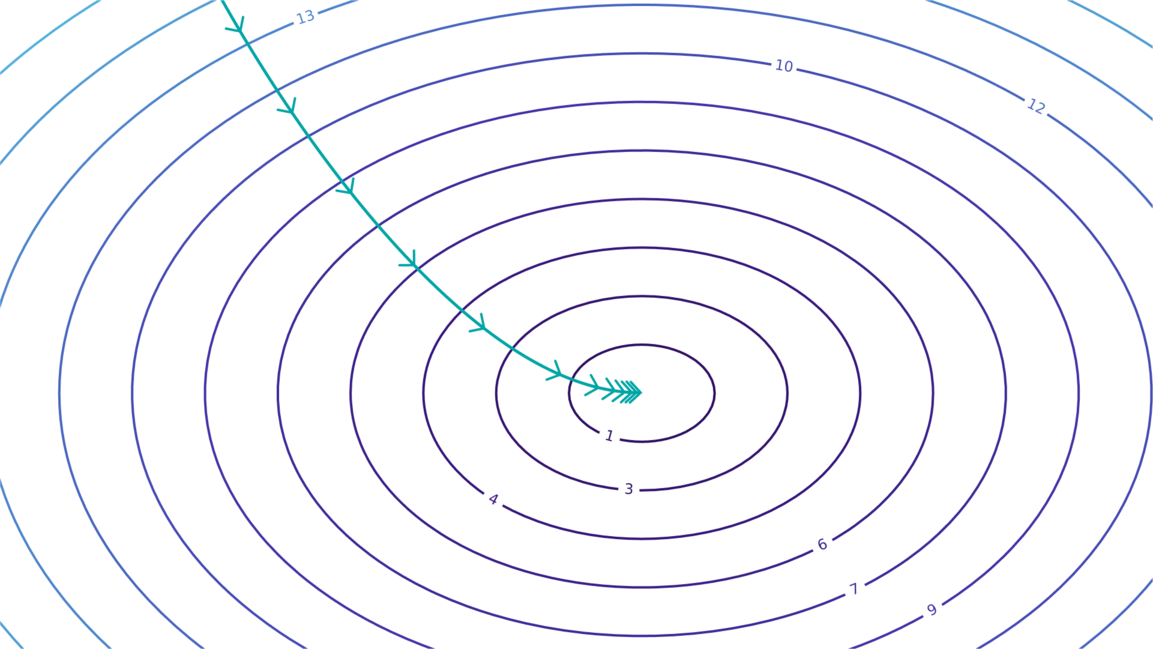
OpenAI could deploy 7 million AI digital workers
 Epoch AI·3 October 2025·How many digital workers could OpenAI deploy? | Epoch AI - OpenAI has the inference compute to deploy tens of millions of digital workers, but only on a narrow set of tasks – for now.
Signals:
- →Quantifies AI's potential economic impact: estimates OpenAI could deploy 7 million digital workers, comparable to world's largest employer.
- →Shows AI automation cost advantage: tasks costing $50-100 for humans cost $1-10 with AI, creating strong replacement incentives.
- →Reveals AI research acceleration risk: 7 million workers concentrated in AI R&D could rapidly advance capabilities beyond current researcher population.

OpenAI closes $6.6B secondary sale at $500B valuation
SiliconANGLE·2 October 2025·OpenAI reportedly closes new $6.6B secondary sale at $500B valuation - SiliconANGLE - OpenAI reportedly closes new $6.6B secondary sale at $500B valuation - SiliconANGLE
Signals:
- →OpenAI reaches $500B valuation, becoming highest-valued private company ever, signaling massive AI market confidence.
- →Plans $350B server rental spending through 2030, raising critical profitability and sustainability questions.
- →Higher valuation enables cheaper all-stock acquisitions, strengthening competitive position in AI consolidation race.

Google blocks AI searches for Trump and dementia queries
The Verge·30 September 2025·Google is blocking AI searches for Trump and dementia | The Verge - Google does not show AI search results for the query “does trump show signs of dementia” even though it will show AI search results for similar searches about other presidents.
Signals:
- →Google inconsistently blocks AI-generated responses about Trump's mental health while providing them for other presidents.
- →Raises concerns about potential political bias or pressure following Google's $24.5 million settlement with Trump.
- →Highlights ongoing challenges with AI content moderation and corporate responses to political sensitivities.
Microsoft

Microsoft CTO aims to replace AMD, Nvidia GPUs with Maia chips

Signals:
- →Microsoft plans to replace most AMD/Nvidia GPUs with homegrown Maia accelerators for cost optimization.
- →Shift signals major competitive threat to GPU suppliers' datacenter revenue streams.
- →Custom silicon strategy mirrors Amazon/Google, potentially reshaping AI infrastructure market dynamics.
Apple

Apple shifts focus to smart glasses, delays lighter Vision Pro
The Verge·1 October 2025·Apple sidelines lighter Vision Pro to prioritize smart glasses | The Verge - Apple is speeding up work on smart glasses that would compete with similar offerings from Meta and halting plans for a lighter Vision Pro headset, Bloomberg reports.
Signals:
- →Apple delays lighter Vision Pro to prioritize smart glasses, risking competitive disadvantage against Meta's established market presence.
- →Strategic pivot signals Apple betting on AI-powered wearables over VR headsets for future growth and consumer adoption.
- →Timeline shows Apple won't launch smart glasses until 2027, creating three-year gap behind Meta's current product lineup.
Meta

Meta nears settlement in Nigeria data protection case
Semafor·6 October 2025·Meta to settle data protection lawsuit with Nigeria | Semafor - Nigeria’s data watchdog had imposed a nearly $33 million fine on the Silicon Valley giant.
Signals:
- →Meta settling $33M Nigerian data protection fine signals regulatory compliance shift in crucial African market.
- →Nigeria's enforcement success may embolden other African nations to pursue tech giant accountability.
- →Separate $220M fine upheld demonstrates sustained regulatory pressure on Meta's African operations.

Meta to use AI chatbot conversations for targeted advertising
TechCrunch·1 October 2025·Meta plans to sell targeted ads based on data in your AI chats | TechCrunch - Meta plans to use data from your interactions with AI products to sell targeted ads on Facebook and Instagram.
Signals:
- →Meta monetizing free AI products through ad targeting affects billion+ monthly users globally starting December 16.
- →AI interaction data from chatbots, smart glasses, and images creates powerful new advertising revenue stream.
- →No opt-out available; competitors like OpenAI and Google pursuing similar AI monetization strategies industry-wide.
xAI

xAI to spend $18B+ on Nvidia chips for Colossus 2
SiliconANGLE·6 October 2025·Elon Musk's xAI reportedly will spend $18B+ more on Nvidia chips for Colossus 2 data center - SiliconANGLE - Elon Musk's xAI reportedly will spend $18B+ more on Nvidia chips for Colossus 2 data center - SiliconANGLE
Signals:
- →xAI's $18B+ chip purchase signals massive AI infrastructure investment and competitive intensity in the sector.
- →Facility will consume more power than Memphis homes, highlighting AI's enormous energy and resource demands.
- →Company expects $13B loss this year despite expansion, indicating high capital requirements for AI competition.

Elon Musk's Grokipedia to launch beta in two weeks
 CoinTelegraph·6 October 2025·Elon Musk Says Wikipedia Competitor Grokipedia Will Launch in Two Weeks - Elon Musk announces that Grokipedia beta will launch in 2 weeks. The xAI project, designed as a Wikipedia competitor, aims to use AI to correct misinformation.
Signals:
- →Musk launching Wikipedia competitor in two weeks, potentially disrupting trusted information sources and verification methods.
- →Platform aims to counter alleged misinformation using AI, raising questions about content accuracy and editorial control.
- →Expansion into knowledge management and gaming signals xAI's growing influence across multiple information sectors.
Thinking Machines

Mira Murati's startup launches tool to automate AI fine-tuning
Signals:
- →Former OpenAI leadership launches tool democratizing access to frontier AI model customization capabilities.
- →$12 billion valued startup enables businesses and researchers to fine-tune advanced models without expensive infrastructure.
- →Reinforcement learning automation could shift competitive landscape as China leads in open-source AI development.
Intel
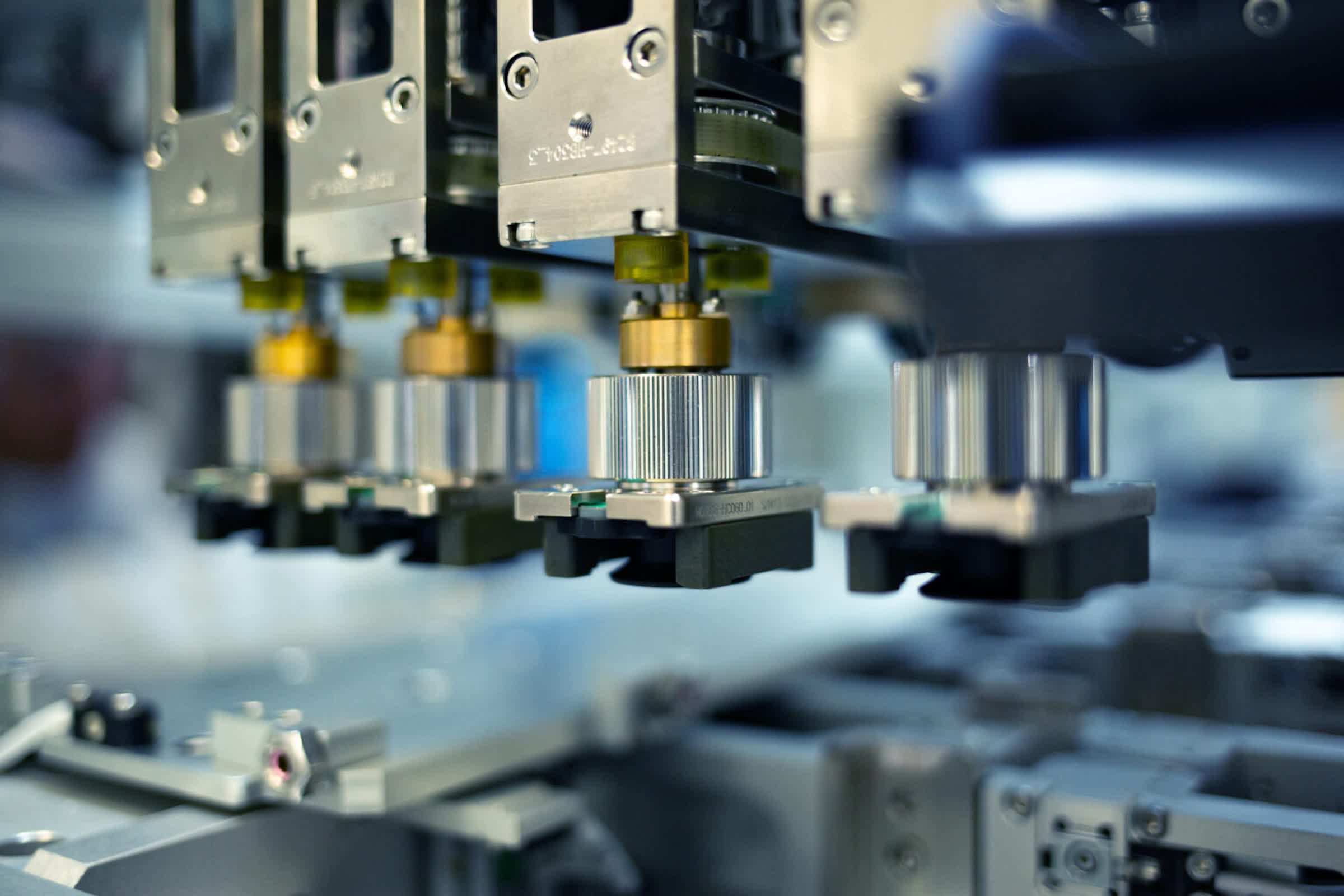
Intel and AMD discuss chip manufacturing partnership deal
Signals:
- →Intel-AMD manufacturing partnership could reshape semiconductor industry competitive dynamics and supply chain strategies.
- →Deal reflects US government pressure for domestic chip production tied to national security concerns.
- →Validates Intel's struggling foundry business while providing AMD political cover and supply diversification.
🆕 AI releases

ChatGPT integrates Spotify, Zillow, and Canva apps
The Verge·6 October 2025·ChatGPT apps are live: Here are the first ones you can try | The Verge - OpenAI has announced that you can now use apps directly within ChatGPT, including Spotify, Zillow, Canva, and more. Here’s a list of all the ChatGPT apps you can try today.
Signals:
- →OpenAI integrates third-party apps into ChatGPT, creating new AI-powered service delivery channels.
- →Major brands (Spotify, Zillow, Uber, Target) gain direct access to ChatGPT's massive user base.
- →Platform expansion threatens traditional app ecosystems by centralizing services within AI interface.

OpenAI launches interactive apps inside ChatGPT for developers
TechCrunch·6 October 2025·OpenAI launches apps inside of ChatGPT | TechCrunch - OpenAI is launching a new way for developers to build applications that appear directly inside of ChatGPT's conversations.
Signals:
- →OpenAI integrates third-party apps directly into ChatGPT, creating new distribution channel for developers.
- →Platform enables interactive, personalized applications accessible through natural language commands during conversations.
- →Raises strategic questions about data privacy, app selection algorithms, and future monetization opportunities.
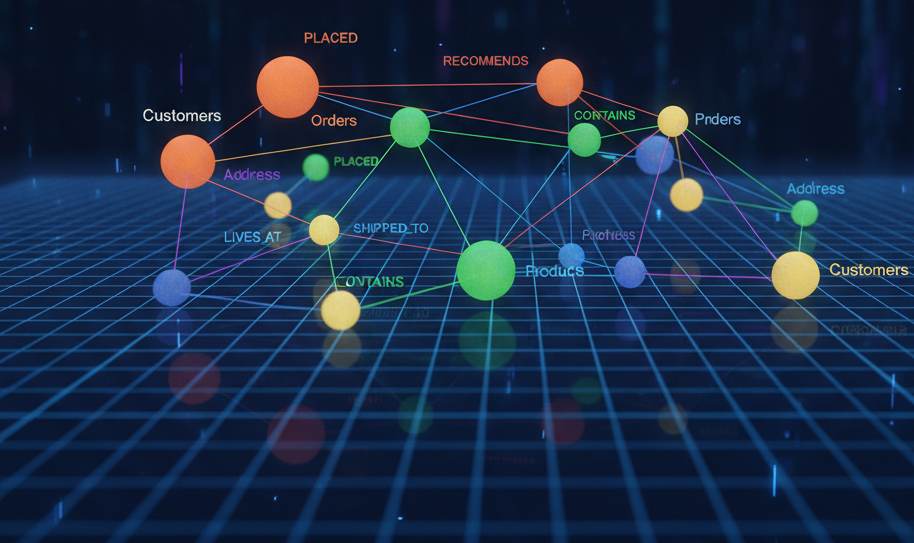
Neo4j invests $100M to become default AI knowledge layer
SiliconANGLE·2 October 2025·Neo4j Launches agent builder, MCP server and startup program backed by $100M investment - SiliconANGLE - Neo4j Launches agent builder, MCP server and startup program backed by $100M investment - SiliconANGLE
Signals:
- →Neo4j investing $100M to position graph databases as essential infrastructure for enterprise AI agents requiring contextual reasoning and memory.
- →New tools simplify building AI agents on enterprise data, addressing critical challenge of moving AI beyond pilot projects.
- →Over 1,000 AI startups expected to adopt platform within 12 months, signaling major industry shift toward graph-based AI systems.

Microsoft adds animated human avatars to Copilot voice chats
The Verge·30 September 2025·Microsoft is giving Copilot AI faces you can chat with | The Verge - Microsoft is trying to make Copilot more approachable by giving the AI assistant an animated face to talk with
Signals:
- →Microsoft introduces human-like avatars for Copilot to increase user comfort and adoption of AI voice interactions.
- →Feature uses advanced VASA-1 technology, demonstrating Microsoft's competitive positioning against rivals like X's Grok chatbot.
- →Implementation includes safety restrictions and age limits, reflecting growing regulatory concerns around AI chatbot interactions.

Wan2.2 introduces MoE architecture for faster video generation

Signals:
- →Wan2.2 introduces MoE architecture achieving 27B total parameters with only 14B active, maintaining inference costs while improving video quality.
- →Supports efficient 720P@24fps video generation on consumer GPUs (4090), enabling both industrial deployment and academic research applications.
- →Outperforms leading closed-source commercial models across multiple dimensions with open-source Apache 2.0 licensing for unrestricted commercial use.
IBM launches Granite 4.0 with hybrid Mamba architecture
Signals:
- →Granite 4.0 reduces GPU memory requirements by 70% and runs on cheaper hardware, significantly lowering AI deployment costs.
- →First open-source language models achieving ISO 42001 certification, ensuring enterprise-grade security, governance, and regulatory compliance.
- →Hybrid Mamba-transformer architecture delivers competitive performance with smaller models, enabling cost-effective agentic AI workflows.

Microsoft adds AI Agent Mode to Office with Anthropic models
Signals:
- →Microsoft integrates multiple AI models (OpenAI's GPT-5 and Anthropic) into Office, creating advanced automation capabilities for enterprise productivity.
- →Agent Mode achieves 57% accuracy on complex spreadsheet tasks, approaching human expert performance while enabling non-experts to create sophisticated documents.
- →Rollout begins today for US subscribers, positioning Microsoft to maintain competitive advantage in the rapidly commoditizing productivity AI market.

Opera launches AI browser Neon with agentic features
TechCrunch·30 September 2025·Opera launches its AI-centric Neon browser | TechCrunch - Neon will write code snippets and includes an agent that will do tasks for you. The browser will also handle repeatable prompts.
Signals:
- →Opera launches $19.99/month AI browser competing with Perplexity and Google in emerging agentic browsing market.
- →Browser automates complex tasks like summarizing content and posting to Slack using browsing history context.
- →Subscription model targets power users, testing willingness to pay for AI-enhanced productivity tools.
DeepSeek launches V3.2-Exp model, cuts API costs 50%
Panda Daily·DeepSeek’s New Release! API Costs Slashed by Over 50% - Pandaily - The team led by DeepSeek founder Wenfeng Liang has launched a new experimental model, DeepSeek-V3.2-Exp, on September 29, marking a significant step in explorin...
Signals:
- →DeepSeek slashes API costs by over 50%, significantly reducing operational expenses for AI implementations.
- →New sparse attention mechanism dramatically improves long-text processing efficiency while maintaining output quality.
- →Open-source release with multi-platform support accelerates competitive pressure in domestic AI market consolidation.

GLM-4.6 released with 200K context and improved coding
 Free AI powered by GLM-4.6 & GLM-4.5·GLM-4.6: Advanced Agentic, Reasoning and Coding Capabilities
Signals:
- →GLM-4.6 expands context window to 200K tokens with superior coding and reasoning capabilities over previous versions.
- →Achieves competitive performance against leading models like DeepSeek-V3.2 and Claude Sonnet 4 at significantly lower cost.
- →Offers 15% better token efficiency while maintaining near-parity with premium models in real-world coding tasks.

Perplexity launches Search API for developers
Signals:
- →Perplexity launches Search API, democratizing access to hundreds of billions of indexed webpages for developers.
- →API offers superior accuracy, real-time indexing, and AI-optimized retrieval at competitive pricing for enterprise applications.
- →Enables rapid AI application development with structured responses and fine-grained content snippets for better context.

Generative AI discovers new antiferromagnets for ultrafast spintronics
Signals:
- →AI framework accelerates discovery of antiferromagnetic materials for next-generation ultrafast, high-density spintronic devices.
- →Method systematically identifies stable semiconducting and metallic antiferromagnets beyond known prototypes, overcoming traditional search limitations.
- →Modular pipeline combines generation, prediction, and validation, offering reproducible approach adaptable to other material classes.
🥼 AI research

AI designs genome-editing proteins better than nature
 Phys.org·2 October 2025·Generative AI can outperform nature at designing proteins to edit the genome - Researchers at Integra Therapeutics, in collaboration with the Pompeu Fabra University (UPF) Department of Medicine and Life Sciences (MELIS) and the Center for Genomic Regulation (CRG), have designed and experimentally validated new synthetic proteins that can edit the human genome more efficiently than proteins provided by nature.
Signals:
- →AI-designed proteins edit human genomes more efficiently than natural proteins, advancing gene therapy capabilities.
- →Discovery of 13,000 new transposases expands treatment options for cancer and rare diseases significantly.
- →Generative AI accelerates therapeutic development, reducing costs and time for personalized medicine applications.

Dragon Hatchling bridges Transformers and brain models with local graph dynamics

Signals:
- →**Introduces BDH architecture bridging Transformers and brain models**, enabling interpretable reasoning with biological plausibility and state-of-the-art performance.
- →**Demonstrates scale-free, modular neural networks emerge naturally**, providing theoretical foundations for understanding model behavior and generalization over time.
- →**Achieves monosemantic synapses and sparse activation**, offering unprecedented interpretability of model state during inference for safer AI deployment.

Wikipedia survives ChatGPT but struggles with AI scrapers
TechXplore·1 October 2025·Wikipedia weathers AI challenges but faces new pressures from data scrapers: Study - ChatGPT has not decreased activity on the world's largest online encyclopedia, but AI data scrapers and the influence of large language models still cast a shadow over its future, research suggests.
Signals:
- →AI scrapers dramatically increase Wikipedia's server costs, threatening the platform's sustainability and free-access model.
- →Wikipedia loses web traffic as AI summaries use its data without proper attribution or compensation.
- →New agreements needed between AI companies and data providers to protect critical information resources.

Wikipedia launches AI-friendly database with semantic search capabilities
TechCrunch·1 October 2025·New project makes Wikipedia data more accessible to AI | TechCrunch - Called the Wikidata Embedding Project, the system applies a vector-based semantic search to the existing data on Wikipedia and its sister platforms, consisting of nearly 120 million entries.
Signals:
- →Wikipedia's 120M entries now accessible to AI via semantic search, improving model accuracy and reliability.
- →High-quality training data increasingly scarce and expensive; Wikipedia offers verified, fact-oriented alternative to web scraping.
- →Open-source approach challenges Big Tech's AI data monopoly, enabling broader developer access without licensing costs.

AI could automate 26% of creative industry tasks
TechXplore·30 September 2025·AI could automate up to 26% of tasks in art, design, entertainment and the media - Artificial intelligence is transforming the creative process. AI can not only generate complex texts, high-quality images, and videos in just a few minutes. It can also support creative thinking and act as a research tool ...
Signals:
- →AI could automate 26% of creative industry tasks, requiring workforce adaptation and strategic planning.
- →Performance expectancy, support resources, and brand trust drive AI adoption in creative sectors.
- →Cultural resistance, financial constraints, and training needs create significant barriers to AI implementation.

Cognition rebuilds Devin for Claude Sonnet 4.5
 Cognition·Cognition | Rebuilding Devin for Claude Sonnet 4.5: Lessons and Challenges - We rebuilt Devin for Claude Sonnet 4.5.
The new version is 2x faster, 12% better on our Junior Developer Evals, and it's available now in Agent Preview. For users who prefer the old Devin, that remains available.
Cognition·Cognition | Rebuilding Devin for Claude Sonnet 4.5: Lessons and Challenges - We rebuilt Devin for Claude Sonnet 4.5.
The new version is 2x faster, 12% better on our Junior Developer Evals, and it's available now in Agent Preview. For users who prefer the old Devin, that remains available.
Signals:
- →Claude Sonnet 4.5 delivers 2x speed improvement and 12% better performance, directly impacting development productivity and costs.
- →Model exhibits context-window awareness requiring architectural changes, affecting how organizations design and deploy AI agent systems.
- →New parallel execution and self-verification capabilities enable more autonomous coding agents, reshaping software development workflows and team structures.

AI creates workforce paradox: too many workers, not enough skills
Signals:
- →AI is creating simultaneous workforce overcapacity (up to 30% by 2028) and critical skill shortages (94% of leaders affected).
- →Companies must urgently reskill employees and redesign roles for human-AI collaboration to remain competitive.
- →Organizations integrating AI with workforce strategy gain efficiency and resilience; those delaying risk falling behind competitors.

AI systems could autonomously work for months by 2030
 Exponential View | Azeem Azhar | Substack·🔮 The only AI curve that matters - What 99%-reliable AI could look like by 2030
Signals:
- →AI systems could autonomously handle month-long strategic projects by 2029, fundamentally disrupting traditional management structures and workforce development.
- →Task automation costs will collapse from dollars to cents per action at 99% reliability, enabling radical operational efficiency gains.
- →Organizations must immediately redesign training, oversight processes, and operating cadences to prepare for exponentially increasing AI autonomy.

AI-designed proteins evade biosecurity screening, prompting urgent patches
Advances in artificial intelligence (AI)–assisted protein engineering are enabling breakthroughs in the life sciences but also introduce new biosecurity challenges. Synthesis of nucleic acids is a choke point in AI-assisted protein engineering pipelines. ...

AI isn't replacing radiologists
 The Works in Progress Newsletter | Substack·AI isn't replacing radiologists - Radiology combines digital images, clear benchmarks, and repeatable tasks. But demand for human radiologists is ay an all-time high.
Radiology combines digital images, clear benchmarks, and repeatable tasks. But demand for human radiologists is ay an all-time high.
Can We Trust AI to Govern AI? Benchmarking LLM Performance on Privacy and AI Governance Exams
Signals:
- →Leading AI models now exceed human certification standards in privacy law and AI governance, demonstrating readiness for compliance support roles.
- →Performance gaps reveal specific weaknesses in privacy program management, indicating where AI assistance requires human oversight and validation.
- →Cost-efficient models underperform significantly, suggesting organizations must invest in premium AI systems for high-stakes regulatory work.
🔮[Weak] signals
Consumer Tech

Google's developer registration rules threaten F-Droid and open-source app stores
Signals:
- →Google's mandatory developer registration threatens to eliminate open-source Android app stores like F-Droid.
- →New requirements impose fees and ID verification, potentially ending 15 years of alternative app distribution.
- →Policy shift reduces platform diversity while strengthening Google's mobile app marketplace monopoly position.
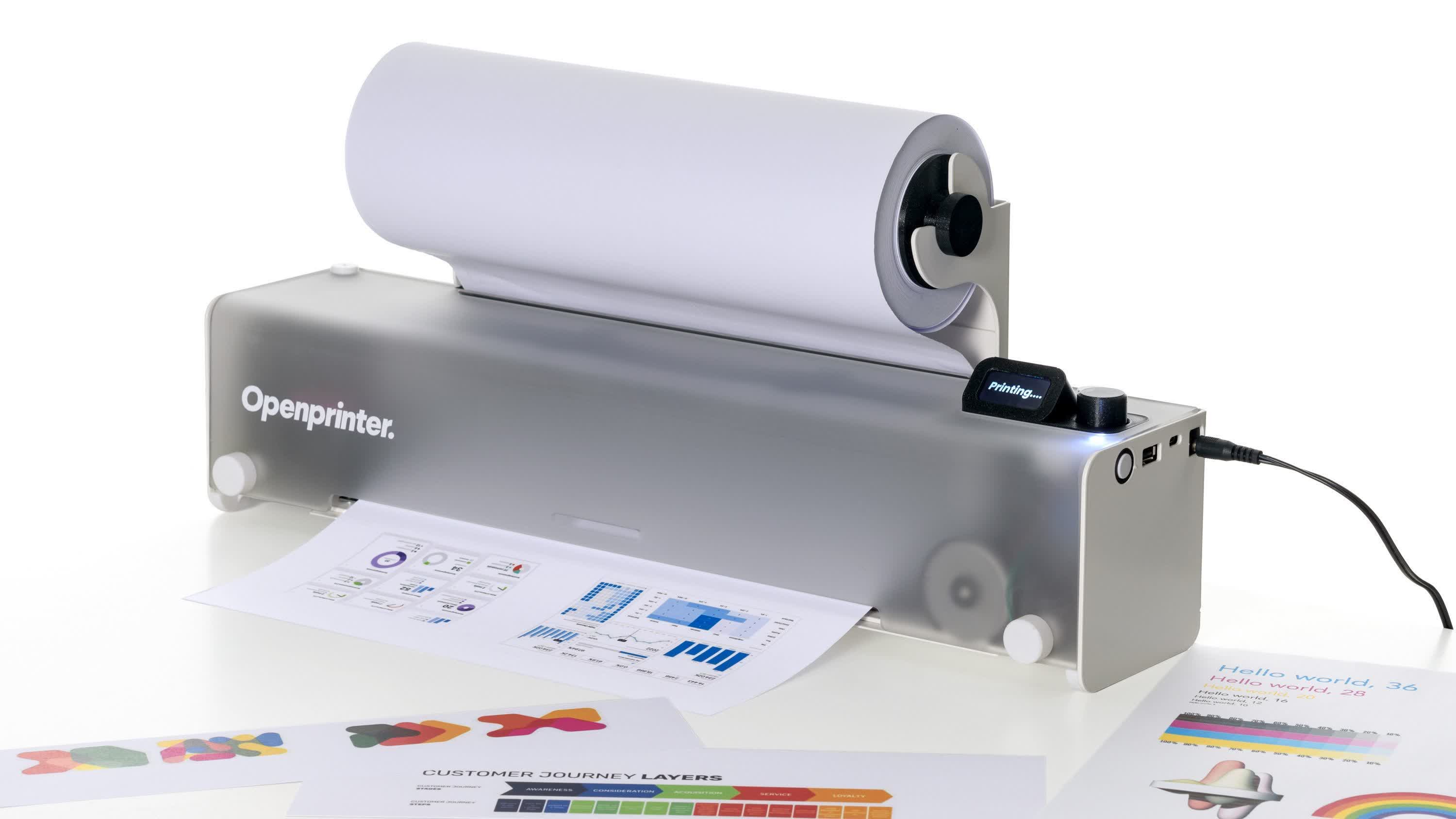
Open Printer offers DRM-free ink and full repairability
Signals:
- →Open-source printer eliminates DRM restrictions and subscription costs that plague major manufacturers like HP.
- →Repairable design with Creative Commons licensing enables longer product lifespan and reduced replacement costs.
- →Compatible with refillable cartridges, significantly reducing ongoing operational expenses for organizations.
Cloud Computing
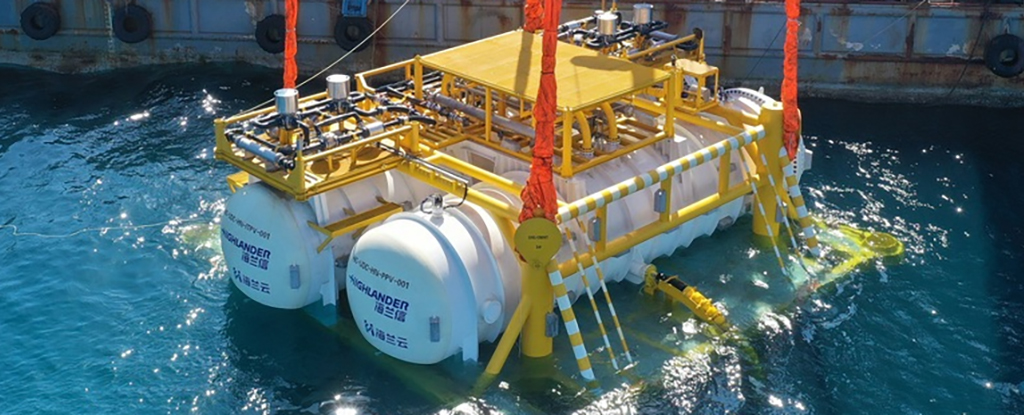
China submerges data centers underwater to cut cooling energy
Signals:
- →Underwater data centers can reduce cooling energy consumption by approximately 90% compared to traditional facilities.
- →China launching world's first commercial underwater server deployment in mid-October for major telecom clients.
- →Significant scalability concerns remain due to thermal pollution risks and unknown marine ecosystem impacts.

China to deploy commercial underwater data center off Shanghai
Interesting Engineering·3 October 2025·China to sink servers off Shanghai in underwater data center trial - China prepares to sink a server capsule off Shanghai, aiming to cut cooling costs, powered mostly by offshore wind farms and renewables.
Signals:
- →China deploying world's first commercial underwater data center, claiming 90% cooling energy savings versus traditional facilities.
- →Powered by offshore wind farms, addressing AI's surging infrastructure demands with potentially scalable renewable solution.
- →Environmental risks uncertain as heat discharge effects on marine ecosystems remain understudied at commercial scale.
Cybersecurity

Gmail rolls out end-to-end encryption for Workspace users
Signals:
- →Gmail's end-to-end encryption simplifies secure communications but requires paid Workspace Enterprise Plus accounts.
- →External recipients can access encrypted emails without key exchange, reducing implementation complexity.
- →Feature rolls out September 30, giving enterprise customers competitive advantage in data security compliance.

High-performance mice can spy on users via AI
Signals:
- →High-performance mice can be exploited to capture speech through desk vibrations using AI processing.
- →Attack works through compromised software collecting legitimate mouse data, making detection extremely difficult.
- →Demonstrates new AI-enabled privacy vulnerability requiring security policy updates and hardware countermeasures.
Robotics

Modular exoskeleton lets hikers swap hip or knee assistance
 New Atlas·1 October 2025·Modular exoskeletons enhance hiking and outdoor activities - Discover Ascentiz's modular exoskeletons for hiking, jogging, and more, offering enhanced mobility and reduced fatigue for outdoor enthusiasts.
Signals:
- →Modular exoskeleton offers customizable mobility assistance for diverse outdoor activities and physical needs.
- →Technology reduces physical strain by 30% and enhances performance, expanding workforce capabilities.
- →Growing assistive technology market presents investment opportunities; product ships December 2025.

Russia converts Chinese ATVs into remote-controlled battlefield robots
Interesting Engineering·1 October 2025·Russia turns Chinese 'golf carts' into remote-controlled war robots - Russia is converting Chinese-made Desertcross into battlefield robots, using them for logistics and frontline assaults in Ukraine
Signals:
- →Russia converts cheap Chinese ATVs into remote-controlled cable-layers, reducing soldier casualties on Ukrainian frontlines.
- →Modified vehicles lay 5km fiber-optic cables through hostile terrain, maintaining secure communications while minimizing troop exposure.
- →Demonstrates cost-effective battlefield innovation using commercial components amid industrial strain and heavy military losses.
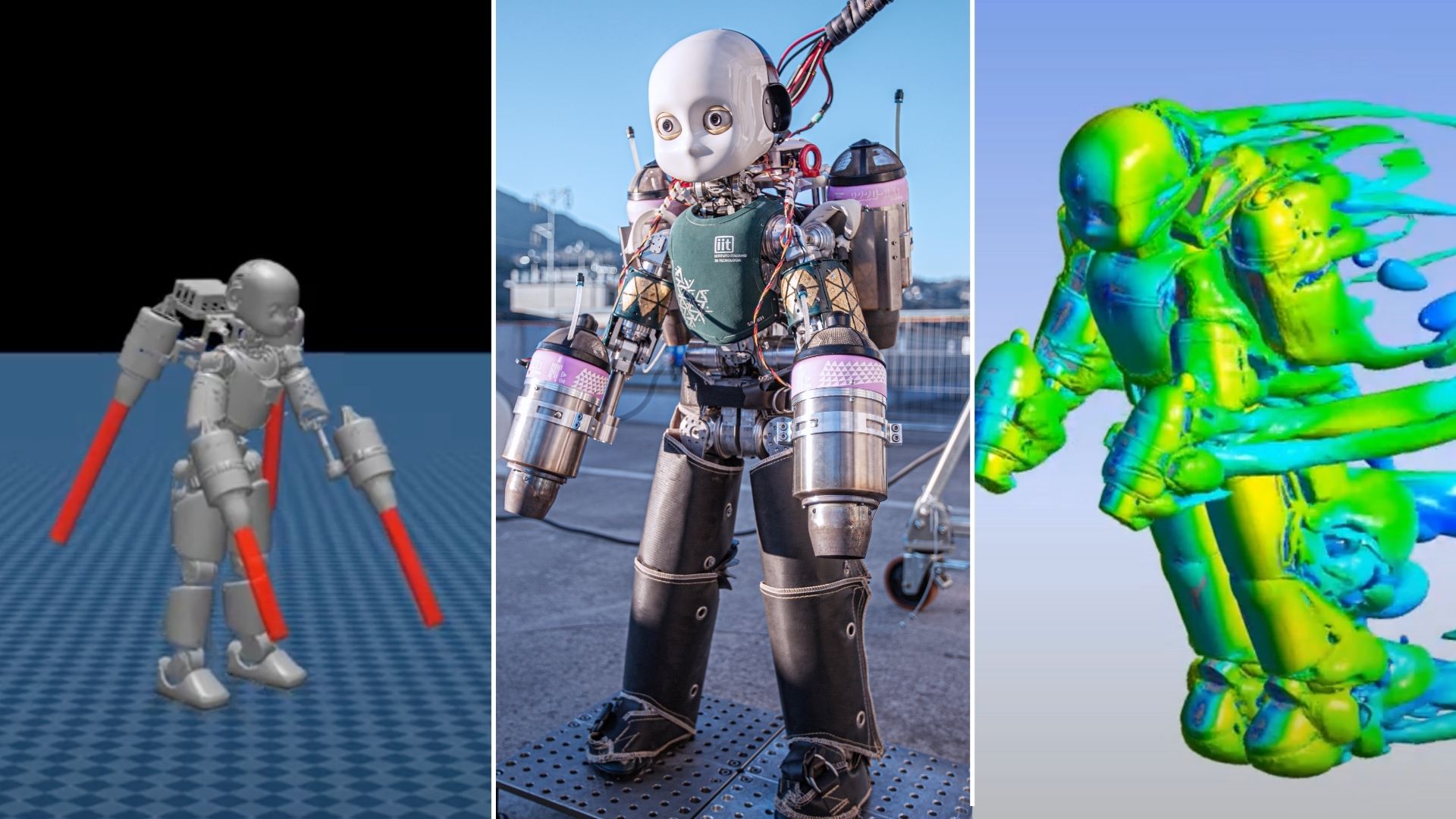
Jet-powered humanoid robot achieves stable flight in simulations
Interesting Engineering·1 October 2025·Jet-powered robot baby shows robust flight control in simulations - Jet-powered humanoid iRonCub achieves simulated flight stability, paving the way for disaster-response and advanced robotics applications.
Signals:
- →Jet-powered humanoid robots could revolutionize disaster response by combining flight and ground manipulation capabilities.
- →New multirate control framework solves critical challenge of coordinating fast joints with slow jet engines.
- →Technology has immediate applications beyond humanoids, including eVTOL aircraft and directed-thrust vehicle development.

Robots accelerate solar panel installation at Australian farm
Signals:
- →Robots completed installation of 500,000 solar panels ahead of schedule, demonstrating significant efficiency gains in renewable energy construction.
- →Autonomous systems reduce labor costs and construction time, potentially lowering energy costs for consumers and enabling more solar projects.
- →First international deployment of US robotics technology creates comprehensive open-source dataset to accelerate global solar industry adoption.
Autonomy and Drones

Drones swap tools mid-air with sub-centimeter precision
Interesting Engineering·6 October 2025·Chinese team develops drones that exchange tools while flying - Chinese researchers develop FlyingToolbox, a drone system that swaps tools mid-flight with sub-centimeter accuracy under heavy airflow.
Signals:
- →Enables drones to perform complex collaborative tasks in dangerous environments like disaster zones and high-rise maintenance.
- →Achieves unprecedented sub-centimeter docking precision, dramatically improving on previous six-to-eight centimeter accuracy standards.
- →Creates coordinated aerial workforces capable of tool-sharing and labor division for missions beyond individual drone capabilities.
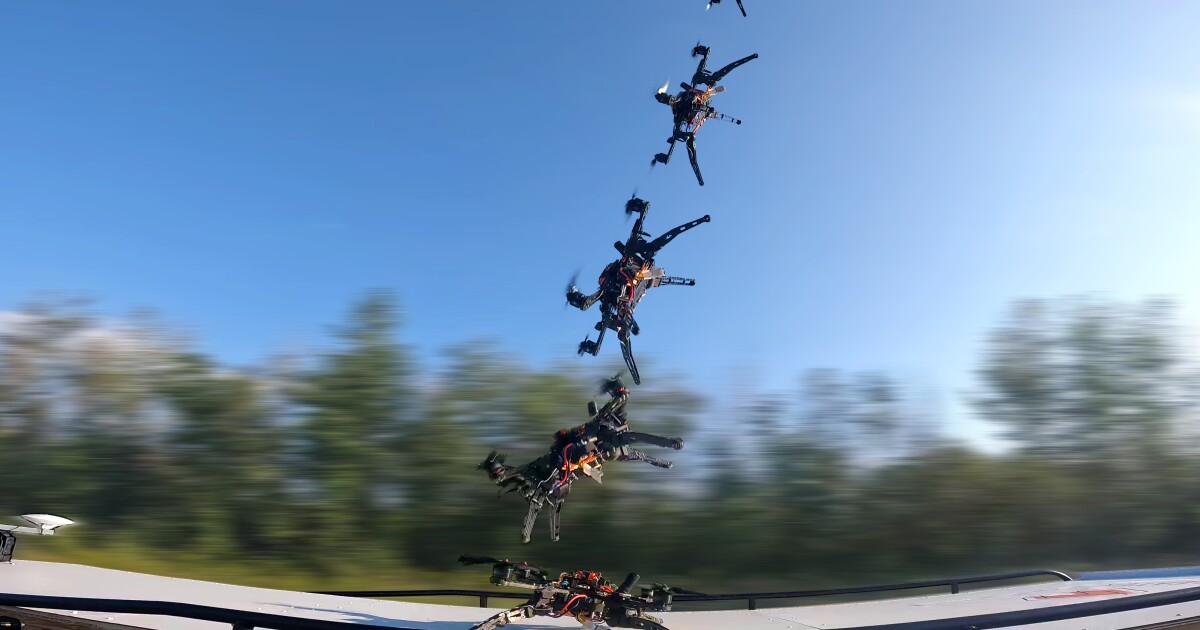
Drone lands on trucks moving at 110 km/h
New Atlas·5 October 2025·Drone lands on moving trucks at 110 km/h with ease - Discover how drones can land on moving vehicles at 110 km/h, enhancing military and delivery applications with innovative technology.
Signals:
- →Enables military reconnaissance drones to land on moving vehicles at highway speeds without stopping.
- →Solves critical operational problem of drone recovery during high-speed mobile operations.
- →Expands UAV applications through reliable landing technology in challenging conditions.

China's unmanned submersibles use zero-radius turning to evade sonar
Interesting Engineering·4 October 2025·China's new drone submersible can evade enemy sonar detection - A new study in a Chinese defense journal points to unmanned underwater systems that could reshape naval warfare.
Signals:
- →China's stealth submersibles can autonomously blockade shipping lanes and launch coordinated saturation attacks undetected.
- →Zero-radius turning and sub-90 decibel operation enable evasion of sonar in contested maritime zones.
- →AI-driven swarm capabilities could decisively shift naval power balance and complicate Taiwan Strait scenarios.

Amazon resumes drone deliveries after two crash into crane
Signals:
- →Amazon drone crashes highlight critical safety risks in commercial autonomous delivery operations.
- →Incident demonstrates technology limitations in detecting moving obstacles despite advanced avoidance systems.
- →Regulatory investigations may impact drone delivery expansion timelines and operational requirements industry-wide.

DoorDash unveils Dot, a four-wheeled autonomous delivery robot
Signals:
- →DoorDash enters autonomous delivery hardware market with proprietary robot, intensifying competition with Uber and startups.
- →Dot handles larger orders (30 lbs) and longer suburban routes, potentially reducing delivery costs and expanding service capabilities.
- →Company hiring ex-GM Cruise engineers signals serious long-term investment in automation technology and infrastructure.

Surfboard-sized robot captures first-ever data inside Category 5 hurricane
Interesting Engineering·1 October 2025·Tiny ocean robot captures first-ever data inside Category 5 hurricane - A tiny wind-powered ocean robot became the first uncrewed vessel to capture data inside a Category 5 hurricane.
Signals:
- →First-ever real-time data transmission from inside a Category 5 hurricane's eyewall improves forecasting accuracy.
- →Low-cost, deployable robot fleet enables persistent storm monitoring across wide ocean areas previously inaccessible.
- →48-hour rapid deployment capability allows strategic positioning as hurricanes shift, enhancing emergency preparedness.
Military Tech

Inflatable F-35 decoys trick missiles with radar and heat signatures
Interesting Engineering·3 October 2025·Inflatable F-35 decoy deploys in 10 minutes to trick missiles - South Korea’s Sea Wolf Marine develops inflatable F-35 decoys that mimic jets, emit heat and radar signals, and can deploy in just 10 minutes.
Signals:
- →Inflatable decoys cost-effectively drain enemy resources by forcing adversaries to waste expensive missiles on fake targets.
- →Global decoy market projected to grow from $1.1B to $1.9B by 2030, signaling strategic military procurement shift.
- →Advanced features like radar/heat signatures and remote control make decoys operationally credible force multipliers.
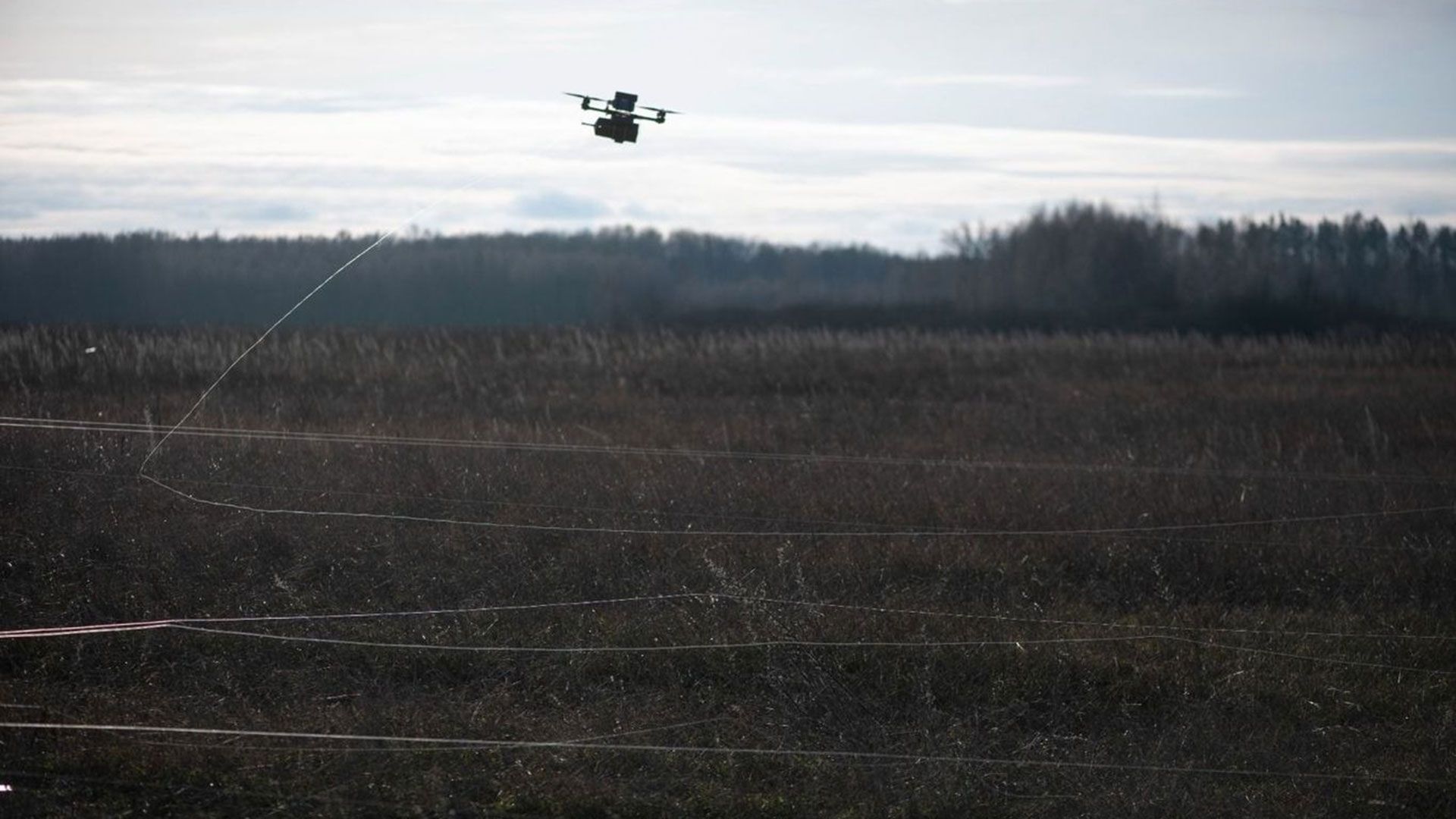
Ukraine uses rotating barbed wire to stop Russian drones
Signals:
- →Low-tech rotating barbed wire effectively counters fiber-optic tethered drones striking targets 25+ miles away.
- →Simple defensive solutions can neutralize sophisticated drone warfare technology at minimal cost.
- →Demonstrates asymmetric warfare innovation where inexpensive countermeasures defeat expensive attack systems.

China's LY-1 naval laser claims superiority over US Helios system
Interesting Engineering·30 September 2025·China claims its new naval laser outperforms powerful US Helios for drone defense - The article also claims that the Chinese laser weapon system has enough room to include more power units to ensure a bigger output.
Signals:
- →China's LY-1 laser weapon claims 180-250 kilowatt output, significantly exceeding US Navy's 60-kilowatt Helios system currently deployed.
- →Laser weapons provide cost-effective drone and missile defense, potentially reshaping naval warfare economics and defensive strategies.
- →China's technological claims remain unverified through independent testing, requiring careful assessment of actual versus stated capabilities.
Space

GM adapts EV battery tech for NASA's lunar rover
New Atlas·3 October 2025·Artemis lunar rover to feature GM's advanced battery tech - Discover how GM's battery tech powers NASA's Artemis lunar rover, offering reliability and innovation for Moon exploration.
Signals:
- →NASA's Artemis V lunar rover requires batteries surviving extreme temperatures (-334°F) for 10-year missions starting 2030.
- →GM adapts commercial EV battery technology for space, demonstrating dual-use innovation potential and cost efficiency.
- →Three competing consortiums vie for NASA contract decision expected this year amid increased lunar exploration funding.
Crypto

Sanctioned Russian stablecoin A7A5 surges to $500M market cap
CoinTelegraph·6 October 2025·A7A5 Becomes Top Non-Dollar Stablecoin Amid Sanctions - A7A5, a Russian ruble-backed stablecoin issued in Kyrgyzstan, has emerged as the largest non-US dollar stablecoin despite facing multiple sanctions.
Signals:
- →Sanctioned Russian stablecoin A7A5 surged 250% to $500M, becoming largest non-dollar stablecoin despite restrictions.
- →Token linked to sanctioned entities bypasses Western financial sanctions through Kyrgyzstan, China, and African operations.
- →Growing regulatory loopholes enable sanctioned financial instruments at major industry events, raising compliance concerns.

Near Foundation developing AI 'digital twins' for DAO voting
CoinTelegraph·3 October 2025·Near Foundation Plans AI Delegates to Solve DAO Voter Apathy - The Near Foundation is developing AI delegates for its decentralized autonomous organization, aiming to address low voter participation.
Signals:
- →AI delegates could solve chronic low DAO voter participation (currently only 15-25% turnout rates).
- →Digital twins voting instantly transforms governance into automated math problem, enabling real-time decision-making.
- →Phased rollout from chatbots to individual delegates addresses governance centralization and potential attack vulnerabilities.

BoE governor signals softer stance on stablecoins
Financial Times·1 October 2025·Stablecoins could cut reliance on bank lending, BoE governor says - Andrew Bailey signals softening of stance towards digital tokens
Signals:
- →Bank of England governor signals regulatory shift, potentially enabling stablecoins to reshape financial system structure.
- →Stablecoin market could reach $4 trillion by 2030, requiring urgent policy decisions on regulation.
- →UK risks falling behind US and EU in stablecoin adoption without competitive regulatory framework.

Stripe launches tool to create stablecoins with minimal code
CoinTelegraph·1 October 2025·Stripe Tool Lets Companies Launch Custom Stablecoins - Payments firm Stripe has launched a new tool, Open Issuance, allowing any business to create its own stablecoin in “just a few lines of code.”
Signals:
- →Stripe's tool democratizes stablecoin creation, potentially disrupting traditional payment systems and financial services infrastructure.
- →$300B stablecoin market projected to reach $2T by 2028, creating massive business opportunities.
- →Major institutions (BlackRock, Fidelity) backing service signals mainstream financial sector's commitment to digital assets.

EU watchdog recommends ban on multi-issuance stablecoins
CoinTelegraph·30 September 2025·EU Watchdog Pushes for Stablecoin Ban: Report - The European Systemic Risk Board is reportedly pressing for authorities to ban multi-issuance stablecoins, citing concerns about financial stability.
Signals:
- →EU watchdog recommends banning multi-jurisdiction stablecoins, potentially restricting major issuers like Circle and Paxos.
- →Move signals regulatory pressure on dollar-pegged stablecoins ahead of potential digital euro launch by 2029.
- →Non-binding recommendation could influence EU authorities to tighten crypto regulations and financial stability controls.

Chainlink and Swift enable onchain fund transactions via banking rails
CoinTelegraph·30 September 2025·Chainlink Integrates with SWIFT to Let Funds Process Transactions Onchain - UBS and Chainlink used SWIFT messages to execute fund transactions, showing banks can link to blockchains without changing existing systems.
Signals:
- →Banks can now execute blockchain transactions using existing Swift infrastructure, reducing implementation barriers.
- →Tokenized fund workflows integrate with traditional payment systems, streamlining costly multi-intermediary processes.
- →Swift's blockchain evolution connects $147 trillion assets under management to onchain capabilities.

European banks' euro stablecoin could destabilize eurozone economy
Phys.org·30 September 2025·The Euro 'stablecoin': How this new crypto venture could threaten the Eurozone's already fragile economy - On 25 September 2025, it was announced that 9 European banks, including UniCredit, ING and CaixaBank, have launched a consortium to issue a euro stablecoin—a cryptocurrency with a value pegged to the euro.
Signals:
- →Nine European banks launching euro stablecoin could destabilize eurozone economy during financial crises.
- →Bank-issued stablecoins amplify market crashes by spreading losses beyond original asset holders.
- →ECB-backed digital euro offers safer alternative than private bank stablecoins for transactions.
Energy

Scientists create world's first rechargeable hydride ion battery
 SciTechDaily·1 October 2025·Scientists Develop the World’s First Rechargeable Hydride Ion Battery - Scientists have built the first rechargeable hydride ion battery. Hydride ions (H⁻) have drawn interest as potential charge carriers for future electrochemical devices because of their extremely low mass and high redox potential. Yet, progress has been limited since no electrolyte has been able to
Signals:
- →First rechargeable hydride ion battery enables safer energy storage without dendrite formation risks.
- →Room-temperature operation with high capacity (984 mAh/g) demonstrates practical viability for applications.
- →Novel core-shell electrolyte breakthrough overcomes previous technical barriers to commercialization.

UAE pioneers geothermal cooling to slash air conditioning demand
 CleanTechnica·3 October 2025·Underground Heat, Urban Cool: The Physics & Promise of Geothermal Cooling - CleanTechnica - Hot water makes cold air in Masdar City. ADNOC’s geothermal cooling plant uses aquifer heat and absorption chillers to reduce grid demand in the Gulf.
Signals:
- →Geothermal cooling cuts electricity demand by 70% in regions where AC dominates grid consumption.
- →Direct thermal applications prove more economically viable than electricity generation for moderate-temperature geothermal resources.
- →Reinjection-based systems offer decades of sustainable cooling without adding peak demand to electrical grids.
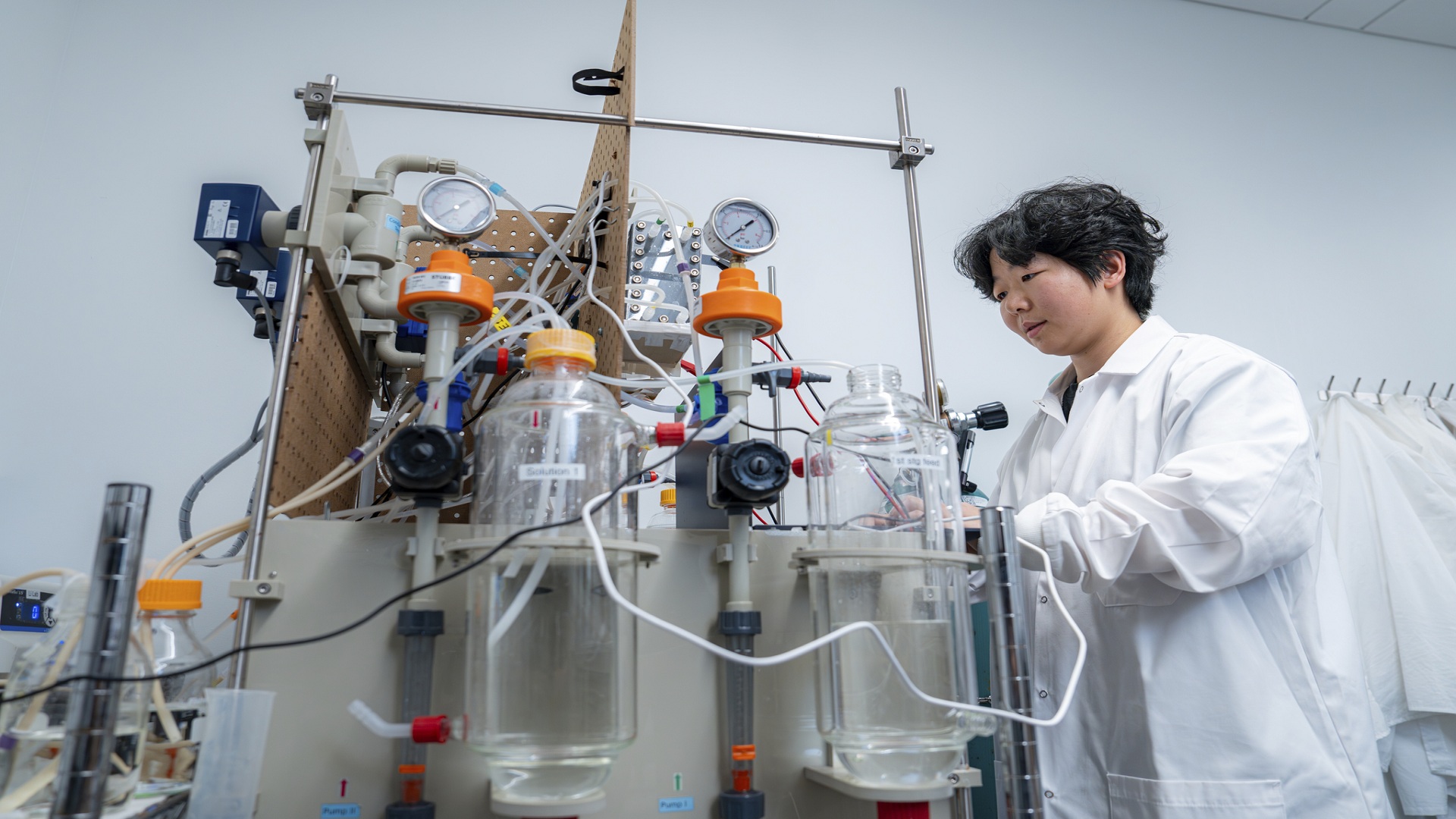
Rice University creates membrane to filter lithium faster and cleaner
Interesting Engineering·2 October 2025·Membrane extracts lithium from brines faster, cleaner for batteries - Rice University scientists unveil a new lithium-filtering membrane that speeds extraction and cuts environmental impact.
Signals:
- →New membrane enables faster, cleaner lithium extraction with significantly lower energy consumption than current methods.
- →Technology addresses critical battery supply chain bottleneck while reducing environmental impact and water usage.
- →Scalable design adaptable for extracting other strategic minerals like cobalt and nickel from waste streams.

China's BEST fusion project installs massive 400-ton cryostat base
Panda Daily·2 October 2025·China's BEST Fusion Project Achieves Major Breakthrough - Pandaily - On October 1, 2025, China’s fusion energy experiment project, BEST (Beijing Experimental Superconducting Tokamak), reached a significant milestone in its develo...
Signals:
- →China's BEST fusion project could achieve world's first fusion power generation by 2030.
- →Successful installation of 400-ton cryostat base marks critical construction milestone for commercial fusion energy.
- →Advanced tokamak technology breakthrough positions China as potential leader in clean energy revolution.

Organic molecule breakthrough promises single-material solar panels
TechXplore·1 October 2025·Organic semiconductor molecule set to transform solar energy harvesting - In a discovery that bridges a century of physics, scientists have observed a phenomenon, once thought to be the domain of inorganic metal oxides, thriving within a glowing organic semiconductor molecule. This work, led by ...
Signals:
- →Single-material solar cells could dramatically reduce manufacturing costs and weight compared to current multi-material designs.
- →Near-unity charge collection efficiency means almost every photon converts to usable electricity, maximizing energy output.
- →Breakthrough eliminates need for donor-acceptor material interfaces, simplifying production and improving overall solar panel efficiency.
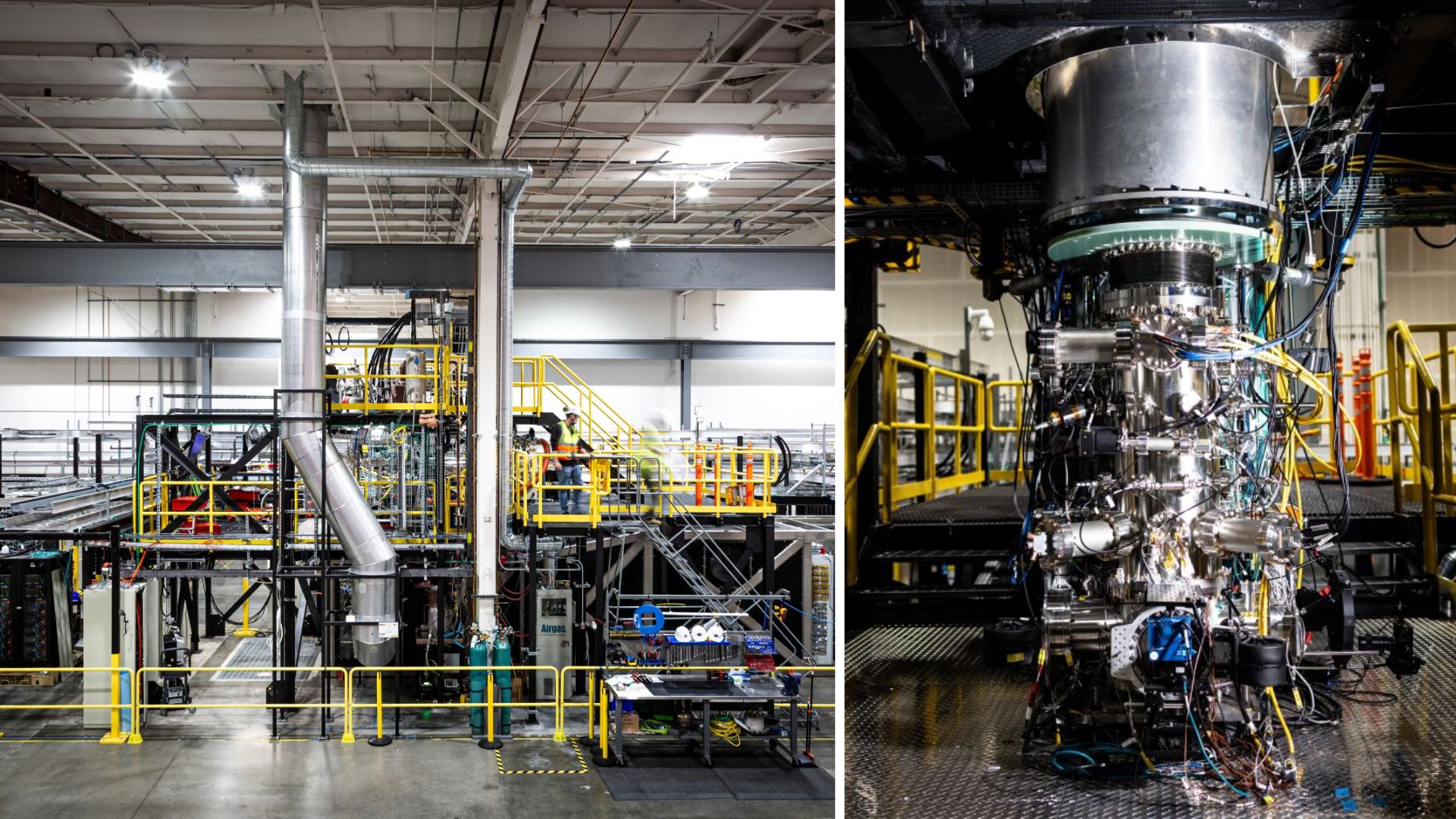
Zap Energy's fusion platform achieves 20x power boost
Interesting Engineering·1 October 2025·Zap Energy fusion test platform sets internal record in plasma shots - Zap Energy's Century test platform is solving critical challenges for fusion power plants with its unique Z-pinch technology.
Signals:
- →Zap Energy achieved 20x power increase, demonstrating commercial fusion viability without expensive superconducting magnets or lasers.
- →Platform successfully integrated critical power plant subsystems, identifying and solving key commercial technology challenges for deployment.
- →Sustained operations and DOE certification validate scalable fusion approach, advancing timeline for practical clean energy generation.

MIT boosts concrete battery capacity tenfold for energy storage
New Atlas·2 October 2025·Concrete supercapacitors could power homes efficiently - MIT's ec3 concrete stores energy, powering homes with less space, paving the way for innovative, sustainable building materials.
Signals:
- →Concrete supercapacitors now store 10x more energy, enabling building-scale energy storage infrastructure.
- →Technology addresses critical clean energy storage needs for intermittent solar and wind power.
- →Self-monitoring capability could revolutionize structural health assessment in real-time for infrastructure.
Transport

Chinese-made C909 jet debuts on international route from Shenzhen
Panda Daily·5 October 2025·Chinese-Made Jet C909 Debuts in Shenzhen for International Flight - Pandaily - Shenzhen Airport witnessed the first appearance of China's homegrown C909 jet on the evening of October 2, with the aircraft operating its maiden international ...
Signals:
- →China's C909 jet achieves first international route from Shenzhen, advancing global aviation competitiveness.
- →Indonesian carrier adoption demonstrates growing international acceptance of Chinese commercial aircraft manufacturing.
- →Expanded Chinese aircraft operations create new geopolitical dynamics in global aerospace supply chains.

Archer's Midnight eVTOL reaches 7,000 feet in record test flight
Signals:
- →Archer's Midnight eVTOL reached 7,000 feet altitude, enabling operations in high-rise cities and mountainous regions.
- →Aircraft nearing FAA certification and commercial deployment in UAE, signaling imminent urban air mobility market.
- →Electric air taxis offer quieter, cleaner alternative to helicopters with smaller infrastructure footprint for cities.
3D Printing

Researchers develop binder-free method for 3D printing glass
TechXplore·30 September 2025·Light-triggered process lets 3D printers create custom glass structures without glue or high temperatures - Researchers have developed the first binder-free method for 3D printing glass, using light to trigger a chemical reaction that directly forms silica structures without the need for organic additives or extreme heat. This ...
Signals:
- →Eliminates costly binders and high-temperature processing, reducing manufacturing costs and energy consumption significantly.
- →Enables production of previously impossible custom glass components for optics, medical devices, and telecommunications infrastructure.
- →Compatible with standard 3D printers, allowing rapid commercial adoption and scalable manufacturing capabilities.

KAIST develops AI-powered 3D printing for stronger, cheaper parts
TechXplore·30 September 2025·3D printing becomes stronger and more economical with light and AI - Photocurable 3D printing, widely used for everything from dental treatments to complex prototype manufacturing, is fast and precise but has the limitation of being fragile and easily broken by impact. A KAIST research team ...
Signals:
- →New 3D printing technology eliminates durability weaknesses while significantly reducing production costs through single-material processing.
- →AI-driven design enables customized strength distribution, accelerating product development timelines across medical and industrial applications.
- →Technology replaces expensive multi-material printing, offering same performance at lower cost for implants and precision parts.
Construction Tech

Smart fabric embedded in roads monitors asphalt condition
New Atlas·5 October 2025·Smart fabric monitors road conditions in real time - Innovative fabric with sensors tracks asphalt health, aiding road maintenance and forecasting damage progression over time.
Signals:
- →Enables continuous road monitoring without closures, reducing maintenance costs and traffic disruptions.
- →Provides predictive data on infrastructure deterioration, allowing better budget planning and resource allocation.
- →Replaces destructive sampling with real-time condition assessment across entire road sections.
Quantum Tech
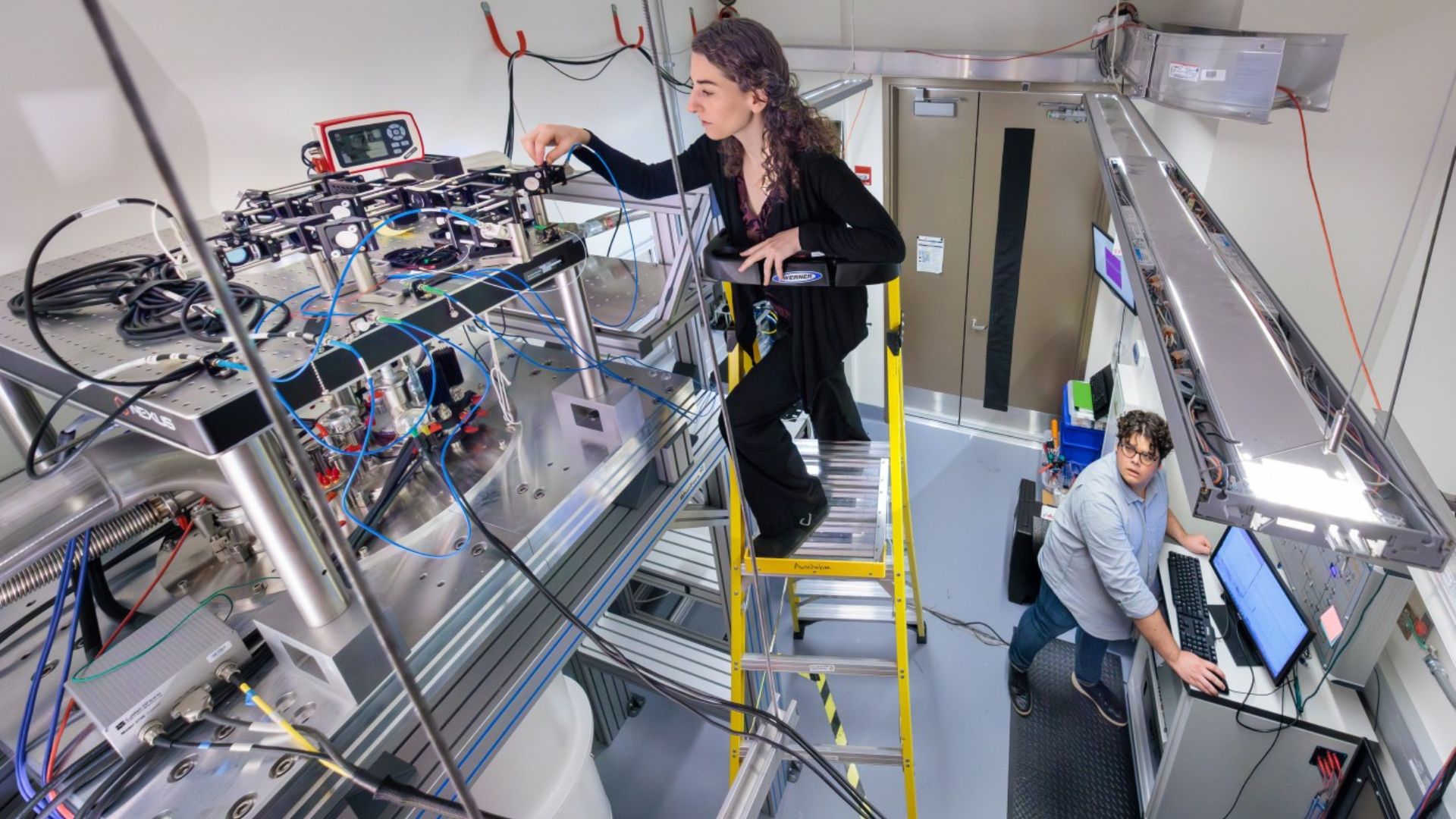
New molecular qubits operate at telecom frequencies for quantum internet
Interesting Engineering·2 October 2025·New qubits operate at telecom frequencies, expand quantum potential - New erbium molecular qubits work with telecom systems and silicon photonics, opening routes to quantum networks, sensors, and hybrid devices.
Signals:
- →Molecular qubits operate at telecom frequencies, enabling direct integration with existing fiber-optic infrastructure.
- →Bridges magnetism and light, solving key technical barrier for scalable quantum networks and secure communication.
- →Chemical flexibility allows deployment in diverse environments including biological systems and silicon chips.

Molecular qubits bridge light and magnetism at telecom frequencies
Phys.org·2 October 2025·Molecular qubits can communicate at telecom frequencies - A team of scientists from the University of Chicago, the University of California Berkeley, Argonne National Laboratory, and Lawrence Berkeley National Laboratory has developed molecular qubits that bridge the gap between light and magnetism—and operate at the same frequencies as telecommunications technology. The advance, published today in Science, establishes a promising new building block for scalable quantum technologies that can integrate seamlessly with existing fiber-optic networks.
Signals:
- →Molecular qubits operate at telecom frequencies, enabling direct integration with existing fiber-optic infrastructure.
- →Technology bridges quantum computing with current telecommunications, accelerating practical quantum network deployment timelines.
- →Compatible with silicon photonics, allowing cost-effective scaling and embedding in biological systems for sensing.

Extreme pressure brings scientists closer to quantum spin liquid
Phys.org·1 October 2025·Extreme pressure pushes honeycomb crystal toward quantum spin liquid, hinting at new qubit designs - The future of computing lies in the surprising world of quantum physics, where the rules are much different from the ones that power today's devices. Quantum computers promise to tackle problems too complex for even the fastest supercomputers running on silicon chips. To make this vision real, scientists around the world are searching for new quantum materials with unusual, almost otherworldly properties.
Signals:
- →Breakthrough in quantum computing materials could enable more stable, fault-tolerant qubits for next-generation processors.
- →Extreme pressure technique successfully approaches quantum spin liquid state, previously considered nearly impossible to achieve.
- →U.S. facility upgrade enables investigation at five times higher pressures, accelerating quantum technology development.
Harvard Researchers Develop First Ever Continuously Operating Quantum Computer | News | The Harvard Crimson
A team of Harvard physicists built the first-ever quantum computing machine that can operate continuously without restarting, achieving a major breakthrough in a field that could revolutionize everything from medical research to finance.
BCIs and Neuro Tech

Cognixion tests noninvasive brain-computer interface with Apple Vision Pro
Signals:
- →Non-invasive brain-computer interface enables paralyzed patients to communicate, avoiding surgical risks of competitors like Neuralink.
- →Integration with Apple Vision Pro could democratize BCI technology access through existing consumer hardware platform.
- →AI-powered system achieves near-normal conversation speeds, potentially faster regulatory approval than invasive alternatives.
Machine learning reads mice minds through facial expressions
Interesting Engineering·30 September 2025·Machine learning enables 'mind reading' in mice using facial cues - Machine learning linked facial cues to brain activity in mice, offering a non-invasive way to decode thought strategies.
Signals:
- →Facial video analysis can reveal internal thought processes as accurately as invasive neural recording methods.
- →Non-invasive brain activity monitoring could revolutionize neuroscience research and medical diagnostics cost-effectively.
- →Technology raises urgent mental privacy concerns requiring immediate regulatory frameworks before widespread deployment.

Lab-built neuron operates at body's voltage using protein nanowires
Interesting Engineering·30 September 2025·New lab-built neuron achieves brain-like function at only 0.1 volts - UMass Amherst engineers create low-voltage artificial neurons using bacterial nanowires, promising efficient bio-inspired computing.
Signals:
- →Artificial neurons operating at biological voltage (0.1V) enable direct integration with human cells for medical devices.
- →Energy efficiency matches human brain (20W vs 1MW for AI), drastically reducing computing power requirements.
- →Breakthrough enables bio-inspired computers and eliminates amplification steps in wearable medical sensors, reducing complexity and cost.

Engineers develop low-voltage artificial neurons using bacterial protein nanowires
TechXplore·30 September 2025·Engineers create first artificial neurons that could directly communicate with living cells - A team of engineers at the University of Massachusetts Amherst has announced the creation of an artificial neuron with electrical functions that closely mirror those of biological ones. Building on their previous work using ...
Signals:
- →Artificial neurons operate at biological voltage levels, enabling direct interface with living cells and tissues.
- →New technology uses 100x less power than previous artificial neurons, dramatically improving computational efficiency.
- →Applications include bio-integrated medical devices and energy-efficient computing systems mimicking brain function.

Artificial neuron mimics real brain cells in size and energy use
New Atlas·1 October 2025·Artificial neuron mimics real cells in size and function - Engineers have built an artificial neuron that mimics real ones in every detail, responding to signals and chemicals – a leap toward bio-integrated tech and medicine.
Signals:
- →Artificial neuron operates at biological voltage/power levels, enabling direct integration with living tissue without amplification.
- →Technology could revolutionize brain-machine interfaces, neural repair, and create ultra-efficient computing systems mimicking brain efficiency.
- →Real-time biological signal interpretation demonstrated with human heart cells, advancing practical medical monitoring and drug response applications.
Health Tech

AI-powered Glide device guides blind users through city streets
New Atlas·5 October 2025·AI-powered Glide device enhances mobility for the blind - Discover how the Glide device uses AI to guide blind users safely with verbal and haptic feedback, enhancing traditional white cane navigation.
Signals:
- →AI-powered mobility device addresses $1,499 accessibility market for visually impaired users.
- →Combines hardware innovation with recurring $30/month software revenue model.
- →Beta testing complete; commercial rollout planned for spring 2026.
Bio Tech
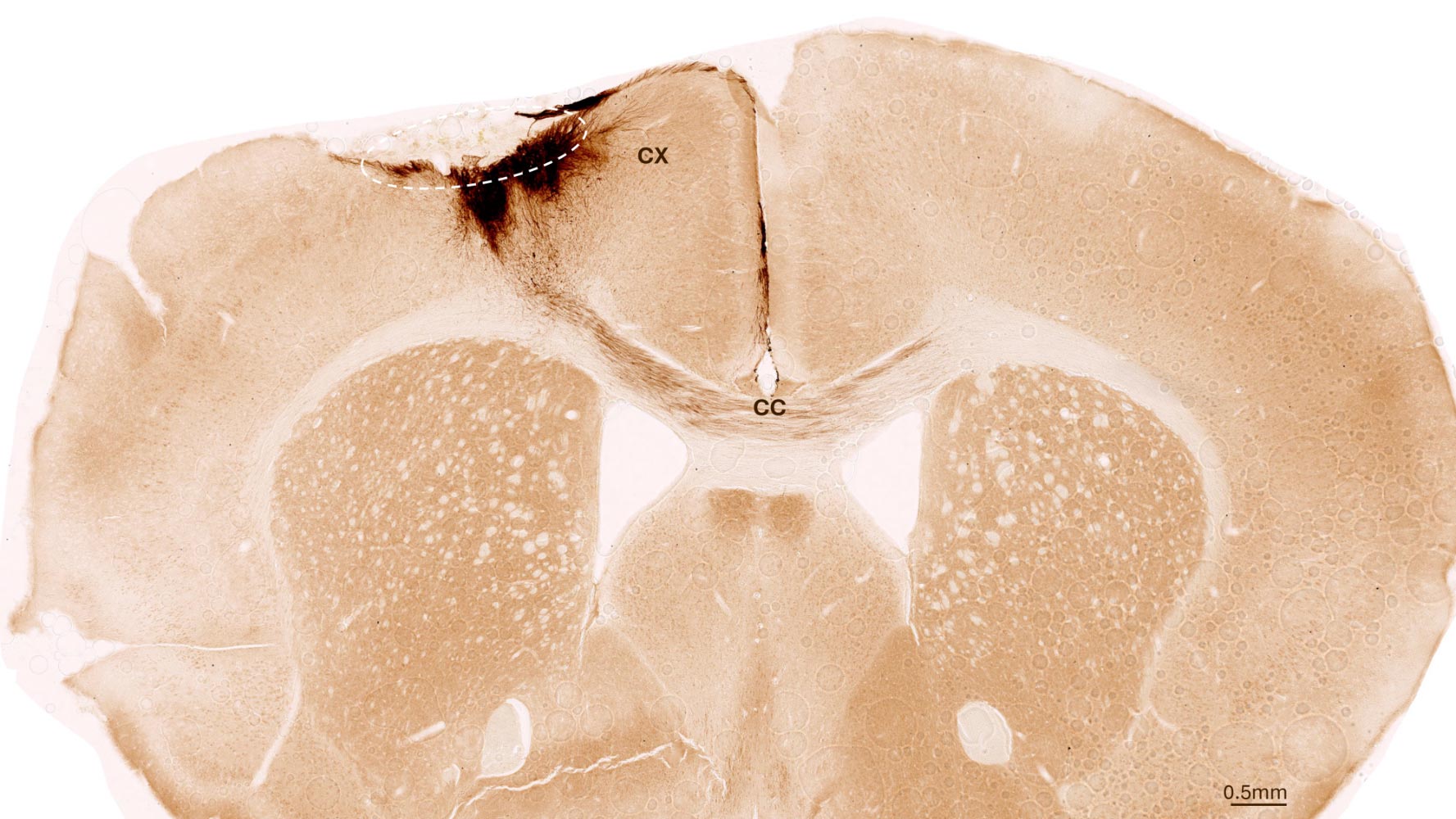
Stem cells reverse stroke damage and restore movement in mice
SciTechDaily·2 October 2025·Stroke Damage Reversed As Stem Cells Regrow the Brain - Stem cell therapy reversed stroke damage in mice, regenerating neurons and restoring movement.
Signals:
- →Stem cell therapy successfully reversed stroke damage in mice, regenerating neurons and restoring motor function after brain injury.
- →Clinical trials already underway for Parkinson's; stroke treatment could be next, offering hope for millions with permanent disabilities.
- →Delayed transplantation (one week post-stroke) proved more effective, providing practical implementation window for future human therapies.

mRNA vaccine could replace painful eye injections for AMD
Signals:
- →Novel intramuscular mRNA vaccine could replace frequent, invasive eye injections for 200 million AMD patients worldwide.
- →Treatment showed 85% reduction in retinal vessel leakage with safer, longer-lasting effects than current therapies.
- →First demonstration of mRNA vaccine suppressing pathological blood vessel growth, expanding platform beyond infectious diseases.

Northwestern develops biomaterial that regenerates damaged joint cartilage

Signals:
- →New biomaterial successfully regenerates high-quality knee cartilage in large animals within six months.
- →Could prevent knee replacements and treat osteoarthritis, addressing major unmet clinical needs.
- →Produces durable hyaline cartilage versus inferior fibrocartilage from current surgical treatments.

Scientists create fertilizable human eggs from skin cells
Signals:
- →Breakthrough could enable infertile patients to produce genetic offspring using their own reprogrammed skin cells.
- →Low success rates and chromosomal abnormalities present significant safety concerns requiring extensive further research.
- →Technique raises complex ethical questions about laboratory egg creation demanding regulatory oversight and public consultation.

Genetically engineered stem cells reverse aging signs in monkeys
Signals:
- →Genetically engineered stem cells successfully reversed aging signs in primates, demonstrating potential human therapeutic applications.
- →Treatment improved cognition, reduced inflammation, and rejuvenated over 50% of analyzed tissues without serious adverse effects.
- →Technology addresses stem cell exhaustion, a root cause of aging, offering breakthrough approach to age-related disease prevention.
Environment Tech

University of Helsinki uses laser scanning to create forest digital twins
Phys.org·6 October 2025·Digital twin for forests developed with help of new laser scan technology - Scanning forests with lasers can provide three-dimensional models of forests, creating a unique way to look at these ecosystems. Researchers at the University of Helsinki are pioneers in applying this technical solution to measuring ecosystems.
Signals:
- →Terrestrial laser scanning enables 3D forest modeling for better ecosystem monitoring and disturbance assessment.
- →Technology supports sustainable forest management decisions by revealing impacts of logging and fragmentation.
- →Combines satellite data and machine learning to improve national forest monitoring and conservation strategies.

EnPhytoBox uses wetlands to treat contaminated water sustainably
Signals:
- →Decentralized nature-based treatment enables water reuse in remote locations without centralized infrastructure.
- →IoT monitoring and modular design allow scalable deployment across agriculture, mining, and municipal applications.
- →Low-carbon, zero-waste solution addresses ESG goals while creating local economic opportunities through water resilience.
Climate Tech

Swiss company unveils solar furnaces to recycle watch steel
Interesting Engineering·6 October 2025·World's first solar-powered furnaces unveiled to recycle luxury steel - A company in Switzerland has built solar-powered furnaces to recycle metal waste from the watchmaking industry using clean energy.
Signals:
- →Solar furnaces cut steel recycling emissions by 165 times versus conventional methods.
- →Technology enables profitable local manufacturing with renewable energy by 2028.
- →Reduces carbon footprint to 41 grams CO2 per kilogram of recycled steel.
Materials Science

China launches world's largest centrifuge generating 300 times Earth's gravity
Interesting Engineering·1 October 2025·China: World's largest centrifuge achieves 300 times Earth’s gravity - China has launched CHIEF1300, the world’s largest centrifuge, capable of generating 300 times Earth’s gravity for research.
Signals:
- →China's 300G centrifuge enables rapid simulation of century-long geological processes in days, accelerating critical infrastructure testing.
- →Facility supports strategic research in deep-sea energy extraction, earthquake resilience, and advanced materials for aerospace applications.
- →Open global collaboration model positions China as leader in hypergravity research, attracting international scientific partnerships.
MIT's AI-powered robot discovers breakthrough catalyst in 3 months
Signals:
- →AI-driven robotic platform discovered breakthrough catalyst with 9.3x cost-performance improvement in just 3 months.
- →Demonstrates scalable automation for materials discovery, reducing R&D time and costs significantly.
- →Multimodal AI approach enables real-time experimental monitoring and self-correction, accelerating innovation cycles.
⏳ Zeitgeist

China opens world's tallest bridge, soaring 2,000 feet high
Signals:
- →Bridge reduces travel time from hours to minutes, enabling faster economic development and connectivity.
- →Demonstrates China's infrastructure investment capabilities in challenging terrain and remote regions.
- →Creates new tourism revenue opportunities through unique high-altitude attractions and experiences.
Climate

Damaging wildfires quadruple since 1980s due to climate change
Phys.org·2 October 2025·Study shows the world is far more ablaze now with damaging fires than in the 1980s - Earth's nastiest and costliest wildfires are blazing four times more often now than they did in the 1980s because of human-caused climate change and people moving closer to wildlands, a new study found.
Signals:
- →Catastrophic wildfires causing major economic damage have quadrupled since the 1980s, averaging nine annually versus two previously.
- →Climate change creates extreme fire weather conditions, directly increasing likelihood of devastating fires in populated areas.
- →Current mitigation strategies are insufficient as frequency and intensity of disastrous fires continue accelerating globally.

Wildfire smoke deaths could surge 70% by 2050
Signals:
- →Wildfire smoke deaths could reach 71,420 annually by 2050, a 70% increase from current levels.
- →Economic costs may hit $608 billion yearly, exceeding all other climate-related damages combined.
- →Immediate carbon emission reductions are essential to prevent tens of thousands of preventable deaths.

Spain's heat-related deaths surge 88% amid record summer
Phys.org·2 October 2025·Heat-related deaths in Spain up 88% from last year: health ministry - The number of heat-related deaths in Spain between May 16 and September 30 hit 3,832, an 87.6% increase from the same period in 2024, the health ministry said Thursday.
Signals:
- →Heat-related deaths in Spain surged 88%, reaching 3,832 deaths in summer 2025.
- →Climate change drives record temperatures, with 33 heat wave days this summer.
- →Vulnerable populations face increasing mortality risk from extreme weather events globally.

Climate change threatens Panama Canal's critical water supply
Signals:
- →Panama Canal water levels could drop significantly by 2100 under high emissions scenarios, disrupting global maritime trade.
- →Drought probability at critical operational thresholds doubles by century's end, threatening supply chain reliability.
- →Lake Gatún supplies 55% of Panama's drinking water while operating canal, creating competing resource demands.

California braces for extreme wet-dry weather swings
Phys.org·1 October 2025·'Expect extremes': California officials warn of severe wet–dry swings - California heads into the new water year facing continued risks from climate-driven extremes, the California Department of Water Resources said.
Signals:
- →California faces "new normal" of extreme weather swings between severe storms and prolonged droughts due to climate change.
- →Federal staff cuts create critical gaps in water monitoring, forecasting, and flood management operations.
- →Groundwater stress persists despite above-average reservoir levels, with 27% of wells below average.

Earth's carbon cycle flaw could trigger unexpected ice ages
Interesting Engineering·1 October 2025·Carbon cycle flaw could plunge Earth into a 'milder' Ice Age: Study - The prevailing scientific view that Earth’s climate is gently regulated by the slow process of rock weathering has been challenged by a new study.
Signals:
- →Carbon burial feedback loop could trigger ice ages, creating extreme climate instability beyond current models.
- →Natural cooling mechanism won't activate fast enough to address current human-caused warming crisis.
- →Ancient climate volatility reveals potential for dramatic atmospheric CO2 drawdown through ocean processes.
Biodiversity

Jane Goodall, pioneering chimpanzee researcher, dies at 91
Phys.org·1 October 2025·World-renowned chimpanzee expert Jane Goodall dies at 91 - British primatologist Jane Goodall, who transformed the study of chimpanzees and became one of the world's most revered wildlife advocates, has died at the age of 91, her institute announced Wednesday.
Signals:
- →Loss of influential conservation voice affects global wildlife protection policy and funding priorities.
- →Goodall's death may impact ongoing chimpanzee research programs and international conservation initiatives.
- →Her passing creates leadership vacuum in environmental advocacy reaching 60+ countries through established programs.
Pollution

US court allows radioactive water release into Hudson River
Interesting Engineering·3 October 2025·US court ruling allows release of radioactive water into Hudson River - A federal court in the U.S. has favored Holtec International, which was defending its right to discharge the Indian Point plant’s nuclear waste into the Hudson River.
Signals:
- →Federal court overturns state law, allowing 45,000 gallons of radioactive wastewater into Hudson River.
- →Ruling undermines New York's environmental protections despite available decommissioning funds for safer disposal.
- →Sets precedent for federal preemption over state regulations in nuclear facility decommissioning decisions.
Health
China battles worst chikungunya outbreak with 4,000 infections
SciTechDaily·1 October 2025·What Is Chikungunya? The Virus Behind China’s Worst-Ever Outbreak - Southern China is battling its worst chikungunya outbreak on record, fueled by mosquitoes and changing environmental conditions.
Signals:
- →China faces largest chikungunya outbreak ever: over 4,000 infections since July, concentrated in Guangdong Province.
- →Climate change and urbanization expand mosquito-borne disease risks, requiring increased investment in surveillance and prevention.
- →WHO launches updated guidelines and Global Arbovirus Initiative, emphasizing need for international cooperation and coordinated response.
Geopolitics
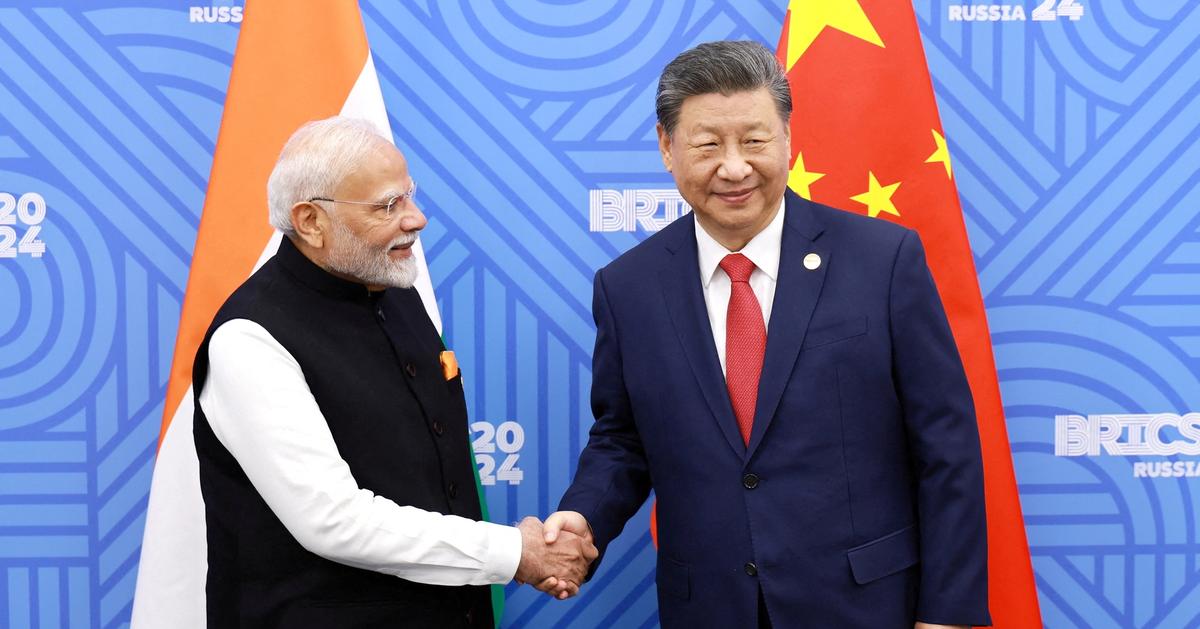
China and India resume direct flights after five years
Semafor·6 October 2025·China, India resume flights after five-year hiatus | Semafor - New Delhi said flights between Kolkata and Guangzhou would restart this month for the first time since border clashes in 2020.
Signals:
- →Resumption of China-India flights signals major geopolitical realignment between world's two most populous nations.
- →US tariffs pushing India away from Washington toward Beijing, reshaping global alliance structures.
- →Thawing relations could impact trade flows, supply chains, and regional security dynamics significantly.

China expands mock Taiwan government buildings for military training
Interesting Engineering·3 October 2025·China builds Taiwan capital replica to train troops for potential war - China has expanded mock replicas of Taiwan’s government buildings at a major military training base to prepare for a potential takeover.
Signals:
- →China's training facility tripled in size since 2020, indicating accelerated military preparation for Taiwan invasion scenarios.
- →Mock replicas include presidential palace and government buildings, suggesting plans for targeted "decapitation operations" against Taiwan's leadership.
- →Satellite evidence shows active brigade-level combat drills, demonstrating China's shift from theoretical planning to practical invasion rehearsals.

Venezuela detects US fighter jets near Caribbean coast
Semafor·3 October 2025·Venezuela slams US ‘provocation’ after fighter jets detected | Semafor - Washington recently struck alleged drug trafficking boats off the coast of Venezuela.
Signals:
- →US military activity near Venezuela escalates tensions, risking regional instability and potential conflict.
- →Venezuelan leadership fears regime change attempt, complicating diplomatic and strategic calculations.
- →Military intervention unlikely to achieve democratic goals, requiring alternative policy approaches.

Munich airport closes after drone sightings disrupt flights
Financial Times·3 October 2025·Munich airport forced to close after drone sightings - More than 30 flights had to be diverted or cancelled in latest incident involving unidentified aircraft in European airspace
Signals:
- →Critical infrastructure vulnerability exposed: European airports and military sites face systematic drone threats.
- →Potential state-actor involvement: Incidents linked to Russia's destabilization efforts against NATO members.
- →Immediate operational impact: Thousands of passengers affected, highlighting need for enhanced airspace security measures.

Morocco's Gen Z protests over World Cup spending turn deadly
Semafor·2 October 2025·Deadly ‘Gen Z’ protests over government spending rock Morocco | Semafor - The demonstrations mirror recent youth-led protests in Nepal and Madagascar that have forced rulers to resign.
Signals:
- →Gen Z protests are toppling governments globally, creating unprecedented political instability risks.
- →Morocco's authoritarian stability is cracking under pressure from youth demanding social services over prestige projects.
- →World Cup infrastructure spending is triggering deadly unrest, questioning priorities in developing nations.

Trump signs NATO-like security guarantee with Qatar
Semafor·2 October 2025·Trump makes NATO-like security pledge to Qatar | Semafor - While the order isn’t legally binding, Republicans critical of Qatar might still have questions.
Signals:
- →Trump bypassed Congress to establish unprecedented U.S. military commitment to Qatar.
- →Agreement mirrors NATO Article 5 protections without Senate approval or legal binding force.
- →Policy contradicts America First doctrine, potentially triggering Republican congressional opposition.

Gen Z protests spread across Madagascar, Nepal, and Morocco
Semafor·1 October 2025·Madagascar’s youth-led protests intensify | Semafor - Protesters are demanding an end to repeated water and power cuts that have further weakened an already fragile economy.
Signals:
- →Youth-led protests spreading globally, threatening government stability in multiple nations simultaneously.
- →Infrastructure failures triggering mass unrest, signaling potential for broader economic and political instability.
- →Government dissolution failing to appease protesters, indicating traditional crisis management approaches losing effectiveness.

India plans mega-dam to counter China's upstream water control
Phys.org·30 September 2025·India plans mega-dam to counter China water fears - On a football field ringed by misty mountains, the air rang with fiery speeches as tribesmen protested a planned mega-dam—India's latest move in its contest with China over Himalayan water.
Signals:
- →India's mega-dam aims to counter China's upstream water control capabilities and prevent potential weaponization of water flows.
- →Project addresses national security concerns but faces fierce local resistance from indigenous Adi communities facing displacement.
- →Geopolitical water competition between nuclear powers could escalate tensions in disputed Himalayan border regions.
🌊💩Flooded zone

US national debt nears $38 trillion, investors turn to Bitcoin
CoinTelegraph·6 October 2025·US National Debt Nears $38 Trillion, Rising $6 Billion Daily - The US debt is edging toward $38 trillion, rising $4.2 million every minute, reinforcing Bitcoin’s case as a hedge against economic turmoil.
Signals:
- →US national debt approaching $38 trillion, growing $6 billion daily, threatening economic stability and dollar confidence.
- →Institutional investors increasingly view Bitcoin and gold as hedges against currency debasement and mounting debt.
- →Global debt crisis extends beyond US to $337.7 trillion worldwide, signaling systemic financial risks.
🧠Mind expanding

RAND's Jeff Alstott on how facts shape AI policy
Signals:
- →AI companions could become critical vulnerability vectors for intelligence operations and influence campaigns against leaders and populations.
- →Energy infrastructure constraints may determine whether US maintains 75% share of global frontier AI computing power.
- →Automated AI-augmented decision-making will create competitive advantages for executives and politicians who adopt it earliest.
Micro-attacks demand structural preventative peace, not endless defense
Signals:
- →Micro-attacks now cost nearly nothing to execute but exponentially more to defend against, creating unsustainable security spending.
- →Traditional defense-focused strategies will bankrupt societies; only addressing root causes of violence (alienation, inequality) scales economically.
- →Civilization survival requires shifting from endless securitization to structural peace through inclusion, trust, and shared system ownership.

Network states need to solve public goods and sovereignty conflicts
Signals:
- →Network states face critical public goods problems—infrastructure, defense, and services require traditional state funding and cooperation.
- →Privileged sovereignty for network state members creates inevitable conflict with traditional nation-states and local populations.
- →Original concept is parasitic on existing states; needs modification to offer mutual benefits and avoid violent rejection.
💭Meme stream
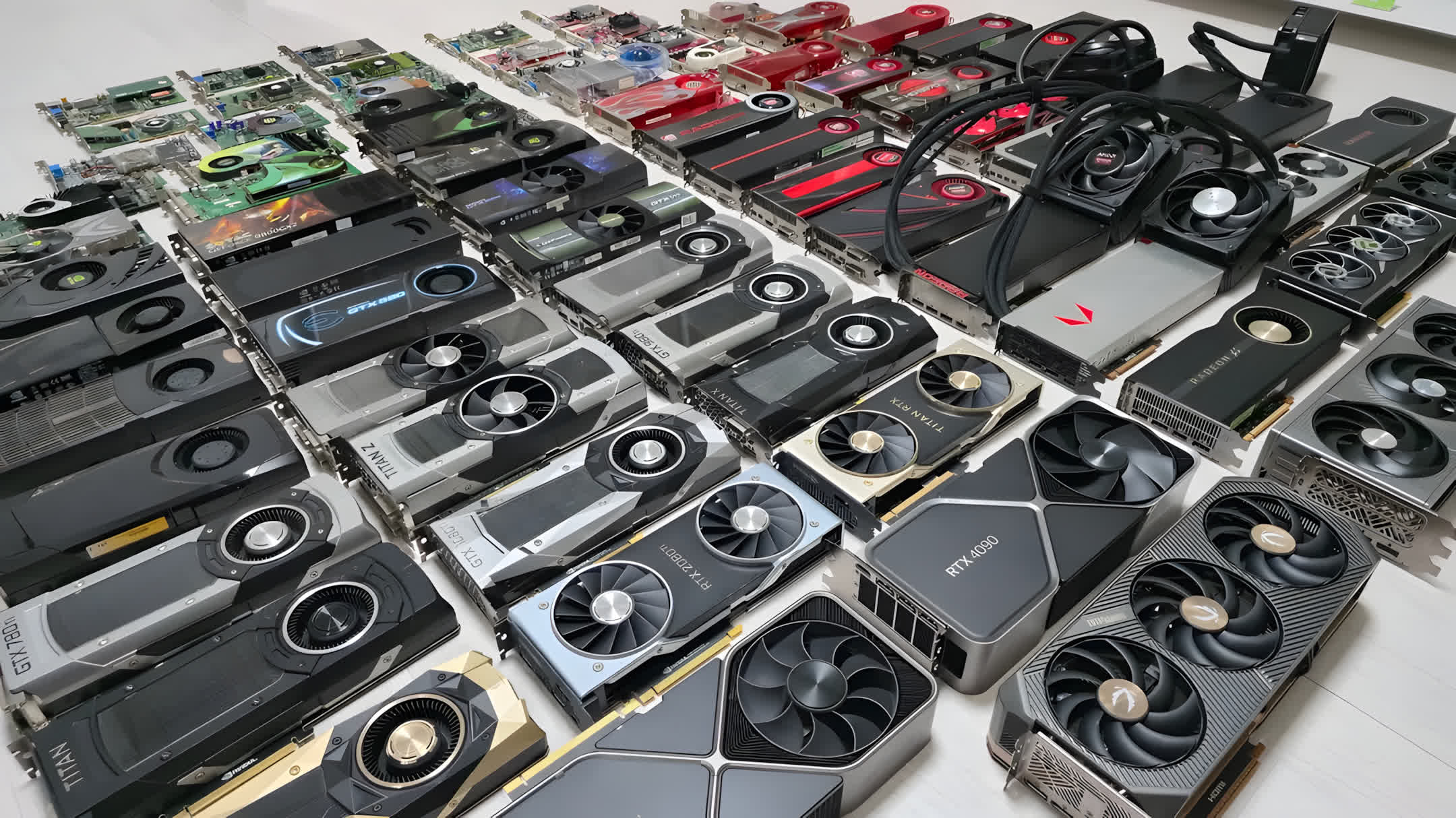
Collector assembles 30-year timeline of flagship Nvidia and AMD GPUs
Signals:
- →Demonstrates 30-year GPU evolution from NV1 to RTX 5090, illustrating rapid technological advancement cycles.
- →Collection valued under $10,000 shows accessible market for legacy hardware procurement and preservation.
- →Highlights consumer attachment to hardware generations, informing product lifecycle and nostalgia-driven marketing strategies.

Examining dubious charts and data behind AI bubble claims
Financial Times·1 October 2025·An AI chart crime compendium - Looks like everyone’s been doing lines
Signals:
- →AI infrastructure spending projected to reach $2.8 trillion by 2029, requiring unprecedented capital allocation decisions.
- →Power demands for AI compute may hit 200GW by 2030, creating $800 billion annual funding gap.
- →Search interest in "AI bubble" peaked in August, potentially signaling shift in market sentiment and risk perception.